PERTH, Australia – Neuroscience technology company Cogstate Ltd. and Japanese pharmaceutical company Eisai Co. Ltd. signed a deal under which Eisai will have global development rights and exclusive commercialization rights of all cognitive function tests developed by Cogstate, including the Cogstate Brief Battery (CBB) for use in health care and other markets.
LONDON – Three large scale population surveys conducted between late June and the end of September have shown the prevalence of SARS-CoV-2 antibodies in England declined by 26.5% over three months. The findings rest on the results of more than 350,000 self-administered lateral flow blood tests that were carried out at home by volunteers who were randomly selected from general practitioner registers.
PERTH, Australia – During the COVID-19 pandemic, 90% of Australia’s clinical trials were put on hold, and the market cap of biotech and medical device companies on the Australian Securities Exchange dropped 5% to AU$11 billion (US$7.78 billion), according to a recent report by Australia’s Medical Technologies and Pharmaceuticals Industry Growth Centre.
Intervenn Biosciences said it has identified stark differences in the glycoproteomic profile of COVID-19 patients who became very sick and people infected with the SARS-CoV-2 virus who were either asymptomatic or experienced only minimal effects. The contrast could help clinicians better understand the biological mechanisms of the disease and triage patients at risk of responding detrimentally to early treatments and more intensive care.
HONG KONG – Novartis AG was cited during the recent 2020 KoNECT-MOHW-MFDS International Conference as an example of a biopharma firm staying ahead of the artificial intelligence curve. During this week’s 2020 Bioplus Interphex Korea conference, Won Kim, head of innovation at Novartis Korea, described some of the firm’s latest forays into AI, including negotiations with potential partners to develop an AI image analysis solution for retinal diseases.
PERTH, Australia – Melbourne-based Telix Pharmaceuticals Ltd. has submitted its first new drug application to the FDA for TLX591-CDx, a radiopharmaceutical targeting prostate-specific membrane antigen (PSMA) for imaging prostate cancer using positron emission tomography (PET).
Two studies seek to answer the most pressing question for physicians examining a patient with COVID-19: What's this person's risk of death? Mount Sinai researchers presented their clinical prediction model in The Lancet Digital Health and a team from Johns Hopkins published their risk calculator in the Annals of Internal Medicine.
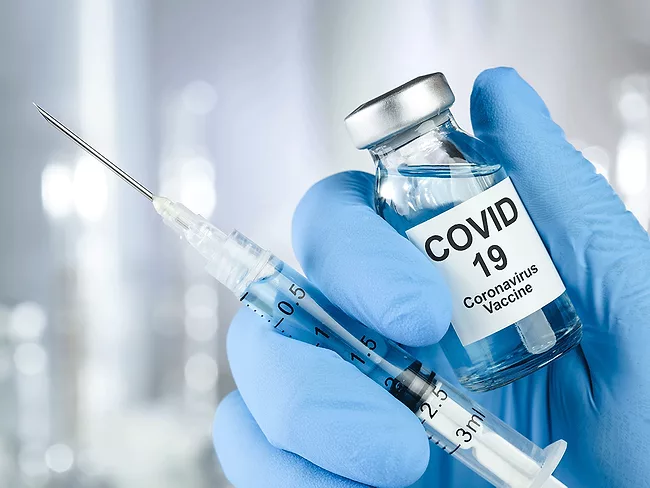
Before authorizing or licensing any COVID-19 vaccine, the U.S. FDA will hold a public advisory committee meeting on that vaccine, FDA Commissioner Stephen Hahn said at a Sept. 23 hearing before the Senate Health, Education, Labor and Pensions Committee.
Following days of speculation, Illumina Inc. said today it will acquire liquid biopsy startup Grail Inc. for $8 billion in cash and stock, bringing back into the fold a company it spun out in 2016. The deal gives Illumina a major stake in the race the race to develop a less-invasive way to diagnose cancer. Since spinning out, Grail has raised nearly $2 billion from big-name investors with promises of a blood test for early cancer detection and is hoping to introduce its liquid biopsy as a laboratory-developed test (LTD) as early as next year.
What’s the plan? The U.S. CDC is being asked that question a lot these days – not just about COVID-19, but also about preparing for what could be a tough influenza season as flu bugs circulate with the coronavirus.
 RSS
RSS