The BioWorld Artificial Intelligence price-weighted index, which includes biopharmaceutical companies, medical devices and health care services companies, has climbed in value and is currently up almost 37% year-to-date.
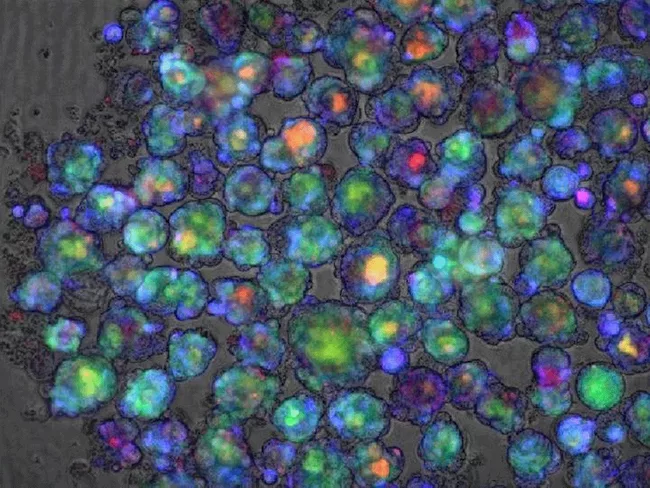
According to the National Institute of Diabetes and Digestive and Kidney Diseases (NIDDK), drug-induced liver injury (DILI) is the leading cause of acute liver failure in the U.S. It is also a leading cause of drug failure in clinical trials. Now, researchers have used liver organoids to develop a polygenic risk score that could predict the risk of liver toxicity for multiple different drugs, regardless of the underlying mechanism.
As 2020 approaches its last quarter, scientists around the globe continue their all-consuming efforts to find effective therapeutics and vaccines to fight the deadly COVID-19 pandemic, which currently has a 3.35% fatality rate and has been plaguing the world for more than half a year. While the fight rages on, people are growing weary of political posturing and community debates. They face a serious conundrum of how to best protect those vulnerable to the virus, while still considering the psychological and economic impacts of societal lockdowns.
The idea of patent pools such as the COVID-19 Technology Access Pool (C-TAP) created by the World Health Organization a few months ago has drawn a lot of support from low- and middle-income countries and a handful of wealthier ones, but not so much from industry.
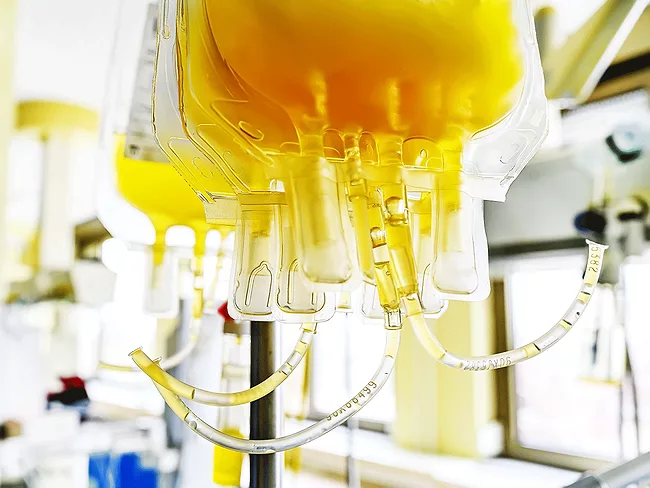
As of Aug. 13, more than 90,000 patients hospitalized in the U.S. with COVID-19 already had been given access to convalescent plasma through a national expanded use protocol (EAP) sponsored by the Mayo Clinic. The FDA’s decision Sunday to grant emergency use authorization (EUA) for the potential therapy will further expand access to convalescent plasma for hospitalized patients throughout the country at a time when fully approved COVID-19 treatments are nonexistent and even EUAs are few and far between.
Through the use of sequencing data, researchers in Hong Kong presented a case study providing the strongest evidence yet that individuals can become reinfected with SARS-CoV-2 after clearing a first infection.
Avoiding the political overtones that seem to be more viral than COVID-19 these days, Anand Shah, deputy commissioner for medical and scientific affairs at the FDA, stressed that even though the agency is making decisions in real time in response to the urgency of the pandemic in the U.S., its decisions are being driven by scientific integrity, regulatory independence and the FDA’s historic commitment to ensuring the safety and efficacy of the products it regulates.
Immunoscape Ltd. closed an $11 million global equity financing round led by U.S.-based venture firm Anzu Partners along with University of Tokyo Edge Capital in Japan, and Indonesia's NPR Holdings. The company plans to use the funds to ramp up its immune profiling technology platform, which performs deep T-cell analysis, and expand partnerships to develop vaccines for COVID-19 and other viruses as well as targeted oncology therapies.
Investigators have developed a new approach to classifying neurodegenerative disorders that used the overall patterns of protein aggregation, rather than specific proteins, to define six clusters of patients that crossed traditional diagnostic categories.
Six months to the day that the World Health Organization (WHO) declared it a public health emergency, the SARS-CoV-2 virus, with its hideous red spikes, continues to taunt the world, hopping from host to host and haunting humans, many of whom wonder the same thing: What’s next?
 RSS
RSS