There will be lessons learned aplenty when the COVID-19 pandemic finally breaks, including how serological and molecular testing can be used to maximum effect to corral a future pandemic. Carmen Wiley, president of the American Association of Clinical Chemistry, told BioWorld that the existing instrument types are up to the job, but that surge capacity is needed, and that it is not clear how the cost of that capacity will be handled.
The stimulus bill passed by the U.S. Senate March 26 on a vote of 96-0 does more than throw $2.2 trillion into the war against COVID-19. “This is not … a stimulus package. It is emergency relief,” Senate Majority Leader Mitch McConnell (R-Ky.) said on the Senate floor before the vote.
The pressure is rising on the Trump administration to activate the Defense Production Act (DPA) for the COVID-19 outbreak as the Senate yet again reconsiders an economic stimulus package. Sens. Brian Schatz (D-Hawaii) and Chris Murphy (D-Conn.) unveiled the Medical Supply Chain Emergency Act in an effort to force the White House to mandate the production of needed supplies, a bill that is likely to languish until Congress can move on economic relief legislation.
Business as usual only three months ago has transformed into health care industry overdrive as biopharma and med-tech companies scramble to test and scale-up treatments, vaccines and diagnostics to address COVID-19.
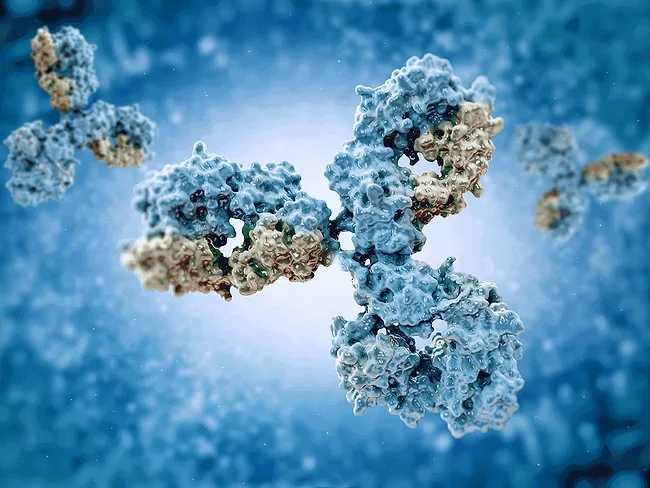
HONG KONG – Korean biopharma Celltrion Inc. said it’s halfway through the process of creating a super antibody to reign in the COVID-19 novel coronavirus that has claimed almost 13,000 lives globally.
LONDON – As the epicenter of the COVID-19 epidemic shifted to Europe and the number of deaths in Italy exceeded the toll in China, the EU stepped up efforts to mount a coordinated response, with a big boost for collaborative R&D funding and a call for clinical research to be pooled in multicenter, multi-arm randomized controlled trials.
The U.S. capacity for SARS-CoV-2 testing is limited by several items, including the swabs used to collect patient specimens, but the supply of reagents has been front and center recently. Despite those concerns, several private test makers said they are quickly ramping up production, including Thermo Fisher Scientific Inc., of Waltham, Mass., which said it has enough supplies of all types on hand to provide 2 million reactions per week, a volume that should increase to 5 million per week in April.
As the world goes to war with COVID-19, the U.S. is ripping open the purse strings to fund mobilization against both the coronavirus and the economic devastation it’s causing.
HONG KONG – South Korea’s Ministry of Food and Drug Safety (MFDS) recently granted the first urgent-use licenses to four COVID-19 novel coronavirus diagnostic kits to battle the pandemic in the country, which is home to one of the largest outbreaks in the world outside of China.
The past week has seen a lot of movement in terms of tests to detect SARS-CoV-2, the virus that causes COVID-19. “It is notable that the diagnostics community is coming together in a way we have not seen in our 20 years covering this industry,” wrote William Blair analyst Brian Weinstein in a March 14 note. “Regulators, lab professionals, and manufacturers are all in a frenetic fury to try and get testing up and running, and we generally see a sense of ‘in it together’ playing out.”
 RSS
RSS