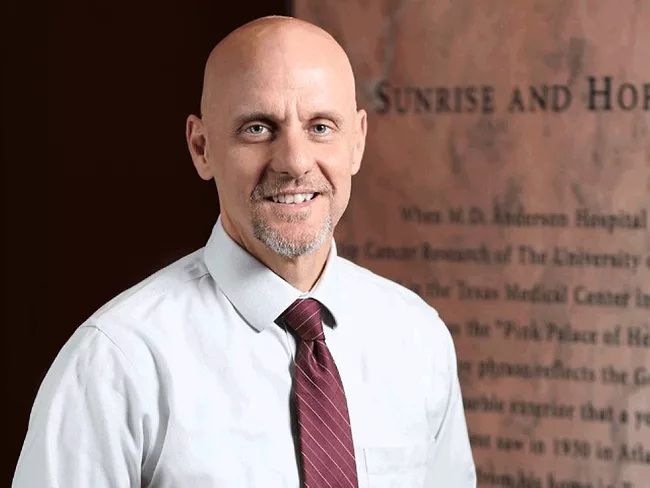
U.S. FDA commissioner Stephen Hahn appeared before a congressional panel to discuss the administration’s budget proposal for the agency, but the outbreak of COVID-19 predictably dominated the proceedings.
Despite the growing concerns about the potential for the community spread of COVID-19 in the U.S., the FDA-FTC public workshop on competition in the biologics marketplace went ahead as scheduled March 9, playing to a full house with some audience members sitting in an overflow room. And all the invited speakers and people registered to speak during the open public hearing session showed up.
LONDON – The World Health Organization (WHO) has released its COVID-19 R&D roadmap, highlighting the gaps in knowledge about the virus and setting out priorities for research. The organization is now calling on groups around the world to use the document – drawn up by 400 experts – to coordinate their efforts.
LONDON – The EU launched a “Corona” response team, bringing together oversight of all the separate strands put in place to control the virus, as the infection spread to 18 of 27 member states, with 2,100 confirmed cases and 31 deaths.
PERTH, Australia – As of Feb. 12, Australia’s Department of Health confirmed 15 cases of novel coronavirus in Australia (five in Queensland, four in New South Wales, four in Victoria and two in South Australia). Of the confirmed 15 cases, five people have recovered and the others are in stable condition.
HONG KONG – A team of researchers at Hong Kong University of Science and Technology (HKUST) claim to have invented the world’s fastest portable 2019-nCoV diagnostic device. From sampling to testing, the device is apparently able to detect the novel coronavirus in just 40 minutes. In comparison, the polymerase chain reaction (PCR) technology that is currently in use can take between 1.5 to 3 hours. The device draws on the latest microfluidic chip technology from Shenzhen Shineway Hi-Tech Co. Ltd.
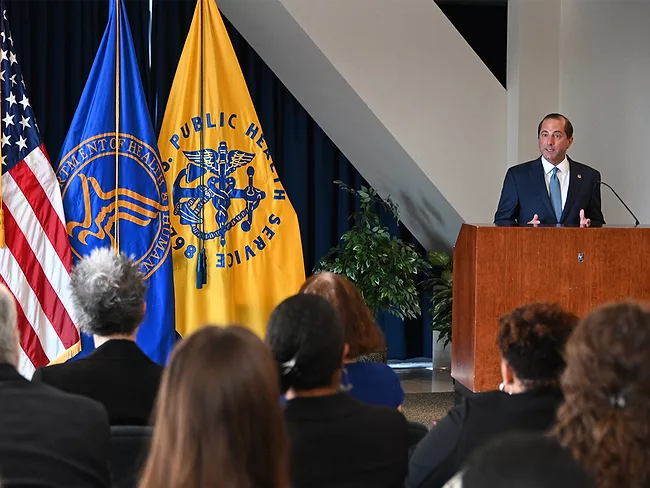
The U.S. Department of Health and Human Services has declared a public health emergency in the U.S. over the coronavirus in part because a government diagnostic for the virus yields inconsistent results, a fact that may spur the life sciences to provide a solution.
IDbyDNA Inc., a San Francisco-based metagenomics technology company, scooped up $20 million in series B financing in a round led by Artis Ventures. Genesys Capital and others participated in the round. The company plans to use the money to accelerate uptake of its Explify software platform.
The U.S. Centers for Medicare and Medicaid Services (CMS) has significantly relaxed the national restrictions on coverage of next-generation sequencing for cancer, affirming that early-stage breast and ovarian cancer patients will be covered. However, Medicare administrative contractors can cover tests that have not been reviewed by the FDA, a move that should also significantly boost utilization for makers of next-generation sequencing systems in clinical labs.
The patent subject matter eligibility problem has rattled the world of diagnostics for several years, but the U.S. Senate has been silent about legislation in recent months. Patent attorney Michael Borella, of McDonnell Boehnen Hulbert & Berghoff LLP (MBHB), said he does not expect Congress to provide any legislative fix to the problem any time soon.
 RSS
RSS