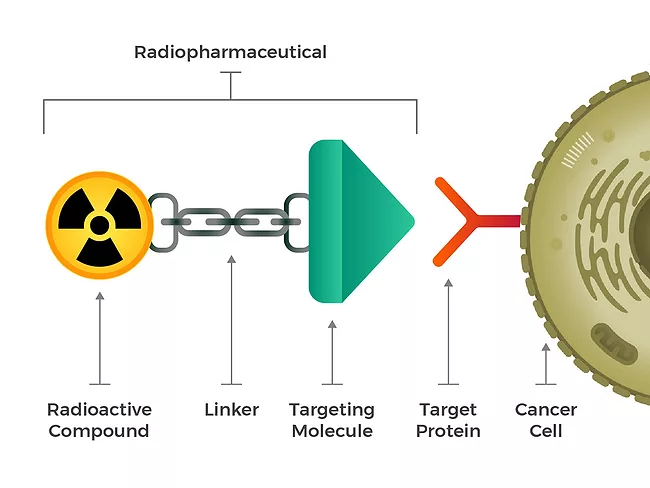
Radiopharm Theranostics Ltd.’s radiotracer RAD-101 (F18-Pivalate) successfully detected brain metastases in a variety of primary solid tumors in a phase II study.
Curently the only available blood test to tell which women are at risk of postpartum depression (PPD) is the one that confirms their pregnancy – and a one in seven chance of developing the condition which can have long-term implications for both mother and child. Research out of the University of Virginia and Weill Cornell Medicine could soon change that by identifying biomarkers in the third trimester of pregnancy that indicate which women have the greatest risk of developing PPD.
The Chinese government blacklisted several American companies, including gene sequencing-focused biotechnology firm Illumina Inc. and fashion brand PVH Corp., citing threats to China’s “national sovereignty, security and development interests.”
Lantheus Holdings Inc. is making waves in M&A with its second big deal of the month – and year – the acquisition of Evergreen Theragnostics Inc. for $250 million in cash up front and up to an additional $752.5 million in contingent payments. The transaction follows announcement of a definitive agreement to acquire Life Molecular Imaging Ltd., a subsidiary of Life Healthcare Group Holdings Ltd., on Jan. 13 for $350 million in cash at closing and a further $400 million in milestone payments.
Litigation against companies in the life sciences has far too often covered those who were not injured by the device or drug, but there are signs that this tide is shifting.
AI-powered drug R&D platform firm Oncocross Co. Ltd. is leading the procession of year-end Korea biotech IPOs this week, pricing an offering of about 11.85 million shares on the Korea Exchange at ₩7,300 each for gross proceeds of ₩85.56 billion (US$59.5 million).
Many studies have linked the presence of specific bacteria to various diseases. But a general overgrowth of gut bacteria can be a symptom of different conditions, including colorectal cancer and inflammatory bowel disease.
While women with “big hearts” play well in popular culture, cardiologists see a very different picture – with significant implications for women’s health and medical care. Women have smaller hearts and narrower blood vessels than men and their cardiovascular systems respond to disease and treatment in very different ways. Growing evidence that failure to reflect women’s distinct anatomy in cardiac care leads to deadly disparities in outcomes has recently stimulated development of new diagnostics and increased focus on inclusion of women in medical device trials.
A year out from Leqembi’s approval for Alzheimer’s disease (AD), ongoing research coupled with artificial intelligence is advancing both radiopharmaceuticals and small-molecule drugs for AD diagnostics and treatment, speakers at the 2024 KoNECT-MOHW-MFDS conference said.
According to World Health Organization data, endometriosis affects about 10% of reproductive-age females globally. That already makes endometriosis a wildly underresearched and underfunded disease in relation to its prevalence. Plus, Rama Kommagani thinks even 10% is an underestimation. “Diagnosis is very underreported, particularly in low- and middle-income countries,” Kommagani, who is an associate professor of pathology at Baylor College of Medicine, told BioWorld.
 RSS
RSS