The U.S. Department of Health and Human Services (HHS) has released a sweeping plan that is designed to help manage vector-borne pathogens, such as the Zika virus, with the ultimate goal of reducing the related disease burden to zero.
Researchers at ETH Zurich have identified a proteomic signature that could recognize long COVID six months after acute infection. Biologically, the signature indicated that the complement system remained active in patients with long COVID six months after infection. Translationally, it could lead to a diagnostic test for long COVID, and suggests that targeting the complement system could be a therapeutic approach to prevent or treat the disorder.
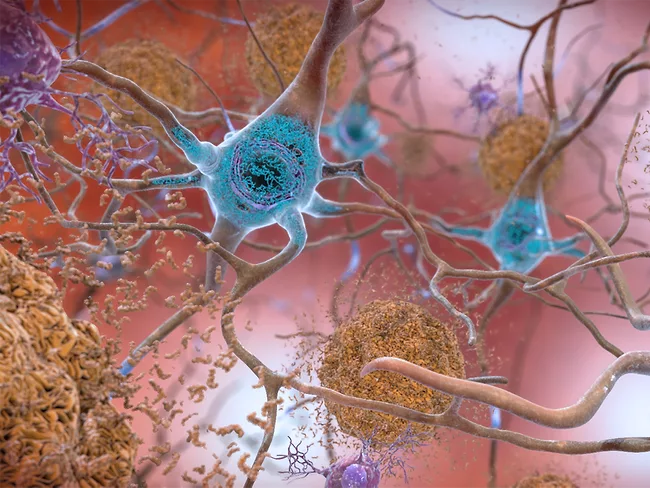
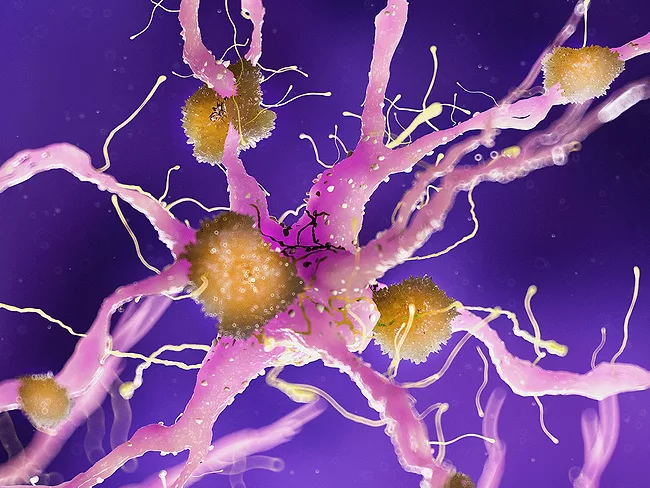
Eisai Co. Ltd. and Oita University in Oita Prefecture, Japan, developed a first-of-its-kind machine learning model to predict amyloid beta accumulation in the brain using a wristband sensor. The model, which collects biological and lifestyle data from daily life, is expected to enable screening for brain amyloid beta accumulation to identify those at risk for Alzheimer's disease, particularly because amyloid beta begins to accumulate in the brain about 20 years before the onset of the disease.
Six months out from the World Health Organization ending the global health emergency brought on by the pandemic, there’s no need for the World Trade Organization to expand a five-year intellectual property (IP) waiver for vaccines to COVID-19-related drugs, devices and diagnostics.
In a new report from the U.S. International Trade Commission (USITC), concerns about global inequities accessing diagnostics and medicines for COVID-19 reveal that there are varied and divergent opinions on whether the intellectual property (IP) protections that support the development of new medicines may also act as a barrier to access, particularly in developing countries. In December 2022, U.S. Trade Representative Katherine Tai asked the USITC to respond and identify significant data and information gaps.
The European Commission (EC) has ordered Illumina Inc. to sell Grail Inc. after it closed the acquisition without approval from EU regulators. The EC said that if Illumina fails to comply with the order, the company faces fines of up to 5% of its daily aggregate revenue or up to 10% of its annual worldwide revenue.
Springboarding off the success of its AI-based imaging software for cancer detection, the deep learning-based artificial intelligence (AI) company Lunit Inc. has another AI software, called the Lunit Scope, up its sleeve for which it hopes to gain U.S. FDA approval by 2025.
The first special purpose acquisition company (SPAC) merger announced in 2023 has fallen apart. Aprinoia Therapeutics Inc. and Ross Acquisition Corp. II mutually agreed to call off the merger that had been valued at $280 million. The failed deal is part of a larger trend that has gained momentum in the past year as a struggling economy and tighter U.S. SEC restrictions dampened SPAC deals.
A recent bipartisan request for funding of a study on replacing U.S. drug patents with cash prizes is just one more symptom of a larger global malady that makes patents the scapegoat for bigger problems that have nothing to do with intellectual property (IP), David Kappos, board co-chair of the Council for Innovation Promotion (C4IP), told BioWorld.
Responding to medical advances and new standards of care in Alzheimer’s, the U.S. Centers for Medicare & Medicaid Services (CMS) is proposing to end its 10-year-old coverage with evidence development policy that has limited Medicare reimbursement of amyloid PET scans to once in a lifetime for beneficiaries – and then only when they’re used in a CMS-approved trial.
 RSS
RSS