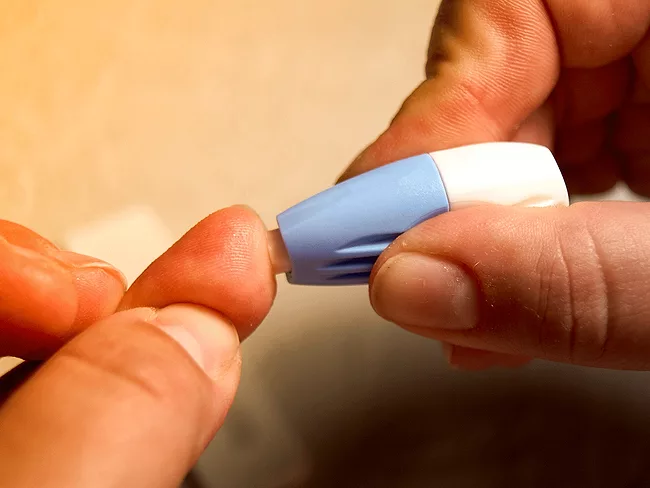
Researchers at Stanford University School of Medicine have developed a method to measure several thousand metabolites, including proteins, metabolites, inflammatory markers such as cytokines and, to a degree, lipids. “It’s like Theranos, except it works,” corresponding author Michael Snyder, director of the Center for Genomics and Personalized Medicine at Stanford Medicine, told BioWorld.
Even though Cytokinetics Inc. received applause for testing its heart failure drug, omecamtiv mecarbil, in the second largest global heart disease clinical trial ever, the drug didn’t get a standing ovation from the U.S. FDA’s Cardiovascular and Renal Drugs Advisory Committee (CRDAC) Dec. 13.
What could be Cytokinetics Inc.’s first approved drug will take center stage Dec. 13 at a meeting of the U.S. FDA’s Cardiovascular and Renal Drugs Advisory Committee. But judging from the FDA’s briefing document for the meeting, the spotlight on the heart failure drug, omecamtiv mecarbil, could be harsh.
The companion diagnostic (CDx) has been a mainstay of oncology care for several years, but Richard Pazdur, director of the U.S. FDA’s Oncology Center of Excellence, said recently in a public forum recently that the notion of a single CDx for an investigational drug has not served patients well.
Global interest in radiopharmaceuticals is growing, and some big deals in the space have sparked interest in the last few years. Novartis AG has spent about $6 billion in acquisitions and is seen as the global leader.
Radiopharmaceutical company Telix Pharmaceuticals Ltd’s TLX250-CDx (Zirconium (89Zr) TX250) met both primary and secondary endpoints in the phase III Zircon study in clear cell renal cell carcinoma, according to top-line data.
While weekly global and U.S. confirmed cases of COVID-19 are below each of the last two years, infectious disease experts remain on guard. There are still about 1,500 people dying around the world each day, including 350 in the U.S., and the SARS-CoV-2 virus may continue to find ways to outmaneuver current treatments and vaccines.
Enhanc3D Genomics Ltd. has raised £10 million (US$11.3 million) in a series A round to advance development of its Genlink3D technology for directly linking gene regulators in non-coding DNA to their target protein coding genes.
The U.K. is launching a £230 million (US$260 million) project to build a database linking the health records and genetic information of 5 million people, which will be open for discovery research and as a source of clinical trial recruits for academics and companies.
Radiopharm Theranostics Ltd.’s phase II F-18 Pivalate positron emission tomography trial in brain metastases saw positive results with high uptake regardless of the origin of primary tumors, showing that Pivalate could be used to monitor brain metastases.
 RSS
RSS