For decades, treatment options for osteoarthritis have followed a familiar path: As cartilage deteriorates and pain worsens, conservative therapies eventually give way to joint replacement surgery. Australian regenerative medicine company Integrant Pty Ltd. wants to change that trajectory. Rather than replacing damaged joints, the Sydney-based company is building a platform designed to regenerate cartilage and preserve joint function by combining biologics, medical devices and artificial intelligence.
A year and a half from its formation, Oblenio Bio has generated positive nonhuman primate data for LBL-051 in chronic autoimmune diseases and closed a $62 million series B to move the trispecific T-cell engager into the clinic.
A year and a half from its formation, Oblenio Bio has generated positive nonhuman primate data for LBL-051 in chronic autoimmune diseases and closed a $62 million series B to move the trispecific T-cell engager into the clinic.
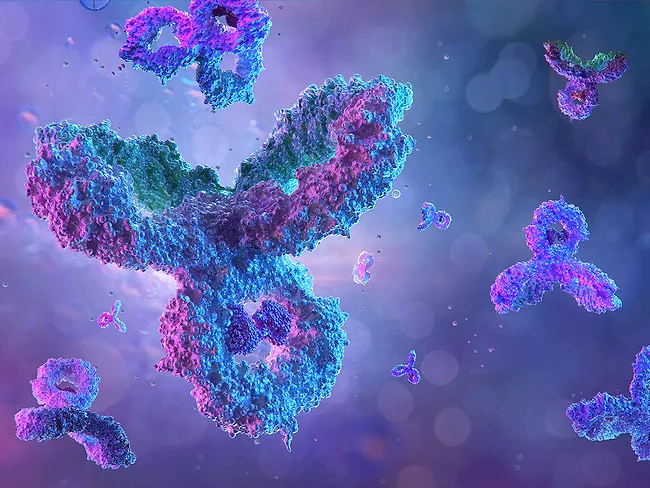
Bionyra Pharma has emerged with a $165 million oversubscribed series A and a portfolio of three antibodies with extended half-lives that are designed to offer improvements over existing classes of monoclonal antibodies for treating chronic inflammatory diseases.
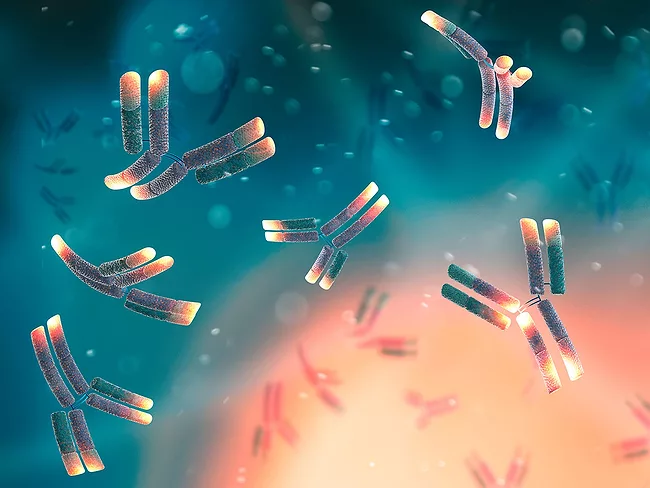
Ethyreal Bio Inc. has come out of stealth mode in order to disclose preclinical data for ETHY-001, its monoclonal antibody targeting thyroid stimulating hormone receptor, at the Endocrine Society’s 2026 annual meeting on June 15.
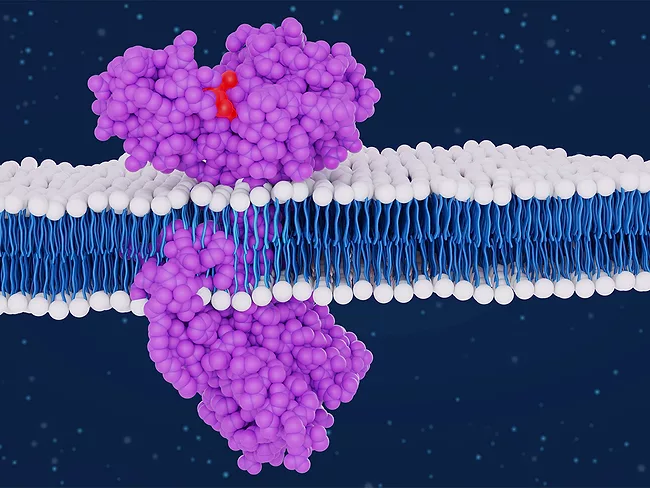
Modulating G protein-coupled receptors (GPCRs) is one of the major challenges in biomedicine. These are flexible proteins with small, deep binding pockets. The scientific community has explored small molecules, antibodies and nanobodies to develop ligands. Skape Bio Inc. is betting on creating miniproteins, a strategy that brings precise solutions for different functions.
Protuoso Biosciences has announced the close of an oversubscribed $9.5 million seed financing round, the proceeds of which will be used to advance its multifunctional protein engineering platform and broad pipeline across cardiometabolic, oncology and autoimmune diseases.
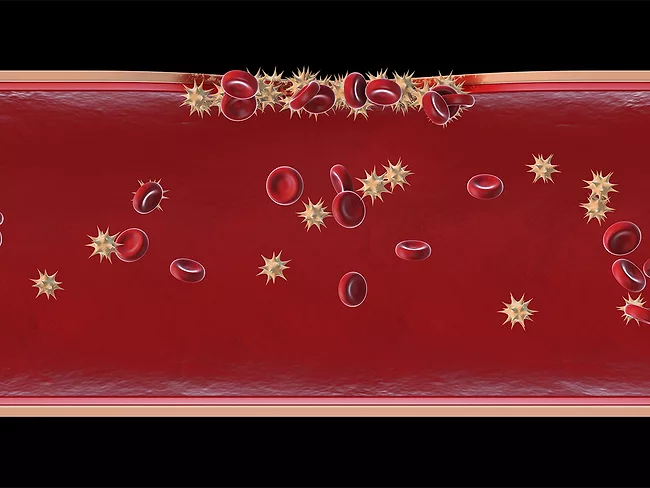
Bleednfire Therapeutics has launched, having secured nondilutive funding from Innosuisse, Venture Kick, the Gebert Rüf Foundation Innobooster program and Kickfund. It is co-founded by Landmark Bioventures AG and leading KOLs from the University of Bern and Inselspital (Bern University Hospital).
Oorja Bio Inc., named after the phonetic spelling of “energy” in Sanskrit, secured $30 million from founding investor Westlake Biopartners in a series A financing round to advance its in-licensing approach to develop drugs for idiopathic pulmonary fibrosis (IPF) and other fibrotic and cardiopulmonary diseases.
Curacle Co. Ltd. inked a potential $1.07 billion deal with U.S.-based “newco” Memento Medicines on May 10, granting the latter exclusive global rights to develop and commercialize preclinical TIE2/VEGF-directed bispecific antibody MT-103 for retinal disorders.
 RSS
RSS