Researchers have developed a method to repair nerve connections in patients with spinal cord injuries using red and near-infrared light. The team from the University of Birmingham, U.K., are now planning to develop an implantable device to help surgeons protect and repair the spinal cord.
Angle plc recently signed an agreement with Astrazeneca plc to develop an androgen receptor (AR) detection assay for use in prostate cancer studies, based on its Parsortix system, which captures and harvest circulating tumor cells for subsequent analysis.
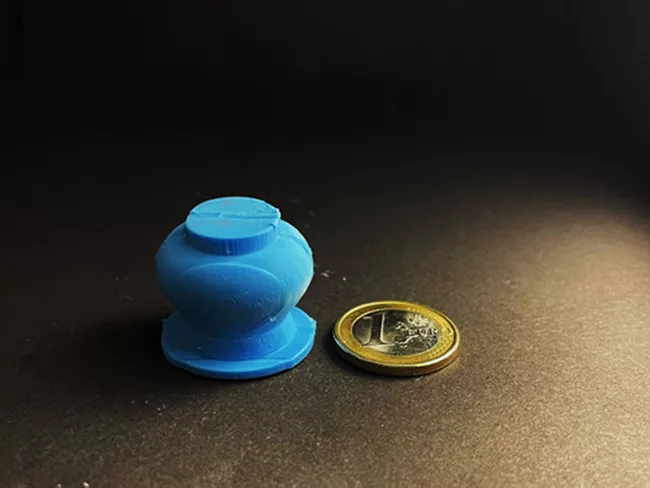
Researchers have developed a new blood collection device inspired by the behavior of a leech which attaches itself to a host, penetrates their skin with its teeth and swallows to create negative pressure drawing blood.
The U.K. National Institute for Health and Care Excellence has posted an early value assessment review of digital technologies for the management of chronic obstructive pulmonary disease, giving the conditional nod to only one technology — the Mycopd app by London-based My Mhealth Ltd.
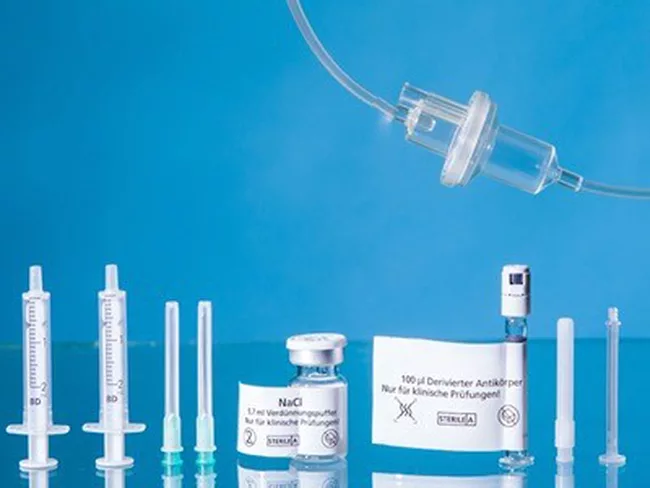
Lindis Blood Care GmbH recently revealed excellent data from the Remove study that showed that its Catuvab device was safe and effective in removing tumor cells from intraoperative blood during high blood loss cancer surgeries.
Despite a couple of med-tech deals transacted this year and more liquidity in the market, early-stage medical device companies in Europe continue to struggle to raise funds. To attract interest from Venture Capital (VC) funds, these companies must ensure they have a disruptive technology, be willing to change their story, and do the math to ensure that VC firms who back them can get an adequate return, investors advised at the recent LSX World Congress in London.
Precision medicine holds exciting promise for the medical device industry as it offers a range of solutions within diagnostics, digital devices and imaging, which could transform patient care, delegates heard at the LSX World Congress in London. However, there are a range of challenges ahead, including the population of clinical data, getting past the inertia of physicians and making it easier to run clinical studies.
Looking beyond the U.S. biopharma industry, Sen. Bernie Sanders (I-Vt.) is now pushing the International Federation of Pharmaceutical Manufacturers and Associations to get on board with the World Health Organization’s proposed Pandemic Accord aimed at making diagnostics, treatments and vaccines available to everyone who needs them.
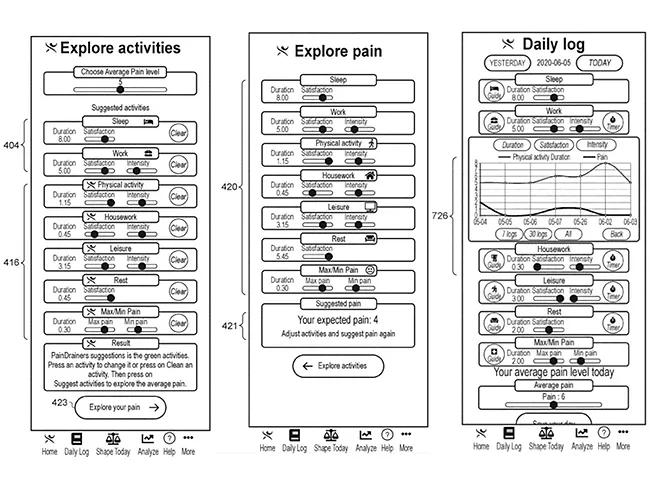
Lund, Sweden based-Paindrainer AB received notification from the European Patent Office that it intends to grant this patent application for its digital tool, Paindrainer, which coaches users in managing their pain and provides guidance on how to reach a personalized activity balance to reach an optimal functional level and alleviate pain.
Integra Lifesciences Holdings Corp. will not launch any new product in the EU before the U.S. because of the challenging requirements under the new Medical Device Regulation, Stuart Hart, chief medical officer at the Princeton, New Jersey-based company, told delegates at the LSX conference in London.
 RSS
RSS