The European Union (EU) is steadily making progress on the Artificial Intelligence Act (AI Act), landmark legislation that will affect AI not just for medical uses, but for all uses across the EU economy.
The controversy over the use of paclitaxel (PTX) in devices used to treat peripheral artery disease (PAD) has taken roughly half a decade to unwind as regulatory agencies across the globe stand down their restrictions on the use of these devices.
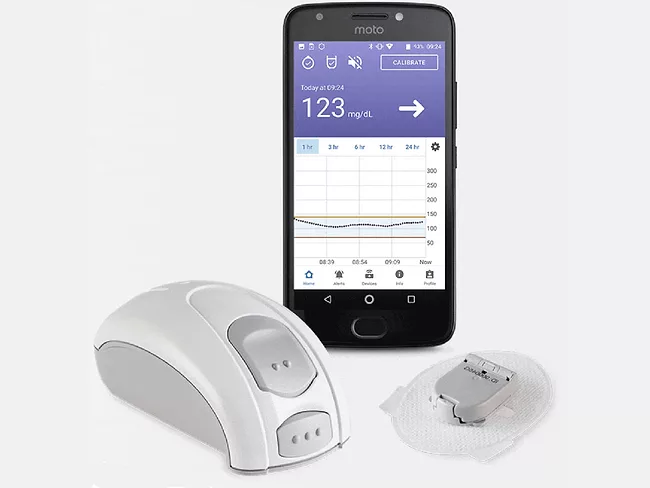
Trinity Biotech plc. paid $12.5 million to acquire Waveform Technologies Inc.’s biosensor and continuous glucose monitoring (CGM) assets. It also formed a partnership with Bayer AG to launch a CGM biosensor in China and India. These moves are part of Trinity’s transformation strategy to become a leading player in wearable biosensor technology.
The EU’s proposed update of its pharmaceutical legislation will break the model of small companies acting as the vehicle for translating Europe’s rich research base for onward development by pharma, according to an analysis looking specifically at the impact the new rules would have on the biotech sector.
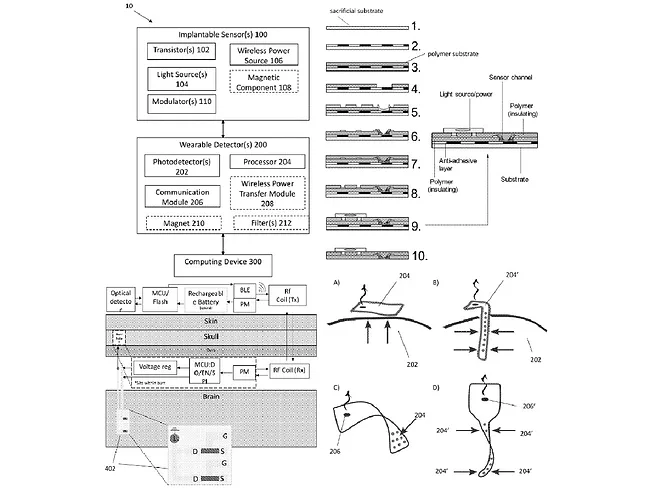
In its first patenting, Cambridge, U.K.-based Opto Biosystems Ltd. is seeking protection for implantable sensors that may be used in systems to measure chemical, biological, or electrical signals in the central and/or peripheral nervous systems.
After almost 10 years on the market, the EMA is to withdraw its conditional approval of the Duchenne muscular dystrophy treatment Translarna (ataluren), after concluding there is still not enough evidence of its effectiveness.
To date, developers of digital health technologies have had little luck with coverage and reimbursement, but the picture is slowly improving. The U.K.’s National Institute for Health and Care Excellence (NICE) has endorsed two artificial intelligence (AI) algorithms for diagnosis of stroke, although this is limited to an evidence generation framework that puts the sponsors on the hook for generating the data that will allow unlimited use in the U.K.’s trusts.
In the face of the short supply of venture capital, the U.K. biotech sector weathered the storm in 2023, raising a total of £1.25 billion (US$1.6 billion) across 69 deals. That was 6% down on 2022, but has to be seen against the backdrop of U.K. VC investment across all sectors falling by a massive 43%. With follow-on financing by quoted companies, biotechs raised £1.8 billion overall.
A U.K. national health service (NHS) hospital has begun offering Allurion Technologies Inc.’s swallowable gastric balloon to patients struggling to lose weight for surgery. The move is a boon for the company amid rising competition in the weight loss market from GLP-1 agonists.
Making them an antibiotic of last resort, the U.K.’s Medicines and Healthcare Products Regulatory Agency introduced new restrictions on the use of fluoroquinolones due to the risk of potentially long-term or irreversible side effects.
 RSS
RSS