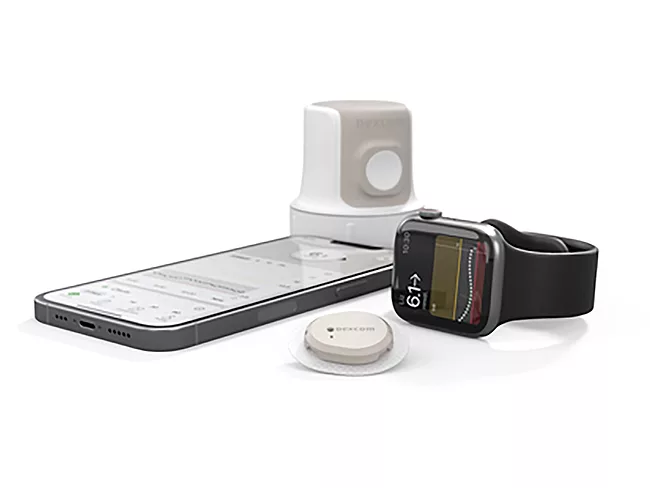
Lex Diagnostics Ltd. has submitted dual applications to the U.S. FDA seeking 510(k) clearance and CLIA waiver status for its Velo system, an ultra-fast point-of-care molecular diagnostics platform. The move comes after the recent news from Quidelortho Corp. that it intends to acquire Lex for $100 million following U.S. regulatory approval of the technology.
London-based Livanova plc. has petitioned the U.S. CMS to cover vagus nerve stimulation device for treatment-resistant depression without the need for a clinical trial — a change that would eliminate the costly and cumbersome coverage with evidence development mechanism.
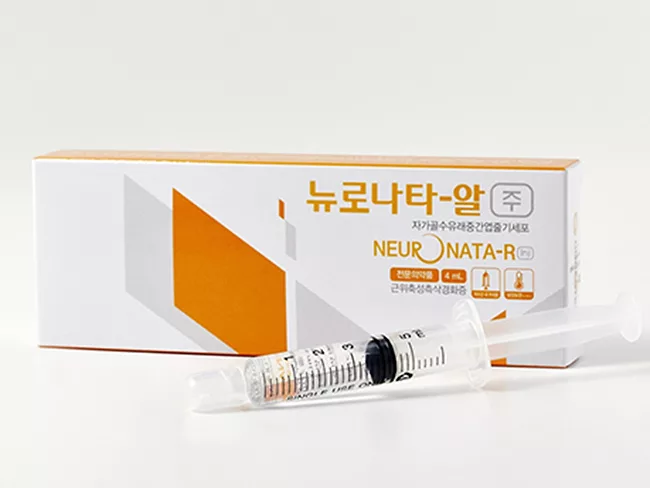
Corestemchemon Inc. is planning to file a BLA for Neuronata-R (lenzumestrocel) by the end of 2025 to gain accelerated approval from the U.S. FDA, company officials confirmed to BioWorld during a June 2 interview. Neuronata-R is an autologous bone marrow-derived mesenchymal stem cell therapy that first gained approval in South Korea in 2014 to delay the progression of amyotrophic lateral sclerosis (ALS), a progressive neurodegenerative disorder also known as Lou Gehrig’s disease.
Ascletis Pharma Inc.’s once-daily oral fatty acid synthase inhibitor, denifanstat, demonstrated statistically significant and clinically meaningful improvements compared to placebo, meeting all primary and secondary endpoints in a phase III trial for moderate to severe acne vulgaris.
Ligachem Biosciences Inc. signed two license agreements with Novarock Biotherapeutics Inc., a subsidiary of CSPC Pharmaceutical Group Ltd., to bring in two of Novarock’s antibodies and create antibody-drug conjugate (ADC) candidates with novel cancer targets.
As it advances its nonopioid analgesic ATX-101 breakthrough therapy through a phase IIb registration trial, Allay Therapeutics secured $57.5 million in a series D round, which included an investment from the company’s Japanese partner.
Insmed Inc.’s chair and CEO, Will Lewis, called the phase IIb trial of TPIP in pulmonary arterial hypertension a “clear and unequivocal success,” with analysts and investors wholeheartedly agreeing, as the company’s shares surged 28.7% June 10.
Despite the June 9 gutting of the U.S. CDC’s Advisory Committee for Immunization Practices, the Department of Health and Human Services said the committee’s June 25-27 meeting will continue as scheduled. But a new panel has yet to be named, and typically ACIP members have a lot of behind-the-scenes work to do before a meeting.
Researchers at the Massachusetts Institute of Technology and Recursion Pharmaceuticals Inc. have released an open-source AI model that can predict the binding strength of small molecules as well as structures of proteins and biomolecular complexes. The model, which is called Boltz-2 and was released by the research team on the developer platform Github on June 6, addresses a major bottleneck in drug discovery with its improved ability to predict binding strengths.
 RSS
RSS