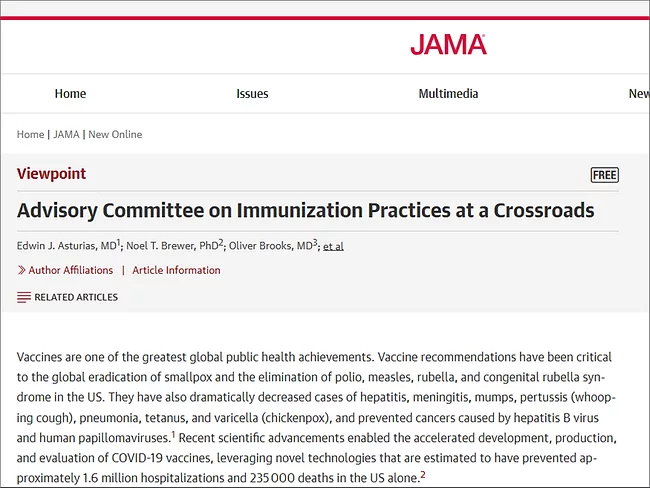
The 17 members abruptly terminated June 9 from the U.S. CDC’s Advisory Committee for Immunization Practices (ACIP) are not going gently into the night. Instead, they’re raging against what could be the dying of the light. The 17 raised their collective voices in a June 16 JAMA opinion piece to decry what’s at stake with Health and Human Services Secretary Robert Kennedy’s efforts, in his words, to “reestablish public confidence in vaccine science” by cleansing ACIP of what he claimed were conflicts due to members’ financial ties to industry.
With plenty of GLP-1 money to spend, Eli Lilly and Co. is buying Verve Therapeutics Inc. and its gene-editing program for about $1.3 billion. Two of Verve’s one-time treatments are in the clinic. Lead candidate VERVE-102, a gene-editing treatment targeting PCSK9, is in a phase Ib study to reduce cholesterol levels.
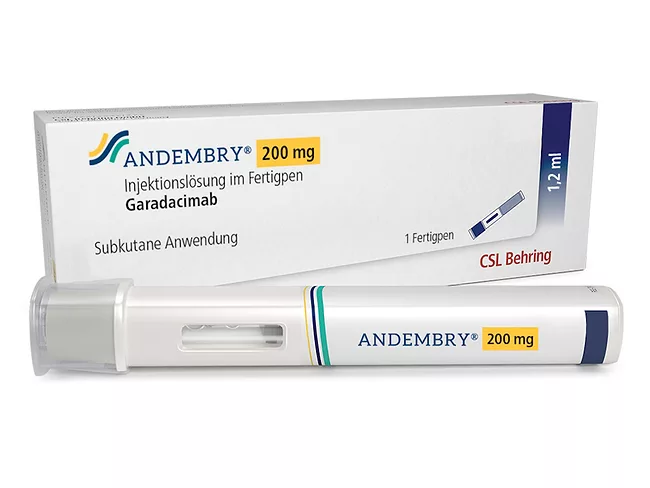
Following a complete response letter issued last October over CMC issues, CSL Behring LLC gained U.S. FDA approval June 16 of its humanized anti-factor XIIa monoclonal antibody, garadacimab (CSL-312), to prevent hereditary angioedema attacks.
The 23andme Holding Co.’s saga came full circle with founder Anne Wojcicki regaining control of the bankrupt genetic testing company in a bidding battle against Regeneron Pharmaceuticals Inc.
Medicare Advantage plans have been controversial for several reasons, and the Advanced Medical Technology Association has now made the argument that the Centers for Medicare & Medicaid Services should require these plans to replicate the terms of the Medicare new technology add-on program.
Calling it “incredible news,” Massachusetts Attorney General Andrea Joy Campbell reported June 16 that U.S. District Judge William Young ordered the Trump administration to restore funding for NIH research grants focusing on gender and diversity, equity and inclusion (DEI).
Supernus Pharmaceuticals Inc. is buying Sage Therapeutics Inc. for about $795 million. The deal brings Supernus, already firmly in the CNS market, the only U.S. FDA-approved oral treatment for postpartum depression. Supernus CEO Jack Khattar said he believes sales will support the acquisition, but some analysts had their doubts.
Medtronic plc received U.S. FDA approval for its Omniasecure defibrillation lead for placement in the right ventricle to treat arrhythmias. Medtronic said the lead is the smallest made at 4.7 French or 1.6 mm, making it suitable for individuals as young as age 12 and others with smaller anatomies, particularly women.
Celldex Inc.’s KIT inhibitor, barzolvolimab, which hit its phase II endpoints in late 2023, kicking off phase III development in chronic spontaneous urticaria, offered up some impressive long-term findings at the EAACI Congress 2025, including complete responses in patients for as long as seven months after the cessation of therapy, which analysts said could position the drug as a potentially best-in-class option.
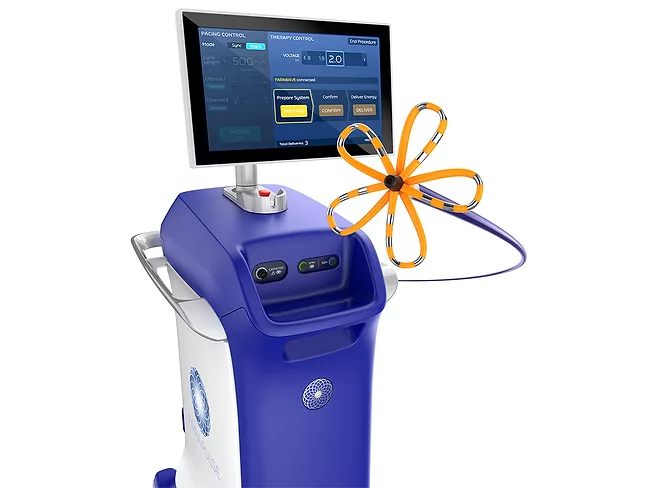
Boston Scientific Corp.’s Farapulse pulsed field ablation system racked up more than $1 billion in revenue in its first year; its Watchman left atrial appendage occluder holds more than 90% of the market. How does the company choose and position its products for such astonishing success?
 RSS
RSS