With the U.S. FDA’s approval of Enflonsia (clesrovimab) to prevent respiratory syncytial virus (RSV) infection lower respiratory tract disease in newborns and infants, Merck & Co. Inc. steps into a space of competition and regulatory shifts. The preventive, long-acting monoclonal antibody (MAb)
will take its place in the market alongside the blockbuster Beyfortus (nirsevimab) from Sanofi SA and Astrazeneca plc. The MAb for pediatric use brought in about $1.77 billion in 2024.
Omada Health Inc. rang the opening bell on the New York Stock Exchange on June 6, marking its first day as a public company, but it won’t be the most recent IPO for very long. Continuing the brisk pace seen so far this year, Caris Life Sciences Inc. is hot on its heels with a road show in progress leading up to its expected debut on the Nasdaq next week.
Absent extraordinary circumstances, the Patent Trial and Appeal Board “should never cancel claims it has not determined to be unpatentable as a sanction” for misconduct during a board proceeding, according to the acting director of the U.S. Patent and Trademark Office (USPTO).
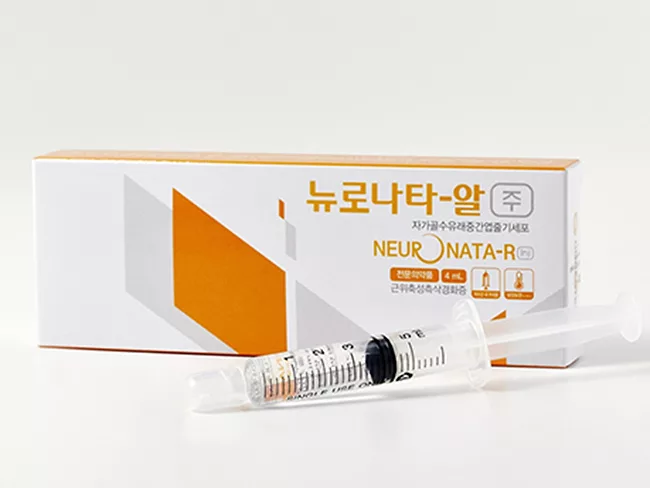
Corestemchemon Inc. is planning to file a BLA for Neuronata-R (lenzumestrocel) by the end of 2025 to gain accelerated approval from the U.S. FDA, company officials confirmed to BioWorld during a June 2 interview. Neuronata-R is an autologous bone marrow-derived mesenchymal stem cell therapy that first gained approval in South Korea in 2014 to delay the progression of amyotrophic lateral sclerosis (ALS), a progressive neurodegenerative disorder also known as Lou Gehrig’s disease.
Researchers at the Massachusetts Institute of Technology and Recursion Pharmaceuticals Inc. have released an open-source AI model that can predict the binding strength of small molecules as well as structures of proteins and biomolecular complexes. The model, which is called Boltz-2 and was released by the research team on the developer platform Github on June 6, addresses a major bottleneck in drug discovery with its improved ability to predict binding strengths.
One of the big questions going into the phase I readout for Metsera Inc.’s amylin analogue, MET-233i, was whether findings would support once-monthly dosing for the potential obesity candidate. They did. Results also indicated solid and dose-dependent weight loss activity, and Metsera was able to identify well-tolerated starting doses for subsequent studies, said Steve Marso, chief medical officer. “So we exceeded expectations on all three scientific objectives.”
As it advances its nonopioid analgesic ATX-101 breakthrough therapy through a phase IIb registration trial, Allay Therapeutics secured $57.5 million in a series D round, which included an investment from the company’s Japanese partner. ATX-101, a configuration of sodium ion channel blocker bupivacaine and a biopolymer, which is in a phase IIb registration study, is designed to offer pain relief following total knee arthroplasty.
Turning the human body into a biofactory of precision protein therapeutics is the focus of newly launched Signify Bio, which emerged with an oversubscribed $15 million initial financing to advance three platforms with broad potential across therapeutic areas.
In the midst of June’s peak wedding season, Highridge Medical LLC called it splitsville – selling its bone healing division to Avista Healthcare Partners. The latest separation continues the sundering of what Zimmer Biomet Holdings Inc. so carefully joined together a decade ago.
 RSS
RSS