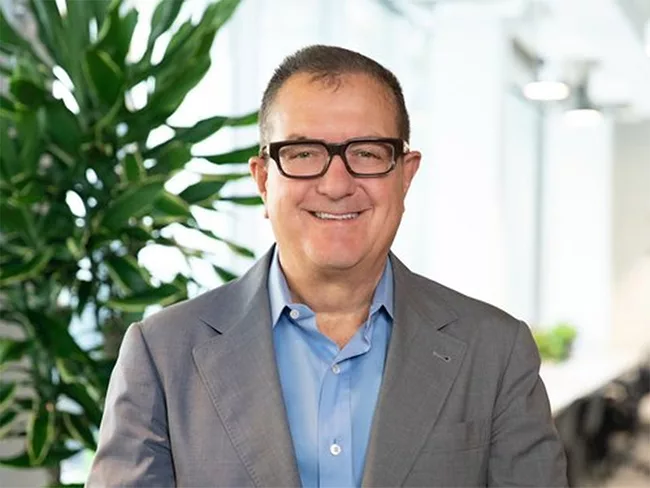
Continuing its streak of promising early clinical data, Jasper Therapeutics Inc.’s briquilimab impressed in a preliminary readout from a phase Ib/IIa study in chronic inducible urticaria (CIndU), showing a clinical response of 93%. CIndU, an inflammatory skin condition causing hives that is often induced by physical or environmental stimuli, is commonly treated with antihistamines, though some patients are refractory. Beyond antihistamines, there is no treatment available globally, explained Edwin Tucker, Jasper’s chief medical officer, so briquilimab has the potential to be “a new treatment paradigm for patients,” both in reducing disease burden and in improving quality of life.
H. Lundbeck A/S is to acquire Longboard Pharmaceuticals Inc. in an all-cash deal valuing the epilepsy specialist at $2.6 billion. The agreed price of $60 per share is a 54% premium to the closing price of Longboard stock (NASDAQ:LBPH) on Oct. 11 and represents the biggest deal in Lundbeck’s 110-year history. The acquisition will give the Copenhagen, Denmark-based pharma company ownership of bexicaserin, which in September entered phase III development in Dravet syndrome. The 5-HT2C agonist has the potential to treat this and other rare developmental and epileptic encephalopathies, for most of which there are no approved therapies.
Hologic Inc. signed an agreement to acquire Gynesonics Inc. for $350 million. The acquisition will significantly boost Hologic’s revenues from surgical gynecology and provide an option not met by the company’s current portfolio of products.
The U.S. FDA’s device center disclosed its guidance ambitions for this new fiscal year – a list that includes the usual A and B lists for draft and final guidances. However, the agency now has an “under construction” list of guidance ambitions, the status of which is entirely reliant on the agency’s resources.
The founding CEO of Alnylam Pharmaceuticals Inc. is now leading the charge with newly launched City Therapeutics Inc., which just completed a $135 million series A financing. City’s executive chair, John Maraganore, will be in familiar territory as the new company plans to develop RNAi-based medicines using next-generation siRNA engineering. He expects dozens of these therapies to reach the market in a relatively short period of time, not just from City Therapeutics but from other companies. It’s a period in the development timeline that he finds reminiscent of the rise and development of monoclonal antibodies.
Coming off September, which saw five biopharma IPOs raise more than $1 billion, two firms priced upsized offerings that could total more than $330 million.
Genentech Inc. didn’t need to wait until Thanksgiving for the U.S. FDA to make up its mind. More than a month ahead of its PDUFA date, the agency approved the firm’s first-line breast cancer treatment, Itovebi (inavolisib), providing the oral therapy a place with other niched therapies from Astrazeneca plc and Novartis AG. Itovebi is to be combined with Pfizer Inc.’s palbociclib (Ibrance) and Faslodex (fulvestrant, Astrazeneca) for adults with endocrine-resistant, PIK3CA-mutated, hormone receptor (HR)-positive, HER2-negative, locally advanced or metastatic breast cancer.
Gilead Sciences Inc. terminated a potential $785 million licensing deal with Yuhan Corp. inked in 2019 to develop metabolic dysfunction-associated steatohepatitis (MASH) therapies.
The founding CEO of Alnylam Pharmaceuticals Inc. is now leading the charge with newly launched City Therapeutics Inc., which just completed a $135 million series A financing. City’s executive chair, John Maraganore, will be in familiar territory as the new company plans to develop RNAi-based medicines using next-generation siRNA engineering. He expects dozens of these therapies to reach the market in a relatively short period of time, not just from City Therapeutics but from other companies. It’s a period in the development timeline that he finds reminiscent of the rise and development of monoclonal antibodies.
Ceribell Inc. launched its initial public offering of more than 10.6 million shares of common stock at $17 and steadily saw the trading value rise, before closing just over $25 on Oct. 11 per share. Ceribell, which developed a portable electroencephalogram for use in intensive care and emergency department settings, expected to gross $180.3 million from the IPO excluding any exercise of the underwriters’ option to purchase additional shares. The IPO will close on Oct. 15.

 RSS
RSS