As biopharma and med-tech companies grapple with restrictive data privacy laws in the EU and China while trying to meet the demand for greater diversity reflective of the U.S. population, there’s been more of an interest in conducting clinical trials in the U.S., Stacy Amin, a partner at Morrison & Foerster LLP, told BioWorld.
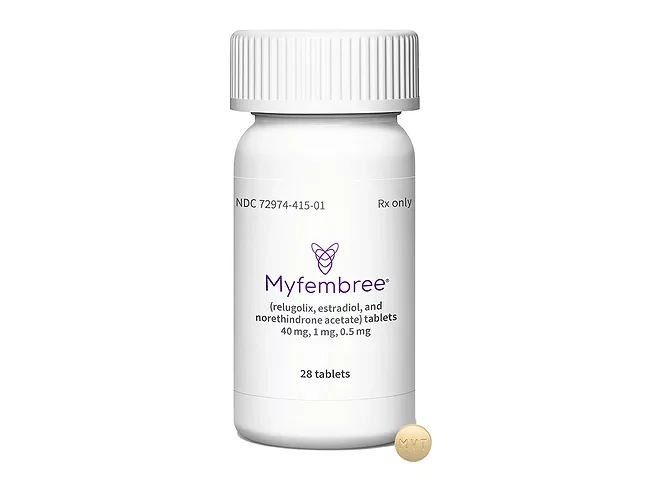
Women now have a new treatment option for dealing with the pain associated with endometriosis with U.S. FDA approval of Myfembree (relugolix/estradiol/norethindrone acetate) for managing moderate to severe pain associated with endometriosis in premenopausal women.
The U.S. FDA granted Preceptis Inc. an expanded clearance for its Hummingbird Tympanostomy Tube System for office-based pediatric ear tube procedures. The device was previously cleared in children 6-24 months, but the new clearance allows in-office procedures in all children six months and older. The minimally invasive device is designed to create an incision so the ear tube can be delivered using a single pass down the ear canal, without the use of general anesthesia.
As expected, the U.S. House of Representatives passed, on a 220-207 party-line vote, a legislative package Aug. 12 that, for the first time, allows Medicare to directly negotiate some prescription drug prices, while imposing severe penalties and an excise tax on companies that refuse to negotiate or don’t comply with the government price.
With the launch of the Mawi Heart Patch in the U.S., physicians and patients have a lightweight, wireless heart monitoring system that provides seven days of cardiac information. Using a disposable two-lead system affixed to the chest, the device provides a detailed report within 24 hours and can reduce time to diagnosis by 97%, Mawi Inc. said.
The question of whether an artificial intelligence (AI) algorithm should enjoy the status of an inventor has been making the rounds in various nations, but the U.S. Court of Appeals for the Federal Circuit has rejected the notion based on a plain reading of the statute. The court said that the statute is unambiguous in that only natural persons can claim inventorship, but the question will be appealed to the Supreme Court, which will have an opportunity to put this debate to rest.
Surgical mesh product liability litigation has fed a massive volume of billable hours for attorneys on both sides of these lawsuits, but a recent case went the way of Coloplast AS unit Coloplast Corp., of Minneapolis, which prevailed over a litigant in a case heard in a Minnesota district court. Despite the win, the case sustains an ongoing debate over whether the gatekeeping function for expert testimony was appropriately exercised, an issue that may soon be clarified by an advisory body on judicial procedures.
As biopharma and med-tech companies grapple with restrictive data privacy laws in the EU and China while trying to meet the demand for greater diversity reflective of the U.S. population, there’s been more of an interest in conducting clinical trials in the U.S., Stacy Amin, a partner at Morrison & Foerster LLP, told BioWorld.
Women now have a new treatment option for dealing with the pain associated with endometriosis with U.S. FDA approval of Myfembree (relugolix/estradiol/norethindrone acetate) for managing moderate to severe pain associated with endometriosis in premenopausal women.
President Joseph Biden signed into law the CHIPS and Science Act of 2022, a bill that calls for investment of $280 billion overall into the development and manufacturing of semiconductor products and which should ease the crunch on these products for medical device manufacturers. However, some have estimated that bringing new production capacity online can take three to five years, suggesting that the med-tech industry will need to continue to devise workarounds to the current supply crunch for the immediate future.

 RSS
RSS