Spectrum Pharmaceuticals Inc. celebrated a long-awaited win with the U.S. FDA’s approval late Sept. 9 of novel G-CSF drug eflapegrastim, cleared for use in chemotherapy-induced neutropenia nearly four years after the company first filed for regulatory approval. Despite moves this year to reduce its cash burn, Spectrum has ready to go a commercial team expected to sell eflapegrastim as well as cancer drug poziotinib, which is under FDA review with a PDUFA date of Nov. 24, 2022.
Cerevasc Inc. has treated its first U.S. patient using an investigational device intended for patients suffering from hydrocephalus, one of the most common neurological conditions worldwide. Boston-based Cerevasc’s Eshunt system is being taken through its paces during a clinical study in Buenos Aires, Argentina and is aimed at replacing a half-century-old neurosurgical procedure associated with frequent failure, infection risk and high costs.
For people with the grim diagnosis of pancreatic cancer, the news may have gotten just a shade brighter. Researchers at the Mayo Clinic Comprehensive Cancer Center found that using 18-fluorodeoxyglucose (FDG) tracer with positron emission tomography (PET) provides a preoperative predictor of tumor response to chemotherapy and survival in patients with borderline resectable or locally advanced pancreatic cancer. The finding could change recommended practice for one of the deadliest forms of cancer and improve outcomes for patients.
What a difference a U.S. FDA advisory committee meeting can make. In the wake of the Peripheral and Central Nervous System Drugs Advisory Committee voting 7-2 Sept. 7 to recommend approval of Amylyx Pharmaceuticals Inc.’s amyotrophic lateral sclerosis (ALS) candidate, shares of the Cambridge, Mass.-based company (NASDAQ:AMLX) more than regained the value they lost in March when the same committee voted against approval of AMX-0035.
The U.S. FDA’s approval of Revance Therapeutics Inc.’s Daxxify (daxibotulinumtoxinA-lanm) for the temporary improvement of moderate to severe glabellar lines, or frown lines, in adults, positioned the drug to compete with Abbvie Inc.’s blockbuster, Botox (onabotulinumtoxinA), which tallied $678 million in global net revenues for the second quarter of 2022.
The litigation over the fraud perpetrated by Theranos Inc. and its executives is still legally relevant, but another Silicon Valley company and its founder have been indicted over misrepresentations to investors over liquid biopsy technologies that were purported to work with just a few drops of blood. A jury recently convicted Mark Schena, the president of Palo Alto-Calif.-based Arrayit Corp., of defrauding investors and causing false claims to be submitted to federal health programs, another example of how investors can be easily misled by hucksters plying the diagnostics trade.
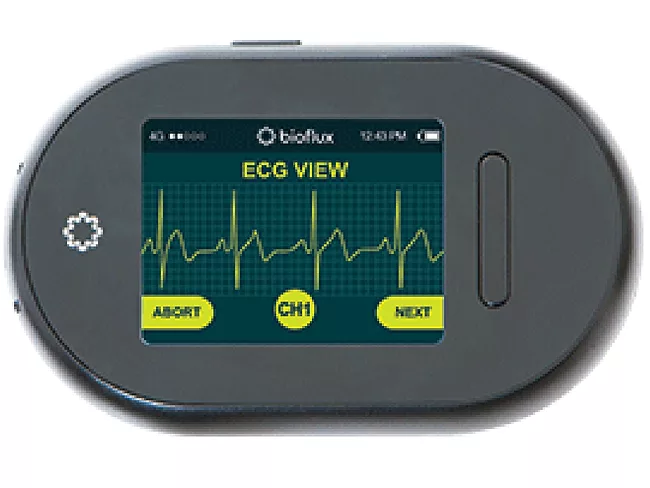
Biotricity Inc. received more than $240,000 in a grant from the U.S. National Heart, Blood and Lung Institute of the National Institutes of Health to launch a study of a new algorithm to be used with its Bioflux device to assess the risk of stroke in patients with chronic kidney disease (CKD).
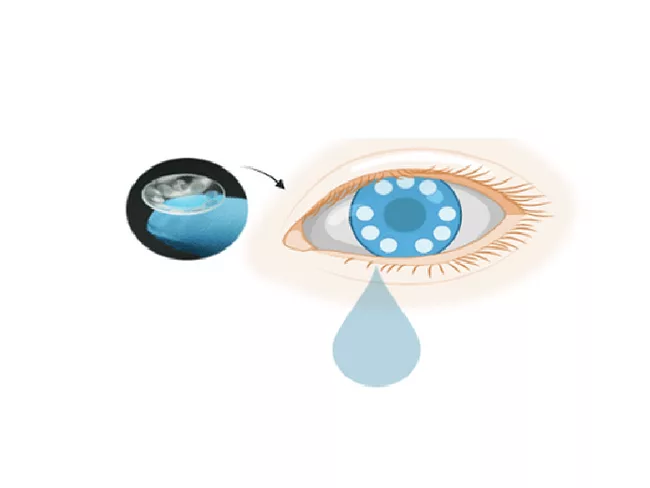
Researchers from the Terasaki Institute for Biomedical Innovation (TIBI) in Los Angeles are developing a contact lens that can capture and detect exosomes. These are nanometer-sized vesicles found in bodily secretions which have the potential to be diagnostic cancer biomarkers. The team published its work and findings in August 2022 in Advanced Functional Materials.
For a company that dominates the market for devices designed to improve breathing during sleep, Royal Philips NV has had the devil of time catching its own breath over the last 15 months as it has issued wave after wave of recalls.
Massachusetts Institute of Technology (MIT) engineers in collaboration with South Korean cosmetic giant Amorepacific Corp. have created a chip-free, wireless electronic “skin” for sensing and transmitting vital medical signs minus larger, clunkier chips or batteries in most smartphones. MIT postdoc Jun Min Suh explained any change to the skin’s conditions, such as an accelerated heart rate, affect the sensor’s mechanical vibrations, generating an electrical signal that automatically transmits medial data to the consumer.

 RSS
RSS