The U.S. FDA has approved the first cell-based gene therapy for treating adult and pediatric patients with beta-thalassemia requiring frequent red blood cell transfusions. The $2.8 million wholesale acquisition cost for the one-time I.V. infusion will make it one of the most expensive drugs in the U.S.
The field of artificial intelligence (AI) is beginning to mature, but this is also becoming a competitive space, with several governmental entities declaring their intent to develop policies to maintain national competitiveness. The U.S. has now entered the fray with a request for information by the International Trade Administration seeking information on policies that might foster the export of AI products developed by U.S. companies, but also on the policies that might enable small and medium enterprises to remain competitive.
Alain Bouaziz, a French citizen and resident of the United Arab Emirates, pleaded guilty Aug. 12 to one count of lying to the U.S. FDA in an attempt to steal a discontinued Novartis AG weight loss drug. The charge carries a maximum prison term of five years and a fine of up to $250,000, or twice the gain or loss caused by the offense, whichever is greatest.
“It’s now law,” U.S. President Joe Biden said after he signed H.R. 5376 Aug. 16. His signature made Medicare drug pricing negotiations a near-term reality, along with new inflationary rebates, new caps on annual out-of-pocket drug spending and monthly insulin copays for Medicare beneficiaries, and tax changes that could affect the bottom line for several multinational drug and device companies beginning next year.
As biopharma and med-tech companies grapple with restrictive data privacy laws in the EU and China while trying to meet the demand for greater diversity reflective of the U.S. population, there’s been more of an interest in conducting clinical trials in the U.S., Stacy Amin, a partner at Morrison & Foerster LLP, told BioWorld.
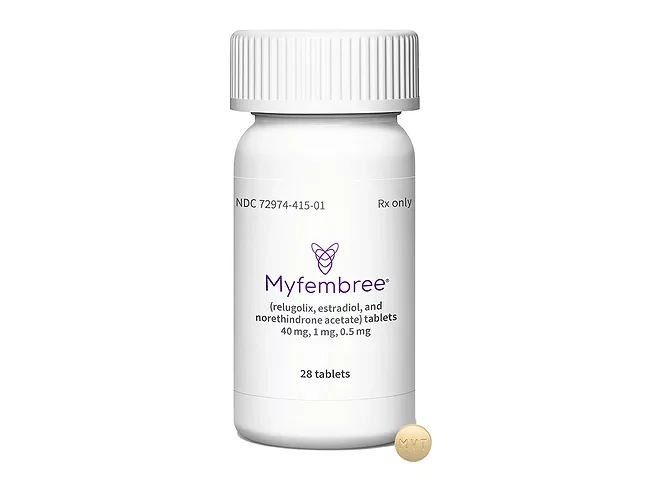
Women now have a new treatment option for dealing with the pain associated with endometriosis with U.S. FDA approval of Myfembree (relugolix/estradiol/norethindrone acetate) for managing moderate to severe pain associated with endometriosis in premenopausal women.
The U.S. FDA granted Preceptis Inc. an expanded clearance for its Hummingbird Tympanostomy Tube System for office-based pediatric ear tube procedures. The device was previously cleared in children 6-24 months, but the new clearance allows in-office procedures in all children six months and older. The minimally invasive device is designed to create an incision so the ear tube can be delivered using a single pass down the ear canal, without the use of general anesthesia.
As expected, the U.S. House of Representatives passed, on a 220-207 party-line vote, a legislative package Aug. 12 that, for the first time, allows Medicare to directly negotiate some prescription drug prices, while imposing severe penalties and an excise tax on companies that refuse to negotiate or don’t comply with the government price.
With the launch of the Mawi Heart Patch in the U.S., physicians and patients have a lightweight, wireless heart monitoring system that provides seven days of cardiac information. Using a disposable two-lead system affixed to the chest, the device provides a detailed report within 24 hours and can reduce time to diagnosis by 97%, Mawi Inc. said.
The question of whether an artificial intelligence (AI) algorithm should enjoy the status of an inventor has been making the rounds in various nations, but the U.S. Court of Appeals for the Federal Circuit has rejected the notion based on a plain reading of the statute. The court said that the statute is unambiguous in that only natural persons can claim inventorship, but the question will be appealed to the Supreme Court, which will have an opportunity to put this debate to rest.

 RSS
RSS