For companies in the life sciences, patent subject matter eligibility has acquired a bad reputation, but the U.S. Patent and Trademark Office (PTO) has attempted to provide administrative workarounds to the problem. PTO director Kathi Vidal said recently, however, that the agency intends to revisit its guidance, just one of several steps the PTO is taking to eliminate some of the drag on patent applications in the U.S.
It’s not a done deal yet, but Teva Pharmaceutical Industries Ltd. has agreed in principle to pay up to $4.25 billion, plus about $100 million to Native American tribes, to end most of the lawsuits it’s facing across the U.S. over its opioid sales. The figure includes settlements the company already has made with some state and local governments, as well as the supply of up to $1.2 billion worth of Teva’s generic naloxone nasal spray.
For companies in the life sciences, patent subject matter eligibility has acquired a bad reputation, but the U.S. Patent and Trademark Office (PTO) has attempted to provide administrative workarounds to the problem. PTO director Kathi Vidal said recently, however, that the agency intends to revisit its guidance, just one of several steps the PTO is taking to eliminate some of the drag on patent applications in the U.S.
The shortage of semiconductor products has plagued the U.S. medical device industry for better than a year, but there is legislation in play in Washington that might bring some relief. The White House held a July 25 briefing during which President Joseph Biden promised his support for the CHIPS Plus Act of 2022, a development that could break a legislative logjam.
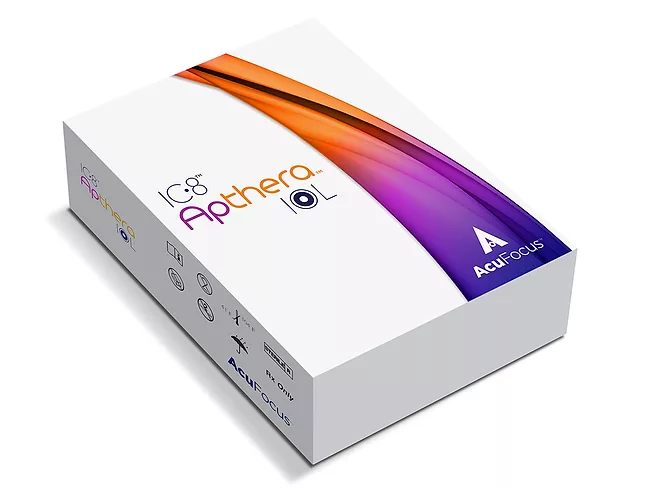
The U.S. FDA gave the greenlight to Acufocus Inc. for its IC-8 Apthera intraocular lens (IOL) for the treatment of cataracts. Like most other IOLs implanted as part of cataract surgery, the small aperture Apthera provides excellent distance vision. It distinguishes itself by also providing clear intermediate and near vision, essentially eliminating the blurring of close objects or words common as people age and develop presbyopia.
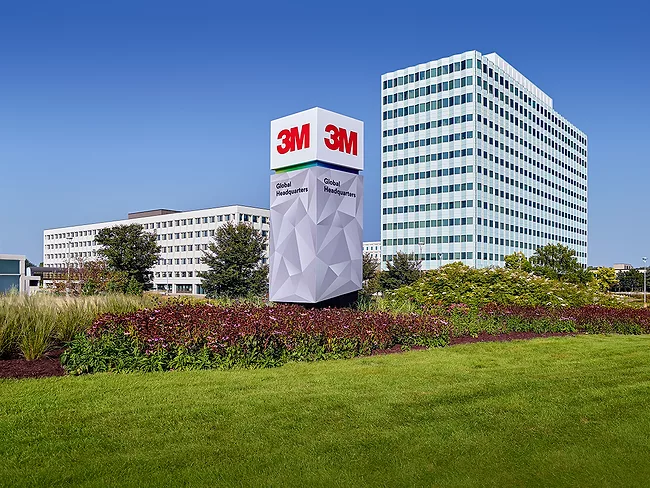
3M Co. reported a planned spinoff of its health care business by 2023, during the company’s second quarter earnings. The health care company will operate as a separate public company focused on wound care, health care IT, oral care and biopharma filtration. 3M said the health care business is expected to be spun off with net leverage of approximately 3.0x to 3.5x EBITDA and the ‘New 3M’ company will retain a stake of 19.9% in health care, which will be monetized over time.
Although Pfizer Inc. has the only drugs approved in the U.S. to treat a rare, progressive heart disease, the U.S. Court of Appeals for the Second Circuit agreed this week with the Department of Health and Human Services, and a lower court, that Pfizer’s proposed copay assistance program for middle-income Americans covered by Medicare would violate the federal Anti-Kickback Statute – even if the company has no “corrupt” intent.
The U.S. Department of Justice (DOJ) reported that Biotronik Inc., of Lake Oswego, Ore., agreed to pay $12.95 million to settle allegations that the company induced cardiologists to use the company’s devices to treat their patients. Among the allegations is that the company paid for physicians’ holiday parties and winery tours that could not be tied to a legitimate business expense.
Insider trading appears to be the U.S. SEC violation du jour. The agency filed insider trading charges against 10 individuals July 25, including a former FBI trainee and his friend who made about $82,000 and $1.3 million, respectively, from illegally trading ahead of the February 2021 announcement of Merck & Co. Inc.’s $1.85 billion tender offer to acquire Pandion Therapeutics Inc.
It was bound to happen someday. With more and more prescription drugs coming to the U.S. market, the FDA is running out of unique combinations for the 10-digit national drug code given to each product.
 RSS
RSS