News that the U.S. FTC is finally going to reexamine the role of pharmaceutical benefit managers (PBMs) and their impact on prescription drug prices and availability is playing to applause from several sectors that have been complaining for years about PBM practices.
The U.S. FDA’s device center continues to promote alternatives to ethylene oxide (EtO) as a medical device sterilant, with the latest development involving radiation as a sterilizing technology. The agency said it may open a new master file program for radiation that follows an existing program that is agnostic as to sterilization method, and which may speed the adoption of alternative sterilization methods in the years ahead. The FDA’s Center for Devices and Radiological Health recently announced a pilot program for alternatives to EtO sterilization that would eliminate a significant number of regulatory filings.
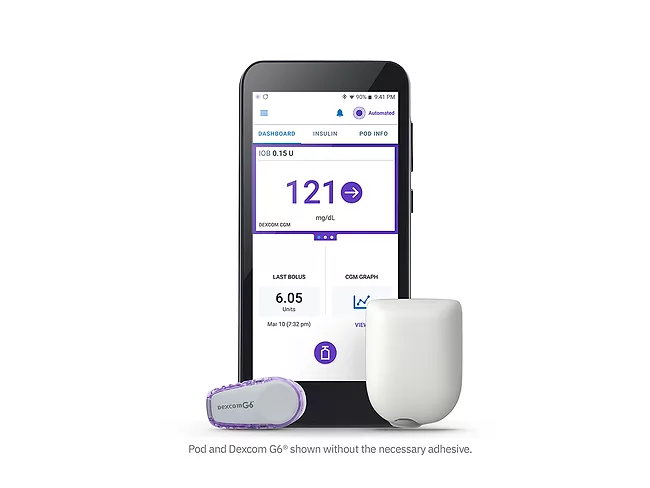
Several companies showed promising results for automated insulin delivery (AID) systems at the American Diabetes Association (ADA) annual meeting in New Orleans. Studies of the systems, also known as artificial pancreas systems, indicate that integration with continuous glucose monitoring (CGM) systems enables substantially improved glycemic control, with more time in range (TIR) and less hypoglycemia than seen with multiple daily injection (MDI) therapy or insulin-pump therapy.
Abbott Laboratories received FDA clearance for its Freestyle Libre 3 continuous glucose monitoring system (CGM) just before the kickoff of the American Diabetes Association (ADA) annual meeting June 3 followed by breakthrough device designation for a combined CGM and continuous ketone monitoring system.
The U.S. FDA’s accelerated approval path is front burner these days, what with Congress looking to modernize the path through provisions added to the must-pass user fee legislation, the controversy still boiling over the FDA’s accelerated approval last year of Biogen Inc.’s Alzheimer’s drug, Aduhelm (aducanumab), and a number of recent withdrawals of drugs granted accelerated approval years ago.
Given the safety and efficacy data presented June 7 for Novavax Inc.’s COVID-19 vaccine, NVX-CoV2373, it came as no surprise when the U.S. FDA’s Vaccines and Related Biologic Products Advisory Committee voted 21-0, with one abstention, to support an emergency use authorization for the vaccine, which is already approved and being used in many other countries, including the EU and Canada.
Although the death toll in the U.S. is nearing 1 million lives lost, signs continue to suggest that an end is in sight for the COVID-19 pandemic, the most disruptive global health crisis in a century. Now, into its third year, those at-risk have numerous options and growing numbers of people have achieved immunity through vaccines and infection.
The International Medical Device Regulators Forum (IMDRF) has posted a draft guidance for cybersecurity practices for legacy devices, a nod to the number of older devices that are difficult to secure. This document is a follow-up to a standing IMDRF guidance that spans the product life cycle, but which apparently left stakeholders with a few questions.
Drug and device makers are necessarily wary of any activities that could lead to prosecution under the False Claims Act (FCA), but seemingly innocuous activities are now fair game for federal prosecutors. The latest example is the FCA prosecution of Caris Life Sciences for filing claims for cancer tests outside the 14-day post-discharge window, and Mark Gardner, directing attorney at Gardner Law of Stillwater, Minn., told BioWorld that device makers should be on the alert because it appears that federal authorities are ramping up enforcement.
Shares of Novavax Inc. dropped 19% after briefing documents released ahead of the U.S. FDA’s June 7 advisory committee raised concerns about risks of myocarditis associated with COVID-19 vaccine NVX-CoV2373, though reviewers also noted the vaccine could offer protection against the omicron variant. The stock (NASDAQ:NVAX) closed June 3 at $44.76, down $11.21.
 RSS
RSS