Eli Lilly and Co.'s tirzepatide, a high-profile entrant in the global anti-obesity race, hit a key milestone, becoming the first investigational medicine to deliver more than 20% weight loss on average for non-diabetics in a phase III study, said Jeff Emmick, vice president of product development at the company.
Making his first in-person appearance April 27 before the House Energy and Commerce Subcommittee on Health, U.S. Health and Human Services Secretary Xavier Becerra was prepared to answer questions about President Joe Biden’s fiscal 2023 budget that would increase HHS’ discretionary budget to $127 billion, nearly a 27% increase over the 2021 enacted level.
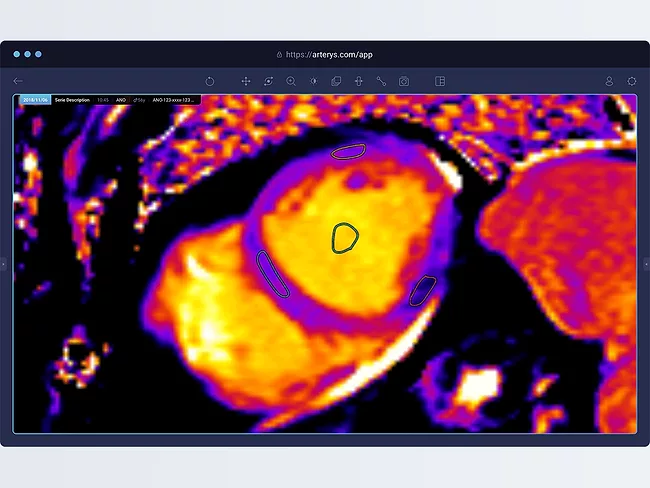
Yes, getting FDA 510(k) clearance for your medical device is something to cheer about. But consider Arterys Inc. It just reported its eighth FDA clearance, this time for a next generation, deep learning cardiac analytics platform. The Cardio AI’s purpose, Arterys CEO John Axerio-Cilies told BioWorld, is to leverage artificial intelligence (AI) and deep learning for analysis of cardiac MRI images that is faster, more accurate and repeatable than ultrasound and other imaging modalities.
The American Society of Clinical Oncology (ASCO) updated its guidelines to recommend use of Biotheranostics Inc.’ Breast Cancer Index (BCI) molecular gene-expression test to aid decisions on extended endocrine therapy in certain patients with the most common type of breast cancer.
In the second of two hearings before the U.S. Senate Health, Education, Labor and Pensions Committee on the next iteration of the FDA drug and device user fee agreements, the focus was supposed to be on advancing regulation and innovation. But Ranking Member Richard Burr (R-N.C.) shifted the spotlight April 26 to accountability in his opening remarks and subsequent questioning.
There may be no COVID-19 vaccines authorized yet in the U.S. for the youngest children, but there’s now an approved treatment for some children who are already sick with an infection.
Recognizing that patient views about the tradeoffs of using one drug over another may differ from those of doctors, the U.S. FDA’s Office of Prescription Drug Promotion is proposing to examine those tradeoffs in an analysis involving fictitious prescription drugs for type 2 diabetes and psoriasis.
The U.S. FDA wants feedback on its latest idea to reduce the number of unused prescription opioids shelved in American homes: requiring prepaid mail-back envelopes to be dispensed with the painkillers.
Sponsors developing PI3K inhibitors to treat hematologic malignancies in the U.S. may have to up their game if they want to get FDA approval. The Oncologic Drugs Advisory Committee voted 16-0, with one abstention, that future approvals of the drugs should be supported by randomized data. Given the FDA’s briefing document ahead of the April 21 meeting and its presentations to the committee, the agency is likely to follow that recommendation.
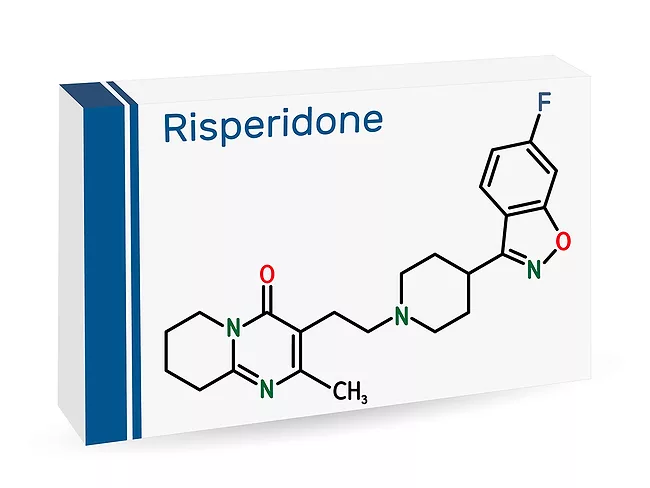
Shares in Medincell SA dropped 29.1% Apr. 20 on news that the U.S. FDA slapped a complete response letter (CRL) on an NDA for an extended release, long-acting formulation of risperidone, which it is co-developing with Teva Pharmaceuticals Industries Ltd. as a maintenance treatment for schizophrenia.
 RSS
RSS