Pfizer Inc. emerged over the weekend as the winner of the bidding war for Metsera Inc., with the two reaching an amended agreement after market close Nov. 7 that values the obesity drugmaker at about $10 billion. The next day, the other contender, Novo Nordisk A/S, confirmed it does not intend to increase its most recent offer.
CEO Lynn Seely said Lyell Immunopharma Inc. is going “full steam ahead” with development of rondecabtagene autoleucel (ronde-cel, also known as LYL-314) amid the excitement of the firm’s latest news: the buy of global rights to LYL-273, an autologous guanylyl cyclase-C-targeted CAR T-cell candidate for metastatic colorectal cancer (mCRC), from Innovative Cellular Therapeutics Inc. (ICT) for an up-front payment of $40 million and 1.9 million shares of Lyell common stock.
Cogent Biosciences Inc. is now lining up two NDA submissions for its tyrosine kinase inhibitor bezuclastinib in treating two forms of cancer. Cogent intends to submit an NDA for bezuclastinib, a tyrosine kinase inhibitor that targets and inhibits mutated KIT proteins, specifically KIT D816V, in the first half of 2026 to treat gastrointestinal stromal tumors. That will follow the company’s plans for an NDA submission for bezuclastinib in treating non-advanced systemic mastocytosis before the end of 2025.
Shares of Mountain View, Calif.-based Heartflow Inc. have oscillated significantly over the past three months, but the results of a study of the company’s plaque staging system have breathed new life into the company’s shares, boosting them by 7% in Nov. 10 trading.
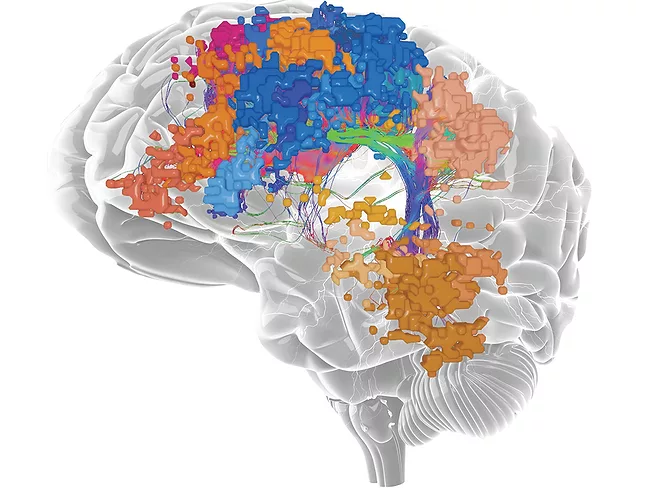
Synchron Inc.'s recent $200 million raise for its Stentrode brain-computer interface platform comes at a pivotal time for the technology. Advances in BCI development, ongoing clinical trials and growing market demand are drawing increased investor interest in the technology which has the potential to transform the lives of millions of people. At the same time, government agencies are closely monitoring the field, recognizing the potential while urging caution about the risks involved.
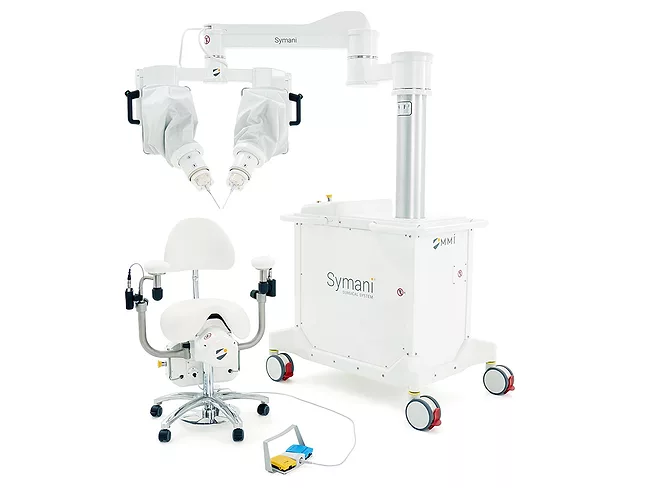
Medical Microinstruments Inc., reported the U.S. FDA approval of an investigational device exemption for a study using its Symani surgical system for treating Alzheimer’s disease, one of its earliest forays into the brain.
San Francisco Bay Area researchers from UC Berkeley, UC San Francisco and Stanford University have combined their technologies to create Azalea Therapeutics Inc., a company focused on editing cells in vivo.
Phase II data being presented at the American Association for the Study of Liver Diseases annual meeting indicate drug development in the field of metabolic dysfunction-associated steatohepatitis (MASH) is making steady progress.
A primary endpoint failure but with outstanding estimated glomerular filtration rates and impressive safety data in the phase II trial called Bestow are adding up to plans for later-stage work with Eledon Pharmaceuticals Inc.’s tegoprubart (tego) for preventing rejection in de novo kidney transplant.
UNESCO has adopted the first set of global standards on the ethics of neurotechnology amid the rapid advancement in the development of the technologies and increasing investor interest. These standards, which take effect on Nov. 12, 2025, establish safeguards to ensure that neurotechnology improves the lives of those who need it the most without compromising human rights.
 RSS
RSS