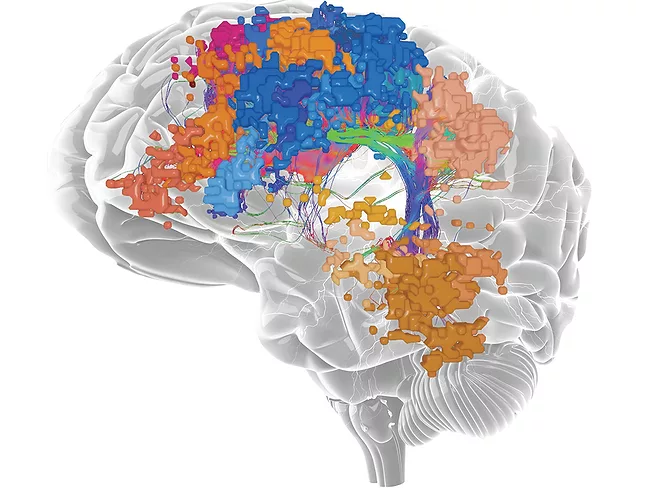
UNESCO has adopted the first set of global standards on the ethics of neurotechnology amid the rapid advancement in the development of the technologies and increasing investor interest. These standards, which take effect on Nov. 12, 2025, establish safeguards to ensure that neurotechnology improves the lives of those who need it the most without compromising human rights.
Takeda Pharmaceutical Co. Ltd.’s anti-CD38 antibody, mezagitamab (TAK-079), sustained kidney function up to 18 months after treatment ended in patients with primary immunoglobulin A (IgA) nephropathy, showing early signs of disease modification in a phase Ib study presented at the American Society of Nephrology’s Kidney Week 2025 in Houston.
On Nov. 5, the Chinese Ministry of Commerce reported it would lift the export ban on Illumina Inc., which had been in place since March 4. While the ban will be lifted starting Nov. 10, Illumina remains on the unreliable entities list, requiring government approval for instrument purchases.
The U.S. Patent and Trademark Office (PTO) has resurrected a previous policy that requires parties to a proceeding at the Patent Trial and Appeals Board to disclose all the parties of interest in the proceeding. PTO said this shift is driven in part by national security considerations, but the reversal forces participants in PTAB proceedings to disclose the identity of any affiliates that may have an interest in the outcome lest the petition for an administrative hearing be denied.
Industry watchers were surprised when Eli Lilly and Co.’s oral GLP-1 candidate, orforglipron, did not appear among the first nine recipients of the U.S. FDA’s commissioner’s national priority voucher (CNPV) program aimed at shortening regulatory review times, boosting domestic manufacturing and improving affordability. But orforglipron, which recently nailed endpoints in a second phase III trial and has been hailed a potentially best-in-class compound, was among the second batch of six drugs added to the CNPV list.
San Francisco Bay Area researchers from UC Berkeley, UC San Francisco and Stanford University have combined their technologies to create Azalea Therapeutics Inc., a company focused on editing cells in vivo.
With strong phase II data in hand from its trial testing EVO-756 in chronic inducible urticaria (CIndU) – hives triggered by a specific cause – Evommune Inc. priced its IPO of about 9.3 million shares at $16 each, granting underwriters a 30-day option to buy as many as about 1.4 million more. Proceeds are expected to total $150 million, and shares of the firm (NYSE:EVMN) came out of the gate strong, closing Nov. 6 at $20.23, up 26%.
Eli Lilly and Co.’s amylin receptor agonist, eloralintide, showed impressive weight loss and improved tolerability in phase II results reported at ObesityWeek 2025, setting the stage for a phase III trial to start next month. The once-weekly drug demonstrated superior mean weight reductions from 9.5% to 20.1% vs. only 0.4% for placebo over 48 weeks, with all treatment arms meeting the primary endpoint, mean percent change in body weight from the average baseline of 240.5 lbs. (109.1 kg).
Hailing it as a win-win and a historic step forward in fighting chronic disease, the Trump administration announced pricing agreements Nov. 6 with Eli Lilly and Co. and Novo Nordisk A/S that will expand the availability of the companies’ weight loss drugs by cutting prices and, for the first time, providing coverage for the drugs in obesity through Medicare and Medicaid.
The U.S. FDA’s attempts to harmonize with other nations on quality management received a dose of good news recently when the International Organization for Standards decided to stand pat on ISO 13485, which also leaves the FDA’s Quality Management System Regulation intact.
 RSS
RSS