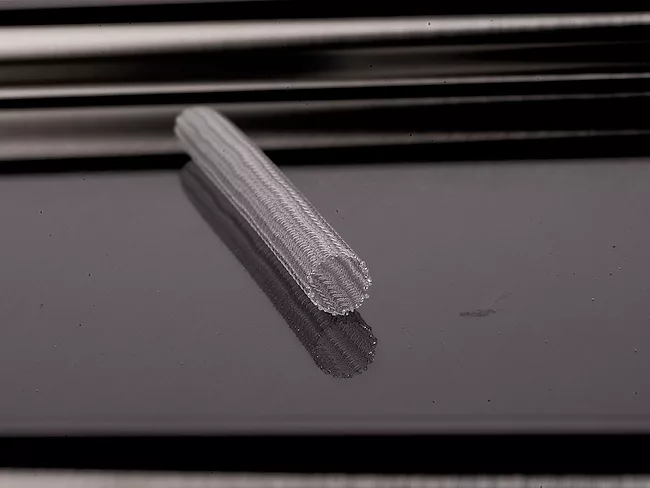
Woven Orthopedic Technologies LLC secured a second U.S. FDA 510(k) clearance for the use of its Ogmend implant enhancement system in spine surgery. The approval is for the large size Ogmend sleeve which is compatible with pedicle screws up to 10.5 mm and will give surgeons a tool to be able to easily secure stable fixation between the screw and bone during orthopedic surgery.
Abbvie Inc.’s blockbuster drug Humira is getting a 10th challenger that could give all the other adalimumab biosimilars a run for their money – depending on pricing and formulary coverage, of course. After delays caused by the COVID-19 pandemic and manufacturing issues, the U.S. FDA approved Simlandi, previously known as AVT-02, as a Humira biosimilar and interchangeable Feb. 23.
SK Bioscience Co. Ltd. of Seongnam-si, South Korea, gained the World Health Organization’s (WHO) prequalification certification for typhoid conjugate vaccine, Skytyphoid (NBP-618), on Feb. 23. Skytyphoid conjugates a polysaccharide of typhoid bacteria, which serves as an antigen, to a diphtheria toxin protein called diphtheria toxoid that acts as a carrier.
Korean neurodegenerative disease-focused Aribio Co. Ltd. gained the U.K.’s regulatory clearance to start the phase III Polaris-AD trial on AR-1001 (mirodenafil), an investigative therapy for early Alzheimer’s disease (AD). The U.K.’s Medicines and Healthcare products Regulatory Agency gave notice of acceptance to Seoul, South Korea- and San Diego-based Aribio for the clinical study on Feb. 21 after “confirming a favorable ethical opinion,” Aribio said. AR-1001 is an oral phosphodiesterase-5 inhibitor under development to treat early AD.
Australia’s Therapeutic Goods Administration (TGA) proposed in July 2023 to develop a framework for audits for premarket device applications, but the Medical Technology Association of Australia (MTAA) registered several concerns about the proposal.
In recent years, the U.S. Congress has come to rely unduly on continuing budget resolutions to fund government operations, and fiscal year 2024 is no exception. The current continuing resolution (CR) for the FDA budget is set to expire March 1, but there is concern that Congress will resort yet again to a CR to cover the balance of fiscal 2024, a predicament which suggests that the FDA’s appropriations may be flat relative to fiscal year 2023.
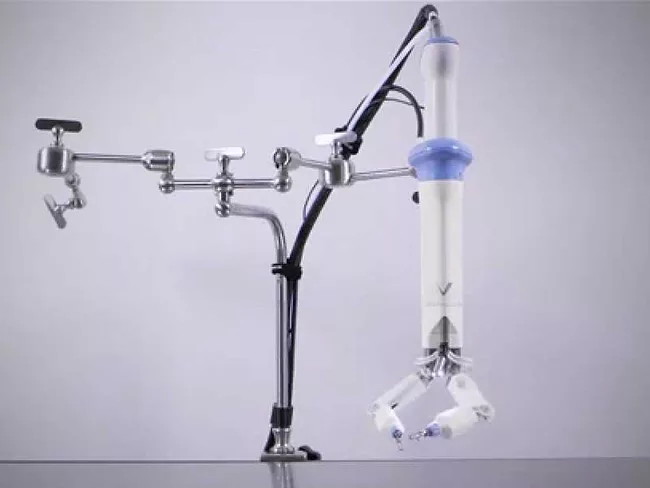
The U.S. FDA granted Virtual Incision Corp. de novo marketing authorization for its miniaturized in vivo robotic assistant for use in colectomy procedures in adults. The two-pound device offers portability and quick setup, eliminating the need for specialized operating rooms or arrangements to accommodate robotics.
The good news is that the U.S. FDA’s complete response letter (CRL) for Venatorx Pharmaceuticals Inc.’s intravenous antibiotic combination, cefepime-taniborbactam, in complicated urinary tract infections (cUTIs) requested no additional clinical testing. The bad news is the inevitable delay for a drug Venatorx and partner Melinta Therapeutics Inc. are aiming to position as a much-needed option for the fight against drug-resistant gram-negative infections.
Chief executives of U.K. medical research charities have issued a call for speedier uptake and more equitable access to new drugs that have received a cost-effectiveness seal of approval from the National Institute for Health and Care Excellence. In a joint report with the Association of the British Pharmaceutical Industry, the heads of eight charities examined a number of cases where access has been limited and set out recommendations to address the challenges of equity, uptake and health inequalities.
Seven new therapies, including two influenza vaccines, were recommended for approval by the EMA’s Committee for Medicinal Products for Human Use during its February 2024 meeting. One of these was sparsentan by CSL Vifor Pharma Inc. and Travere Therapeutics Inc. for the treatment of IgA nephropathy (IgAN), for which the committee has awarded conditional marketing authorization.
 RSS
RSS