Roche Holdings AG received CE-mark for the Kidney Klinrisk algorithm, an AI-based tool developed in collaboration with Klinrisk Inc. to stratify risk and assess the progressive decline in kidney function. The software will help clinicians to make more informed decisions when accessing adults with chronic kidney disease as well as individuals with diabetes or hypertension who are at elevated risk of kidney function decline.
More than a decade after the last idiopathic pulmonary fibrosis (IPF) treatment gained U.S. FDA approval, Boehringer Ingelheim GmbH’s Jascayd (nerandomilast) is set to hit the market following the agency’s green light on Oct. 7. While expected to offer a modest benefit over existing therapies, Jascayd, an orally administered preferential inhibitor of phosphodiesterase 4B with breakthrough therapy status, is viewed by analysts as the first of several potential advancements in the IPF space over the next few years.
Bryet US Inc. has received Australian Human Research Ethics Committee (HREC) approval for its first-in-human study of ML-016 for patients with advanced cancer with lung and/or liver involvement. Enrollment in the phase I/II trial will begin early next year.
Johnson & Johnson Medtech won out over a jury verdict that found the company’s Depuy Synthes liable for $20 million for infringing a patent claimed by Rasmussen Instruments LLC.
Even though the U.S. CDC is operating on a skeleton crew due to the partial government shutdown, it is updating its immunization schedules to adopt the COVID-19 and chickenpox vaccine recommendations the Advisory Committee on Immunization Practices (ACIP) made at its September meeting.
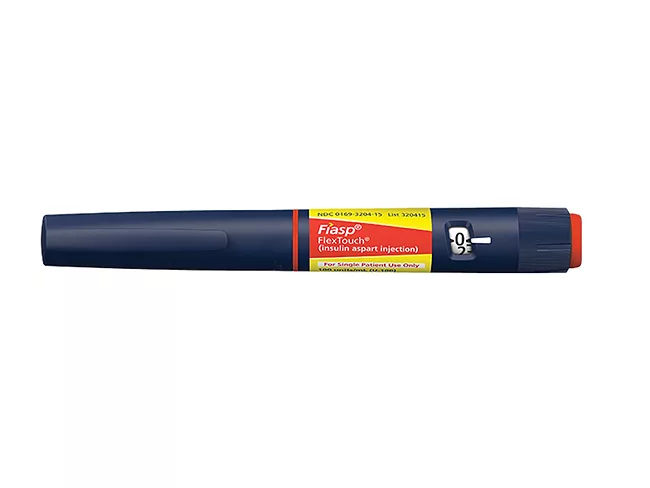
Like the federal district court before it, the U.S. Court of Appeals for the Third Circuit said it lacks jurisdiction to rule on the merits of Novo Nordisk A/S’ claim that the CMS violated the Inflation Reduction Act (IRA) when it treated six of the company’s insulin aspart products as one negotiation-eligible single-source drug.
Lexeo Therapeutics Inc. feels like it’s in a faster lane to a BLA for its Friedreich ataxia cardiomyopathy gene therapy after talking with the U.S. FDA. The agency told Lexeo that LX-2006 could be on the accelerated approval path if there is a mingling of the company’s data and studies.
The FDA has cleared AD-NP1, a drug developed by University of California, Los Angeles (UCLA) for heart tissue regeneration, to enter clinical trials. The monoclonal antibody blocks the production of ENPP1 protein, which was found to interfere with healing after a heart attack.
 RSS
RSS