The FDA has granted Plus Therapeutics Inc. fast track designation for its lead candidate, Rhenium Nanoliposomes (RNL), for treating recurrent glioblastoma, propelling it into the sixth cohort of a phase I dose-finding trial.
B-Temia Inc.’s Keeogo mobility device is on the move in the U.S. now that it has received 510(k) clearance from the U.S. FDA. Unlike currently available exoskeletons that move for patients, the Keeogo (keep on going) Dermoskeleton system amplifies signals from patients who can initiate movement but need additional assistance.
Avinger Inc. has received U.S. FDA clearance for a its Ocelaris next-generation, image-guided chronic total occlusion (CTO) crossing system for patients with peripheral artery disease (PAD). The catheter-based system, which will be sold under the brand name Tigereye, provides real-time imaging from within the vessel during a CTO-crossing procedure. It will be available on a limited basis beginning later this year.
The rescission order directing the U.S. FDA to abandon regulation of lab-developed tests is scarcely three weeks in the past, but two senior managers at the FDA are pushing back in an editorial appearing in the New England Journal of Medicine. The FDA’s Jeff Shuren and Tim Stenzel wrote that there is “a need for a common legislative framework” to ensure clinical tests are accurate and reliable, which implicitly concedes that the statute does not authorize the agency to regulate lab-developed tests.
The second day of the U.S. FDA’s orthopedic devices advisory panel included a proposal to down-classify semi-constrained toe joint prostheses as class II devices, but the panel was adamant that such devices be slotted in class III, with one panelist referring to the literature for these devices as “garbage.”
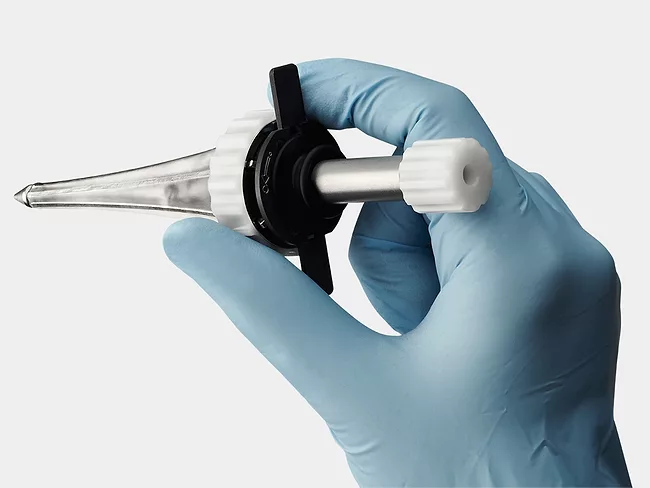
Minnetronix Medical Inc. has won the U.S. FDA’s nod for its Mindseye Expandable Port for neurosurgical procedures. The company touts the device as the first minimally invasive, retractable deep brain access system for use in the treatment of stroke, cancer and other conditions.
Medtronic plc is celebrating its latest win following the U.S. FDA’s approval of an early feasibility study (EFS) of the Intrepid transcatheter tricuspid valve replacement system in patients with severe, symptomatic tricuspid regurgitation. The action comes after the agency granted breakthrough device designation for the system.
The agenda for the U.S. FDA’s Sept. 8-9 advisory hearing includes a proposed down-classification of bone growth stimulator (BGS) devices to class II, but while the proposal met some resistance from an industry group, the panel sided with the FDA and declared BGS units ready for prime time as 510(k) devices.
LONDON – Gyroscope Therapeutics Ltd. is poised to move the field of ocular gene therapy on from the treatment of inherited rare diseases to address more common eye conditions, after receiving FDA 510(k) clearance for its Orbit SDS subretinal delivery device.
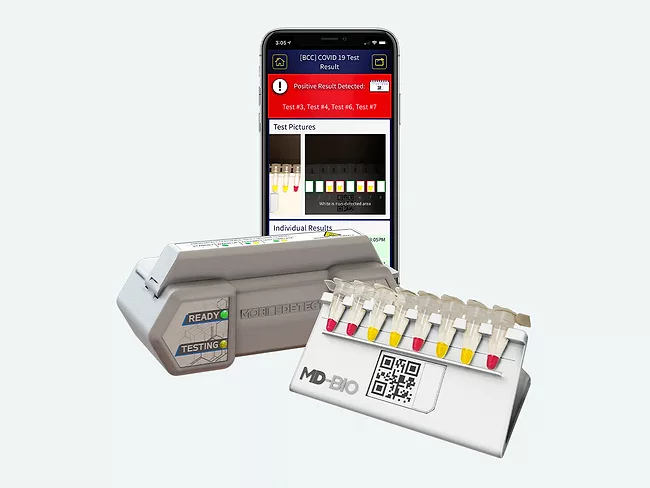
Detectachem Inc. has scored an emergency use authorization (EUA) from the U.S. FDA to market a new molecular RNA test kit for SARS-CoV-2 that provides color-coded results in about 30 minutes.

 RSS
RSS