The agenda for the U.S. FDA’s Sept. 8-9 advisory hearing includes a proposed down-classification of bone growth stimulator (BGS) devices to class II, but while the proposal met some resistance from an industry group, the panel sided with the FDA and declared BGS units ready for prime time as 510(k) devices.
LONDON – Gyroscope Therapeutics Ltd. is poised to move the field of ocular gene therapy on from the treatment of inherited rare diseases to address more common eye conditions, after receiving FDA 510(k) clearance for its Orbit SDS subretinal delivery device.
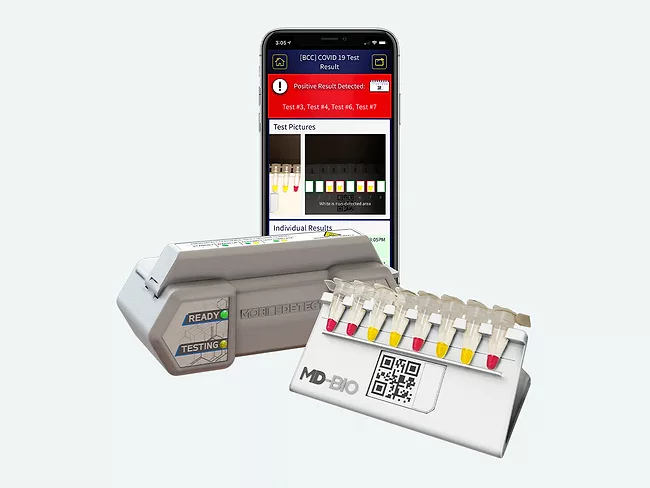
Detectachem Inc. has scored an emergency use authorization (EUA) from the U.S. FDA to market a new molecular RNA test kit for SARS-CoV-2 that provides color-coded results in about 30 minutes.
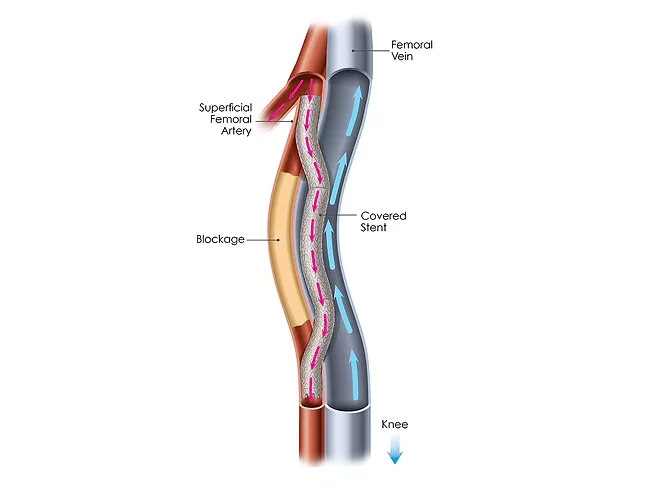
Pq Bypass Inc. received breakthrough device designation from the FDA for its Detour system, the first to permit fully percutaneous femoropopliteal bypass to treat extremely long, complex blockages in the superficial femoral artery (SFA). “This designation is a major milestone for Pq Bypass, and we expect this technology to change the paradigm for complex SFA treatment in the way EVAR and TAVR changed the paradigm for aortic repair,” said Rich Ferrari, chairman and CEO of Pq Bypass.
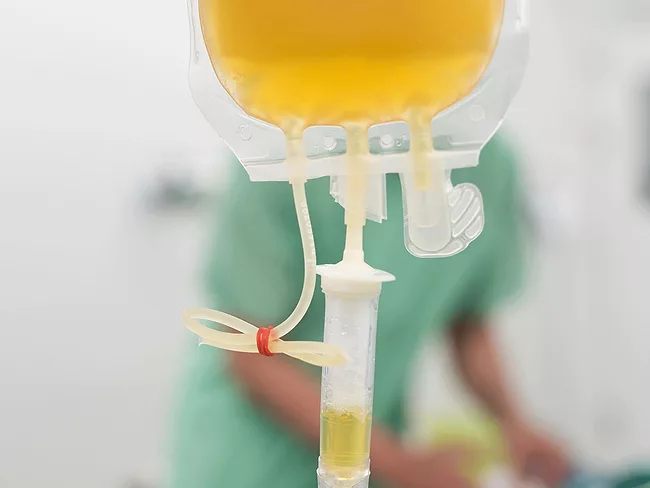
While the emergency use authorization (EUA) the FDA granted Aug. 23 for convalescent plasma remains a political talking point, the agency moved ahead Sept. 2, issuing an updated, immediately effective guidance on the use of convalescent plasma to treat COVID-19 patients in ongoing clinical trials, on an expanded access basis or under the EUA.
The need for self-administered surveillance testing finally has a few candidates, thanks to labs and test developers across the globe, and the U.S. FDA is keen on exploiting the opening. Tim Stenzel, director of the FDA’s Office of In Vitro Diagnostics and Radiological Health, said on the agency’s Sept. 2 testing town hall that the agency is interested in a test intended to be self-administered multiple times compared to a test validated under a single test approach, a flexibility that may prove critical in advancing the U.S. approach to testing for the COVID-19 pandemic.
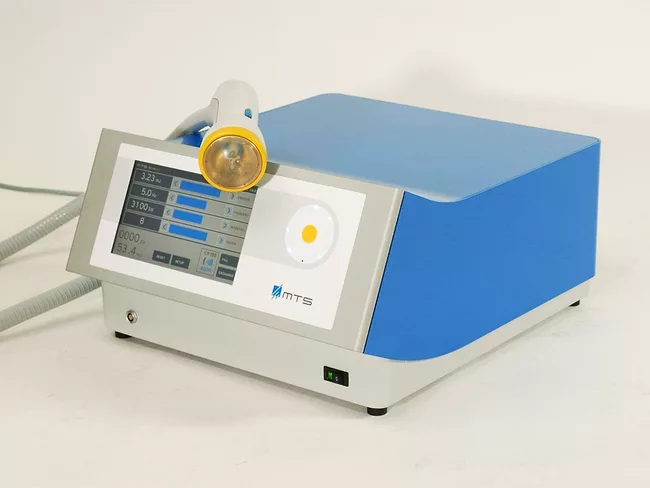
Tissue Regeneration Technologies LLC (TRT) has nabbed U.S. FDA 510(k) clearance of its Orthogold 100 device for the treatment of superficial burns. The patented Softwave technology uses an unfocused extracorporeal shock wave to spur a physical and biological response that aids in wound healing. The FDA cleared the device for the treatment of superficial, partial-thickness, second-degree burns in adults.
The U.S. FDA has given the green light to Roche Group for its Cobas HIV-1/HIV-2 Qualitative test for use on Cobas 6800 and 8800 systems. The test is the first FDA-approved, fully automated polymerase chain reaction (PCR) test that detects and differentiates between human deficiency virus type 1 (HIV-1) and HIV-2, as well including claims for pregnant women and children.
Baxter International Inc. has scored a win from the U.S. FDA, which has granted the de novo application for Theranova, the company’s novel dialysis membrane. For his part, Cowen’s Josh Jennings noted that de novo designations are rare in the dialysis space, echoing a company statement. “We think the de novo classification strengthens any argument for the uniqueness of the technology, which should help its commercial experience,” he added. “BAX had expected an FDA clearance in [second half of] '20, so this action falls on the early end of that range.”
The U.S. Centers for Medicare and Medicaid Services (CMS) capped off the month of August 2020 with one of the more significant Medicare coverage documents in recent memory. The more immediately impactful part of the proposed rule would offer immediate coverage for devices approved or cleared under the FDA’s breakthrough devices program, but the broader element of this proposed rule offers a definition for the term “reasonable and necessary,” a development that itself constitutes a breakthrough in the world of Medicare coverage of medical technology.
 RSS
RSS