Neurovascular bioelectronics medicine company Synchron Inc. has received good news in the form of a breakthrough device designation for its Stentrode. The U.S. FDA granted the designation for the fully implantable medical device that can translate brain activity or stimulate the nervous system from inside a blood vessel. As a bonus for patients, the device does not require open brain surgery. “As this is a first-of-its-kind device, we look forward to working closely with the FDA to prioritize development of the Stentrode and ensure access for patients with paralysis, as well as lay the groundwork for future indications for brain-computer interfaces,” said Thomas Oxley, CEO of Synchron.
Foundation Medicine Inc.’s string of 2020 wins continues, with the U.S. FDA giving its thumbs up to Foundationone Liquid CDx, the company’s comprehensive pan-tumor liquid biopsy test.
The U.S. Department of Justice (DOJ) unveiled two interim final rules intended to deal with enforcement activities in connection with policies enunciated over the past four years, including the so-called Brand memo, which banned federal prosecutors from using federal agency guidance as leverage in prosecutions of private-sector entities.
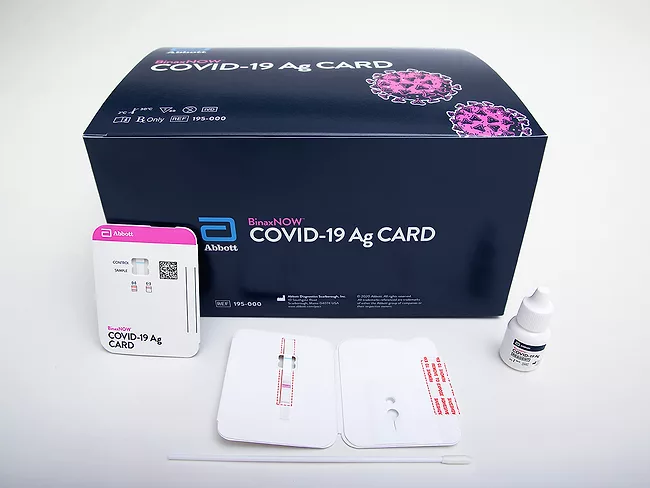
The U.S. FDA has cleared the way for Abbott Laboratories sixth COVID-19 test, a near-patient, point-of-care antigen test that gives results in 15 minutes and can be run without laboratory equipment. The company has priced the Binaxnow COVID-19 Ag Card rapid test at $5 and is offering a complementary mobile app that allows people to display their test results when asked by organizations for verification.
Regenerative therapies startup Jointechlabs Inc. has won the U.S. FDA’s nod for its MiniTC point-of-care fat tissue processing device. The 510(k)-cleared product is designed to extract microfat for use in grafts for a variety of indications, including medical aesthetics, plastic surgery, orthobiologics and wound healing.
A number of controversies have swirled around the U.S. FDA’s handling of the COVID-19 pandemic, including the question of the emergency use authorization (EUA) program for testing. The FDA’s Tim Stenzel said on an Aug. 26 testing town hall that he would not answer questions about the rescission order for FDA regulation of lab-developed tests (LDTs), but also said, “we are simply overwhelmed” with EUA filings for testing.
The truth that every action has a reaction is being proven again in the public square of the U.S. as the shrill, endless clamor of politicians hoping to score against their opponents via health care issues or accomplishments threatens to undermine confidence in the FDA, the products it approves and even the guidance offered by the Centers for Disease Control and Protection (CDC). In the past, politicians from both parties blamed “greedy” biopharma companies and self-appointed social influencers for patients refusing to fill prescriptions, get tested or be immunized. Now they have themselves to blame.
The truth that every action has a reaction is being proven again in the public square of the U.S. as the shrill, endless clamor of politicians hoping to score against their opponents via health care issues or accomplishments threatens to undermine confidence in the FDA, the products it approves and even the guidance offered by the Centers for Disease Control and Protection (CDC). In the past, politicians from both parties blamed “greedy” biopharma companies and self-appointed social influencers for patients refusing to fill prescriptions, get tested or be immunized. Now they have themselves to blame.
As of Aug. 13, more than 90,000 patients hospitalized in the U.S. with COVID-19 already had been given access to convalescent plasma through a national expanded use protocol (EAP) sponsored by the Mayo Clinic. The FDA’s decision Sunday to grant emergency use authorization (EUA) for the potential therapy will further expand access to convalescent plasma for hospitalized patients throughout the country at a time when fully approved COVID-19 treatments are nonexistent and even EUAs are few and far between.
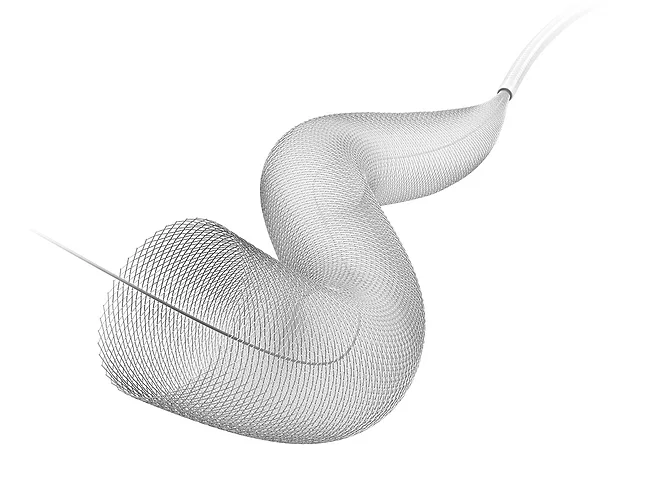
Stryker Corp. has launched its Surpass Evolve flow diverter following an earlier U.S. FDA approval. According to the company, it is the first 64-wire cobalt chromium flow diverter in the U.S. designed to redirect blood flow and promote aneurysm healing. Ajay Wakhloo, the first physician to complete a commercial case in the U.S., noted that the offering builds on Stryker’s Surpass Streamline. “By increasing the braid angle, the novel 64-wire device delivers excellent flow diversion and a highly flexible implant for enhanced vessel wall contact. The higher mesh density of Surpass Evolve vs. traditional 48-wire flow diverters may lead to faster aneurysm occlusion for patients," Wakhloo said.
 RSS
RSS