With massive terminations, data removals, holds on U.S. government funding, cancellation of various programs and meetings, the potential for 25% tariffs on medical products and a multitude of court challenges and appeals, the dust is flying thick at the FDA, NIH and throughout the Department of Health and Human Services (HHS).
Coming as no surprise, the U.S. Senate’s Feb. 13 confirmation of Robert Kennedy as the next secretary of the Department of Health and Human Services (HHS) did nothing to ease the uncertainty hanging over the FDA and other HHS agencies.
The immediate implementation of the U.S. NIH’s guidance to cut indirect costs included in its grants to 15% was quickly halted late Feb. 10 when a federal district judge granted a nationwide temporary restraining order in two separate challenges to the cuts that were to go into effect that day on all existing and new NIH grants.
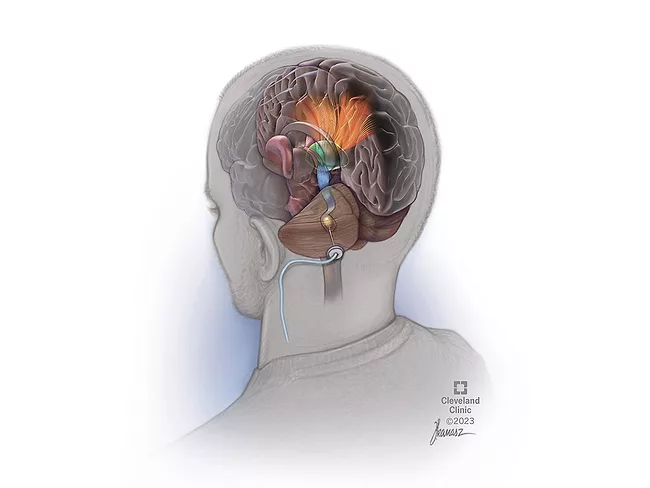
Newronika SpA's AlphaDBS recently secured an investigational device exemption from the U.S. FDA allowing it to begin a pivotal trial to evaluate the safety and efficacy of its adaptive deep brain stimulation system in patients with movement disorders, including Parkinson's disease.
The second Trump administration already left a large footprint on the administrative state as it took on trading nations with tariffs that affect device makers. Among these controversies is the question of whether gender should be included in regulatory considerations, such as in the case of a recent update on a 2014 guidance that has been removed from the device guidance webpage.
The U.S. FDA’s device center hasn’t issued news bulletins or guidances in the past week, but the march of device recalls continues apace in the month of February.
When the U.S. CDC and FDA recently removed several webpages and datasets from their websites in compliance with a directive from the Office of Personnel Management, they broke the law and harmed public health and research, according to a lawsuit filed Feb. 4 by Doctors for America.
U.S. federal law is still lacking where AI is concerned, but California’s attorney general issued a bulletin that elevates the legal hazards of AI in medical use. The bulletin says that AI tools may not supplant a physician’s decision-making, a provision that would seem to render some FDA-cleared products illegal there.
Essilorluxottica SA received U.S. FDA clearance for its over-the-counter Nuance Audio Glasses, which combines sight and sound technologies, to help people improve their vision and hearing. The device also received a CE mark certification under the Medical Devices Regulation from the EU authorities.
A pair of investor calls on Jan. 22 added clarity to the rapidly evolving cardiac ablation market with Abbott Laboratories and Johnson & Johnson providing updates on their pulsed field ablation programs. Both outlined challenges in the U.S. market that continue to place them at a disadvantage compared to current market leaders Boston Scientific Corp. and Medtronic plc, though bright spots also shone through.
 RSS
RSS