In a move that undoubtedly has the unspoken support of the medical device industry, the U.S. Environmental Protection Agency (EPA) reported it will revisit several rules governing emissions that affect a broad swath of industries.
The U.S. FDA gave the green light to Nanosonics Ltd.’s Coris system via de novo clearance for reducing infection risk by delivering improved cleaning outcomes for flexible endoscopes, especially the complex channels of endoscopes that are prone to biofilm build up.
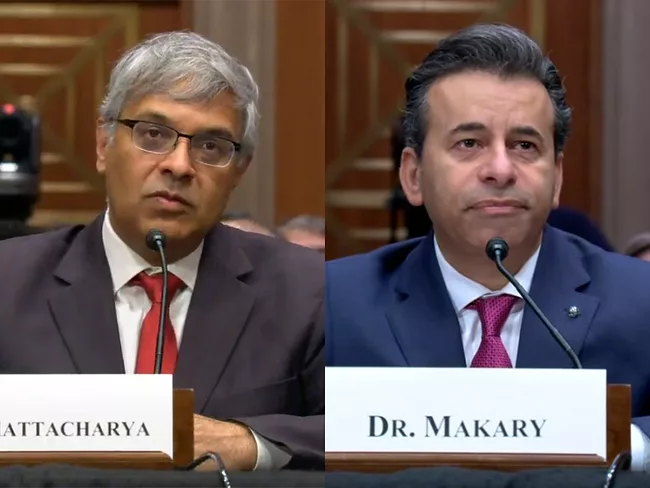
The U.S. Senate has approved the nominations of two key members of the Trump administration, Marty Makary as FDA commissioner and Jay Bhattacharya as NIH director. While these are two of the most critical appointments for the Trump administration, the Senate still has two other important appointments in queue, including the directors of the Centers for Medicare & Medicaid Services and the CDC.
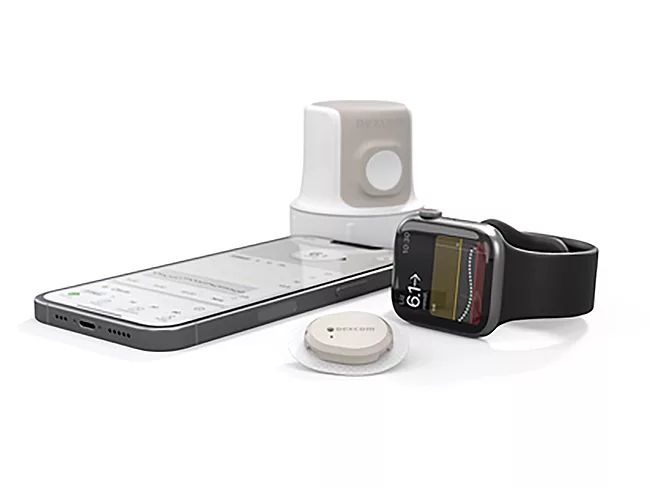
The U.S. FDA’s March 4, 2025, warning letter to Dexcom Inc. is a well-detailed but heavily redacted document explaining the agency’s misgivings about procedures such as monitoring of acetaminophen content in glucose test dishes.
The U.S. FDA’s approval of Telix Pharmaceuticals Ltd.’s kit for preparing prostate-specific membrane antigen-PET imaging for prostate cancer widens the opportunities for patients who live far away from large hospitals. The FDA’s nod for the imaging agent, TLX007-CDx, now branded as Gozellix, has a long shelf life and needs less equipment and preparation compared to some other agents.
The U.S. FDA has posted several class I recalls in recent days, including a removal of one model of the Medtronic Vascular’s Pipeline Vantage embolization device due to insufficient apposition to the vessel wall.
The U.S. FDA warning letter to Q’Apel Medical Inc., of Fremont, Calif., lists several deviations from the regulation, but the agency said the company’s Hippo device for is misbranded because Q’Apel had failed to file with the agency for changes to the device design.
New Zealand med-tech startup Avasa Ltd. has developed an arterial coupler that could save surgeons 30 minutes in the operating room to better connect arteries.
The unrelenting pressure on medical practice in the U.S. has sparked some innovations, but a legislative innovation is now in the works that would fundamentally shift how at least some drugs are prescribed. The Healthy Technology Act of 2025 (H.R. 238) would allow AI and machine learning algorithms to write prescriptions for pharmaceuticals, although the lack of co-sponsors for H.R. 238 suggests that this bill is not ready for prime time just yet.
Three former officials with Magellan Diagnostics Inc., have entered guilty pleas in connection with faulty tests for lead poisoning that were widely used across the U.S. between 2013 and 2017. While former CEO Amy Winslow and two others will not be sentenced until later this year, all three face possible prison terms of three years or more and fines of as much as $250,000, highlighting the hazards of a lack of scruples with regard to compliance with U.S. FDA regulations.
 RSS
RSS