More than 1.6 million spinal procedures are performed in the U.S. each year and between 10% and 30% of them fail to achieve their objective, indicating that the field has abundant room for improvement. Both equipment manufacturers and the FDA hope to improve spinal surgery success rates as seen in two clearances granted on May 31.
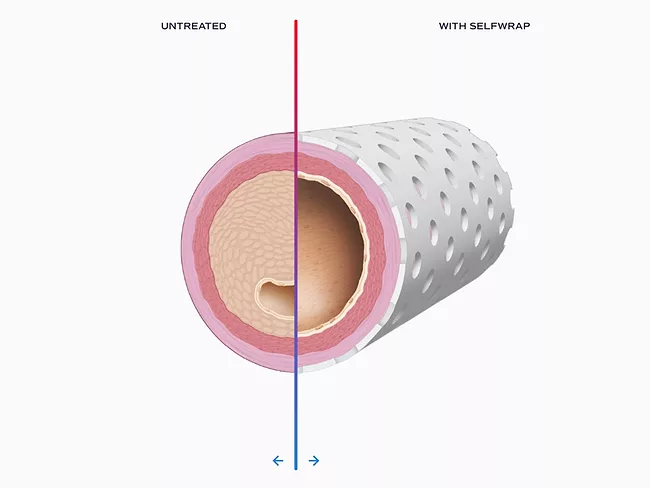
A tissue engineered polymer wrap designed to reduce vein graft failure rates in patients on hemodialysis for chronic kidney disease (CKD) has won FDA breakthrough device designation. Developed by Houston-based Venostent Inc., the Selfwrap bioabsorbable perivascular wrap is macroporous material that wraps around blood vessels and acts as a scaffold to ensure veins and arteries work together seamlessly to filter out toxins in the patient’s blood.
The U.S. FDA has rejected Verrica Pharmaceuticals Inc.’s drug-device combination to treat the viral skin disease molluscum for a third time, losing more ground to a potential rival from Novan Inc., because of continued manufacturing issues. There are no FDA-approved treatments for molluscum contagiosum, which leads to skin-colored or pink lesions and affects around 6 million people in the U.S. annually.
The U.S. FDA’s proposal to restructure the Quality System Regulation (QSR) with ISO 13485, the international quality system standard, is a major shift for affected industry, but there are strictly administrative issues associated with this proposal. Several of those who have commented to the docket have expressed misgivings as to the proposed 12-month compliance deadline upon issuance of a final rule.
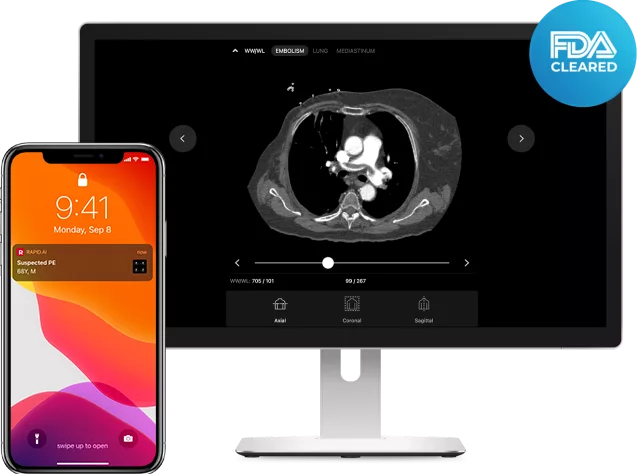
The transformation of cardiology continues with two U.S. FDA actions to promote the use of artificial intelligence (AI): a 510(k) clearance for Rapidai Inc.’s pulmonary embolism (PE) triage and notification product and breakthrough device designation for Anumana Inc.’s pulmonary hypertension (PH) early detection algorithm.
The pandemic exponentially amplified the move to more patient-driven health care with at-home monitoring, wearable medical devices and telemedicine. Testing has arguably seen the greatest shift, led by emergency use authorizations (EUA) for dozens of rapid tests for SARS-CoV-2. Laboratory Corp. of American Holdings Inc. (Labcorp) stands to benefit even more from the trend with an EUA for an over-the-counter multiplex respiratory virus test and the launch of an at-home collection kit for testing hemoglobin A1c (HbA1c) this week.
The U.S. FDA posted a final guidance for feasibility and early feasibility studies for non-traditional devices for type 2 diabetes, a document that is largely unchanged from the draft. This in the eyes of some stakeholders is precisely the problem as the final guidance retains a set point for rescue medication that some in industry believe is inappropriate for a study that does not seek to establish device effectiveness.
The in vitro diagnostics industry has turned in an impressive response to the COVID-19 pandemic, but a few problems are bound to surface. The U.S. FDA reported May 10 that the Accula test by San Diego-based Mesa Biotech Inc. has been recalled due to contamination of test materials at the manufacturing site, a problem that could lead to false negative findings with the test.
The Medical Device Innovation Consortium (MDIC) ran a series of 14 test cases to evaluate the value of real-world evidence (RWE) for regulatory decision making, but there were several sources of drag in this first phase of the project, such as a lack of availability of unique device identifiers (UDIs) for some devices.
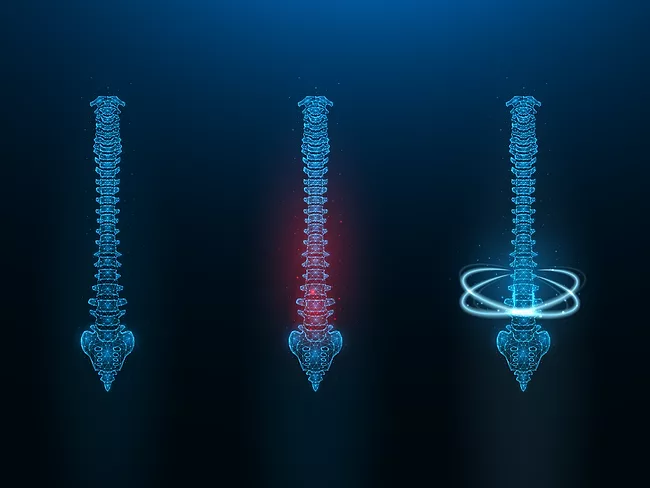
Nano-x Imaging Ltd.’s (Nanox) subsidiary Nanox.AI has received the FDA’s 510(k) clearance for Healthost, an artificial intelligence (AI) software device providing qualitative and quantitative analysis of the spine from CT scans.
 RSS
RSS