As part of its obligations under the 21st Century Cures Act, the U.S. FDA is proposing two new rules to harmonize sections of its regulations on human subject protection and institutional review boards with the revised Common Rule, which provides for the protection of human subjects in federally funded research.
In recent years, ethicists have executed a 180-degree shift on including children in clinical trials testing drugs, biologics and medical devices, moving from the idea that it was unethical to include youngsters in trials to an understanding that such inclusion may be the best way of protecting them.
From the beginning of the monkeypox outbreak in the U.S. in May, the federal government has bungled the response, according to both Democratic and Republican members of the Senate Health, Education, Labor and Pensions (HELP) Committee.
The U.S. FDA’s formation of the Digital Health Center of Excellence (DHCoE) was heralded as a key enabler of digital health technologies, but the news hasn’t necessarily had the expected effect. The agency’s December 2021 draft guidance on the use of digital health technologies to assist in the conduct of clinical trials is still in regulatory drydock.
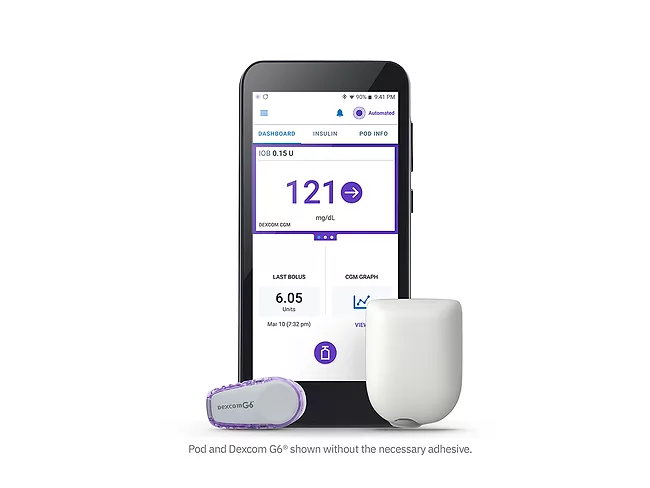
Insulet Corp. got the U.S. FDA’s nod to extend use of its Omnipod 5 automated insulin pump to children aged 2 years and up with type 1 diabetes. The expanded indication, just seven months after FDA cleared Omnipod 5 for patients 6 years and older, represents the first time a tubeless automated insulin delivery (AID) system has been authorized for use in children this young.
The recall of CPAP, BiPAP and ventilator devices made by Philips Respironics Inc., of Murrysville, Pa., is now in its second year, but the rate of reported adverse events was exceedingly low prior to the onset of the June 2021 recall. Those numbers continued to climb in May, June and July of 2022, however, reaching 48,000 medical device reports and 44 deaths said to be associated with the recalled devices, a pace that would easily overwhelm the volume of reports seen in the 12 months ending April 30, 2022.
Valentine’s Day is a great day for creating that tingly feeling, but Abbott Park, Ill.-based Abbott Laboratories believes that this is not a good sensation for patients who are in search of pain relief via spinal cord stimulation (SCS) devices. Thus, the company touts its Proclaim Plus as a system that delivers a tightly titrated charge to multiple sites on the spinal cord to generate an analgesic effect without that tingling sensation, an outcome the company said is preferred by 87% of those in need of SCS for pain relief.
Rapid Medical Inc. received FDA clearance for the Tigertriever 13, termed “the smallest and only adjustable thrombectomy device” for treating brain clots causing ischemic stroke. Stealing a page from aerospace engineers, Sunrise, Fla.-based Rapid Medical has developed complex, 3D “braiding” technology enabling its mechanical stent retriever to gain better access to and treat deeply embedded brain clots.
Recent U.S. FDA actions could transform decades of prostate cancer care. Two companies focused on prostate cancer received good news from the FDA for their artificial intelligence (AI)-driven software. Bot Image Inc. gained FDA clearance for its medical device computer-aided detection and diagnostic tool, Prostatid. The agency also provided FDA investigational device exemption for Avenda Health Inc.’s Focalpoint ablation system that enables more accurate mapping of a patient’s prostate cancer for better surgical results.
The U.S. FDA granted digital therapeutics company Bodyport Inc. 510(k) clearance for its heart monitoring weight scale. The digital solution includes sensors and algorithms that measure hemodynamic biomarkers to assess heart function and fluid status when patients take their daily weight. San Francisco-based Bodyport told BioWorld the platform is for heart failure (HF) patients in the U.S.

 RSS
RSS