The U.S. House of Representatives has passed an agreement with the Biden administration on the debt ceiling, a deal that does not affect mandatory spending programs such as Medicare. However, the agreement, which still must gain the Senate’s stamp of approval, appears to eliminate any chance of yet more monies for the National Institutes of Health or the FDA, two programs of intense interest for companies in the life sciences.
The U.S. FDA has granted 510(k) clearance to GE Healthcare Technologies Inc. for its Precision DL for PET/CT, an artificial intelligence (AI) and deep learning (DL)-powered software designed to sharpen quality and improve efficiencies in medical imaging. Part of the company’s Effortless Recon DL portfolio, the technology is available on GE’s Omni Legend PET/CT digital scanner.
The U.S. FDA has issued a final guidance for non-clinical performance testing for tissue containment bags used during power morcellation procedures, and the FDA had recommended in 2020 containment bags always be used during morcellation procedures. Despite the FDA’s advisory, a survey of surgeons published last year suggested that most of these procedures are not done with these containment systems, possibly because the rate of procedure-related complications is considerably higher when containment is used.
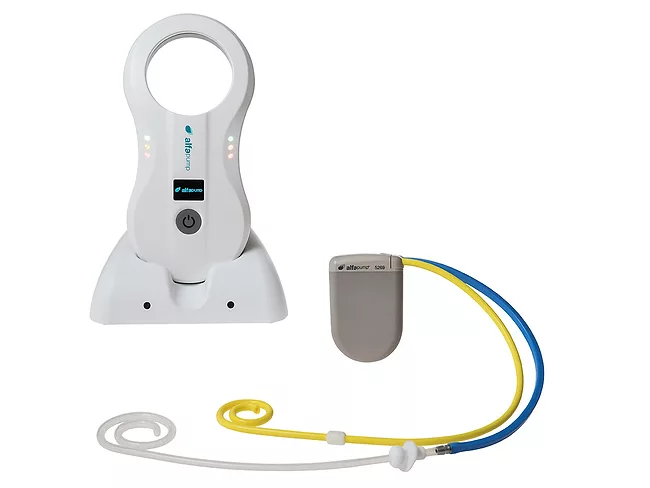
Sequana Medical NV is considering listing in the U.S. as it builds towards the commercialization of its Alfapump, CEO Ian Crosbie told BioWorld in an interview. The company has received a U.S. FDA breakthrough device designation for Alfapump, which treats recurrent or refractory ascites due to liver cirrhosis, and it completed a pivotal study in 2022. The company intends to file the data with the FDA by the end of this year, with the hope of getting premarket approval before the end of 2024.
Even though COVID-19 is transitioning from pandemic to endemic across the world, it will remain first in mind as U.S. lawmakers look to reauthorize the Pandemic and All-Hazards Preparedness Act (PAHPA) this year to ensure the country is better prepared for future threats. With a Sept. 30 deadline for reauthorizing PAHPA, the Senate Health, Education, Labor and Pensions (HELP) Committee has its work cut out for it. But it won’t be starting from scratch. In opening a May 4 hearing on the reauthorization, HELP Chair Bernie Sanders (I-Vt.) said the committee would build on the efforts started last year under then-Chair Patty Murray (D-Wash.) and now-retired Ranking Member Richard Burr (R-N.C.).
With the COVID-19 public health emergency ending in the U.S. next week, Congress is looking to use the lessons learned from the pandemic to draft a new iteration of the Pandemic and All-Hazards Preparedness Act to ensure the country is better prepared for the next pandemic.
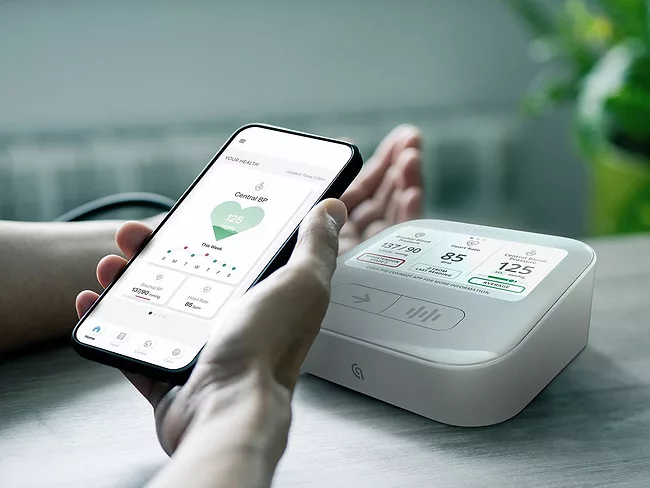
Cardiex Ltd. won U.S. FDA clearance for its Conneqt Pulse vascular biometric monitor. According to the digital health and wearables company, the device is the first in the world to provide measurements of both brachial blood pressure in the arm and central blood pressure in the heart and aorta, as well as arterial waveform analysis and other clinically relevant vascular biomarkers, outside the hospital, research institutions or clinical trial sites.
The possibilities of cures for cancer and other tough-to-treat diseases and the ability to further personalize medicine are creating a lot of excitement about the future of radiopharmaceuticals as both therapy and diagnostics. To reach that future, industry and researchers will have to overcome a lot of challenges, not the least of which stem from the multiple government agencies involved in regulating the source material, development, distribution and use of radioactive drugs and devices.
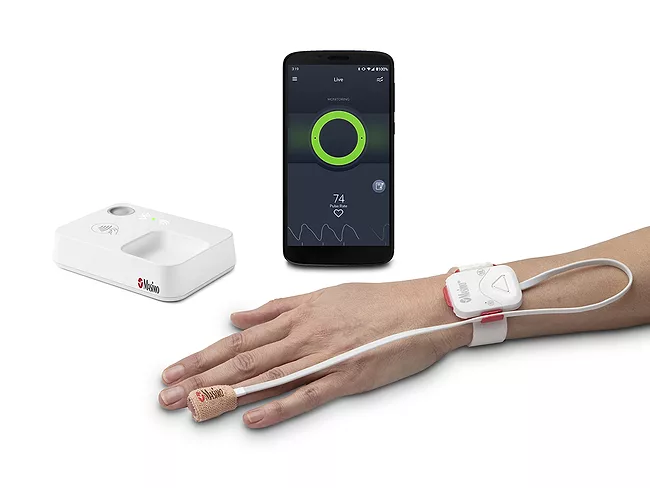
Masimo Corp.’s Opioid Halo, an opioid overdose prevention and alert system, was granted de novo status by the U.S. FDA. The device detects opioid-induced respiratory depression, the primary cause of opioid deaths. The de novo authorizes the company to make Halo available over the counter and by prescription for use on individuals aged 15 and up.
With the public health emergency for the COVID-19 pandemic rapidly winding down, the U.S. FDA has published guidance for the transition of COVID-specific diagnostic tests and other articles to conventional premarket review mechanisms.
 RSS
RSS