The U.S. FDA’s September 2022 guidance for clinical decision support (CDS) software was controversial the moment the agency posted the document, prompting the filing of a citizen’s petition five months later. The CDS Coalition has penned a June 8 letter to FDA commissioner Robert Califf in an effort to draw a reaction from the agency, but the letter was accompanied by a summary of an analysis of CDS software with a machine learning (ML) component that suggests that such products that are in development may have to be reconsidered.
Pulse Medical Technology Inc. obtained breakthrough device designation from the FDA for its fourth generation μFR system, which would accelerate the commercialization of the device. “The fourth generation μFR system is currently not available on the market, but Pulse Medical is preparing for the marketing approval of the product in the U.S.,” Jingfeng Han, director of science division at Pulse Medical, told BioWorld.
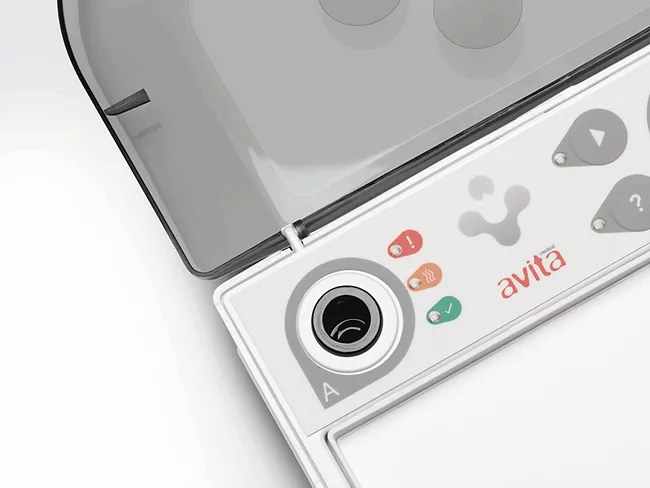
The U.S. FDA granted premarket approval to Avita Medical Inc.’s Recell system for a wide range of full-thickness skin defects, potentially quintupling the company’s market opportunity. Recell is a cell harvesting device that produces and delivers a regenerative cell suspension using a small sample of the patient’s own skin. The Spray-On Skin cells, previously approved for use in severe burns, stimulate healing and repigmentation. “This is a landmark approval representing an inflection point for Avita Medical,” said Avita CEO Jim Corbett. “The FDA approval now offers surgeons a best-in-class treatment option for a multitude of severe wounds within inpatient and outpatient settings.”
The U.S.FDA posted two warning letters to medical device manufacturers June 6, one each to Irhythm Technologies Inc., and Steiner Biotechnology LLC, and both warnings include citations for marketing for claims that are not in the FDA-reviewed product labels.
The U.S. FDA has given the greenlight to Sparrow Acoustics Inc. (dba Sparrow Bioacoustics) for its Stethophone, a software-based technology that allows doctors and nurses to check a patient’s heart and lung sounds using a smartphone. Providers simply hold the smartphone against the patient’s chest to listen for possible abnormalities.
The U.S. FDA reported a class I recall for a subset of the Impella 5.5 with Smartassist due to leakage of purge fluid from a pump sidearm that could ultimately lead to a loss of pump function. Abiomed Inc., the maker of the device, had previously introduced corrective measures intended to suppress the problem with leakage, but those corrections have not completely resolved the problem, leading to the withdrawal of 466 units that were distributed in the U.S. between Sept. 8, 2021, and March 6, 2023.
The Fiscal Responsibility Act (FRA) has been signed into law by U.S. President Joseph Biden, heralding a five-year span in which increases in discretionary budget spending will be limited to 1% after a flat funding picture in the coming fiscal year. While the news might seem to portend a flat budget picture for agencies such as the FDA and the National Institutes of Health, a new analysis by the Alliance for a Stronger FDA indicates that congressional intent might at least slightly overcome the limits imposed by the FRA.
U.S. FDA inspections are not always a pleasant experience, particularly when the end result is a warning letter. One company, Sea-Long Medical Systems LLC of Waxahachie, Texas, says the experience was a positive experience in that the company’s new ownership gained an important appreciation for the necessary rigors of medical device manufacturing.
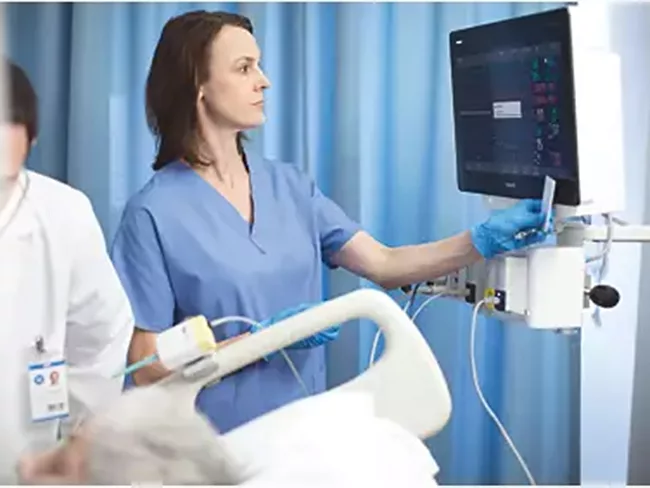
Royal Philips NV and Masimo Corp. received U.S. FDA clearance that allows the activation of Sedline brain function monitoring, regional oximetry and carbon dioxide measurements in Philips Intellivue MX750 and MX850 patient monitors, which will streamline decision-making for clinicians by eliminating the need for separate pieces of monitoring equipment. The integrated equipment can help clinicians more quickly assess and monitor cerebral oxygenation, anesthetic sedation and patient respiratory performance using the same monitor.
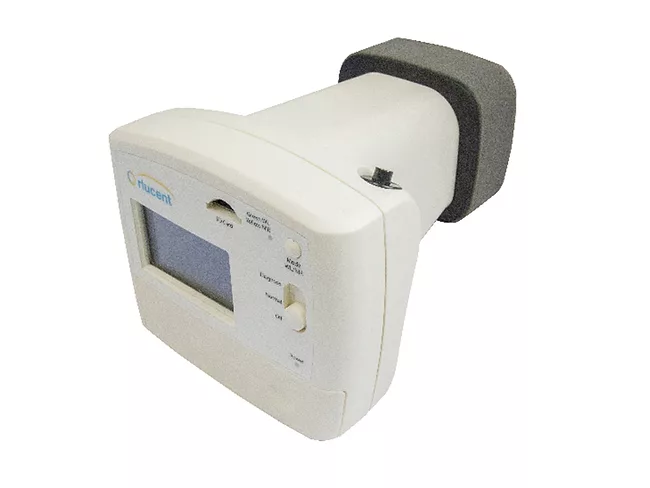
If Orlucent Inc. has its way atypical moles in adults will soon give up their secrets to clinicians on the lookout for skin cancer, this after the Los Gatos, Calif.-based company received a U.S. FDA breakthrough device designation for its non-invasive Orlucent skin fluorescence imaging system. The system is a hand-held point-of-care molecular-based imaging device that identifies “tissue remodeling activity” inside atypical moles that could be a precursor to early melanoma.
 RSS
RSS