The latest global regulatory news, changes and updates affecting medical devices and technologies, including: FDA eyes grant of license for spectrometer for SARS; HQO eyes TAVI/TAVR for low-risk patients; ACLA says testing capacity beginning to strain.
Some PMA filings manage to scrape by at U.S. FDA advisory hearings, but the application for the Visability device by Refocus Group Inc. was not one of those. The panel voted 15-1 that the benefits of the device for presbyopia did not outweigh the risks, leaving the sponsor with a fundamental question about the viability of a technology that has been under development for more than 20 years.
The latest global regulatory news, changes and updates affecting medical devices and technologies, including: FDA warning letter to company promoting test kits.
The U.S. FDA final guidance for microneedling devices is a product-specific guidance, but it raises questions about the agency’s perspective on how a manufacturer’s intended use is inferred. Despite concerns voiced by industry, the microneedling devices final guidance retains a feature of the draft that allows the agency to infer intended use from the manufacturer’s “expressions,” a provision that raises yet again the long-standing commercial speech problem.
The latest global regulatory news, changes and updates affecting medical devices and technologies, including: CDC updates vaccine guidance; Russia launches doctor-driven shortage reporting service.
TORONTO – Toronto-based Sqi Diagnostics Inc. has reported significant clinical progress developing three novel COVID-19 tests for submission for U.S. FDA emergency use authorization.
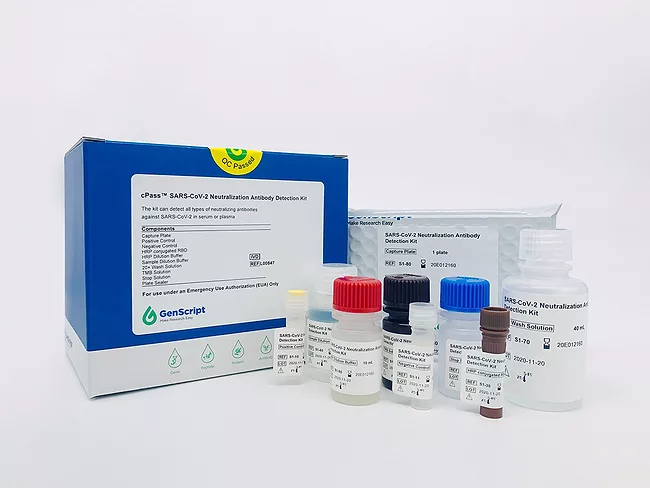
The U.S. FDA has granted emergency use authorization (EUA) to Genscript USA Inc. for its Cpass SARS-CoV-2 Neutralization Antibody Detection Kit, the first commercially available test to detect neutralizing antibodies in individuals previously infected with the novel coronavirus. The serology test measures levels of neutralizing antibodies in samples from patients recovering from COVID-19 as well as people vaccinated against the SARS-CoV-2 virus.
The U.S. FDA has given its nod to a new solution that aims to help with the temporary reduction of sleep disturbance related to nightmares in certain people. Specifically, the agency reviewed the device, from Minneapolis-based Nightware Inc., through the de novo premarket review pathway and now is permitting its use in patients aged 22 years of age or older who are suffering from nightmare disorder or have nightmares from post-traumatic stress disorder (PTSD). The agency previously granted the solution breakthrough device designation.
The controversy over the U.S. FDA’s authority to regulate lab-developed tests (LDTs) took on a new set of considerations due to the COVID-19 pandemic. However, a June 22 memo by HHS General Counsel Robert Charrow pokes holes in the FDA’s argument on several fronts. Among these is the question of whether an LDT can be regulated by the FDA, given that a test is not usually offered for sale across state lines.

 RSS
RSS