The U.S. FDA expanded the indications for Stryker Corp.’s Neuroform Atlas stent system to include use in the posterior circulation or back of the brain, making the device the only adjunctive stent approved for aneurysms in this challenging location. The Kalamazoo, Mich.-based company’s intracranial coil-assist stent gained its initial indication for the more common aneurysms in the anterior circulation of the neurovasculature in May 2019.
LONDON – Morphosys AG finally has some heft to put behind its U.S. commercialization ambitions following FDA approval for its long-nurtured anti-CD19 antibody, Monjuvi (tafasitamab-cxix) in relapsed or refractory diffuse large B-cell lymphoma (r/rDLBCL).
In a time when the FDA needs its best and brightest people onboard, nearly half the senior leadership at the agency will be eligible for retirement by Sept. 30.
The U.S. FDA has nudged the emergency use authorization (EUA) program forward once again, this time with a template for applications for tests that can be performed entirely at home, in the office and at schools. FDA Commissioner Stephen Hahn said in an accompanying statement that tests of this sort “will be a game-changer in our fight against COVID-19 and will be crucial as the nation looks toward reopening.”
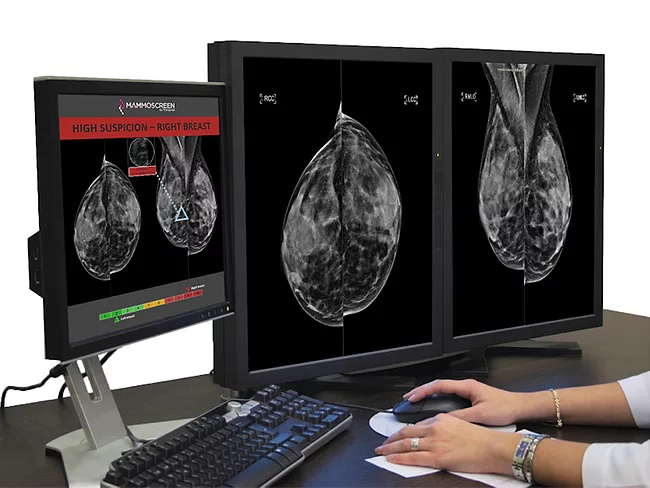
PARIS – Therapixel SA, of Nice, France, has obtained 510(k) clearance from the U.S. FDA for its Mammoscreen technology, a software platform based on artificial intelligence (AI) and used by radiologists for reading screening mammograms. “Obtaining FDA clearance is the result of working with radiologists over the past three years in order to develop a powerful tool providing relevant assistance in their day-to-day work,” Matthieu Leclerc-Chalvet, CEO of Therapixel, told BioWorld.
The U.S. FDA has rewritten the emergency use authorization (EUA) for the Laboratory Corp. of America Holdings Inc. (Labcorp) COVID-19 polymerase chain reaction (PCR) test to allow for diagnostic testing of those who are asymptomatic and those who have no reason to suspect they are infected with the SARS-CoV-2 virus.
The FDA approved Kite Pharma Inc.’s Tecartus (brexucabtagene autoleucel, KTE-X19), the first cell-based gene therapy for adults with mantle cell lymphoma (MCL) who have not responded to or who have relapsed following other kinds of treatment.
The question of screening for the COVID-19 pandemic continues to absorb the interest of both the U.S. FDA and test developers, and Tim Stenzel, director of the FDA’s Office of In Vitro Diagnostics and Radiological Health (OIR), said in a July 22 webinar that the FDA is “very interested” in a fingerstick test at the point of care for screening purposes, adding that the agency sees any such applications as a priority.
Becton, Dickinson and Co. (BD) has received a green light for a premarket approval supplement from the U.S. FDA for an expanded version of its BD Onclarity HPV assay. It includes the expansion for genotype reporting beyond human papilloma virus (HPV) genotypes 16, 18, and 45.
Artificial intelligence (AI)-focused Caption Health Inc. has scored a green light from the U.S. FDA for an updated version of Caption Interpretation, which aims to help clinicians gain quick, easy and accurate measurements of cardiac ejection fraction (EF) at the point of care.
 RSS
RSS