Using informed consent to do what Congress couldn’t, the U.S. FDA is flexing its regulatory authority to halt clinical trials that involve sending cells from American patients to China or other adversarial nations for genetic engineering and subsequent infusion back into the patient.
Post pandemic, Moderna Inc. is broadening the applications of mRNA technology to cancer, rare diseases, latent viruses and respiratory viruses, “taking advantage” of the revenue generated by Spikevax (elasomeran), its mRNA-based vaccine for COVID-19.
Deepecho Inc. received the U.S. FDA’s nod for its AI-based platform that assesses fetal biometry and amniotic fluid volume to improve the efficiency and precision of fetal ultrasound diagnostics.
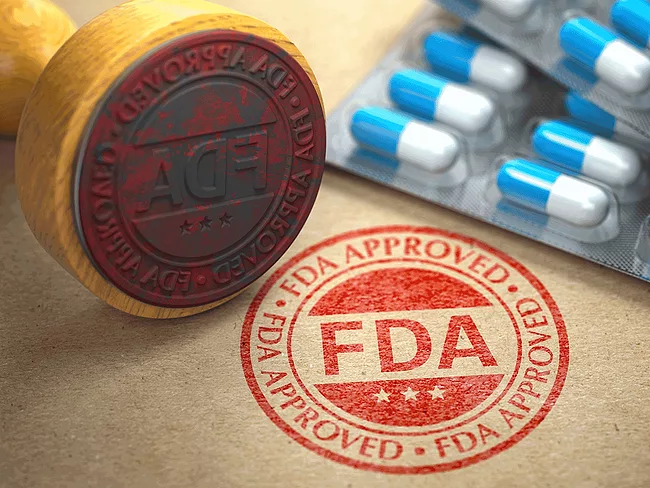
The U.S. FDA approved 14 drugs in May, a decline from 20 in April and 22 in March. That brings the year-to-date total for 2025 to 84 approvals, the second highest on record for this period, just behind the 89 approvals recorded in the first five months of 2024.
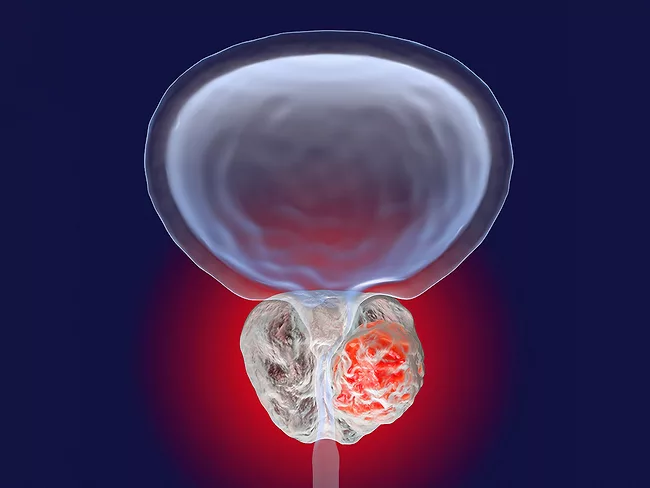
Archeus Technologies Inc. has obtained IND clearance from the FDA for ART-101, a novel receptor-based targeting small molecule for the imaging and treatment of prostate cancer.
On the same day that FDA Commissioner Martin Makary spoke in a fireside chat during the 2025 Biotechnology Innovation Organization’s International Convention, the agency unveiled a pilot commissioner’s national priority voucher program that will enable companies to receive a shortened FDA review time of one to two months.
Using informed consent to do what Congress couldn’t, the U.S. FDA is flexing its regulatory authority to halt clinical trials that involve sending cells from American patients to China or other adversarial nations for genetic engineering and subsequent infusion back into the patient.
The realignment within the U.S. FDA continued with reports of the removal of two high level executives. When asked by BioWorld if the Center for Biologics Evaluation and Research’s (CBER) Office of Therapeutic Products director and deputy director had been forced out and if so, why, an HHS spokesperson responded on background with a single sentence: “Center directors deserve to be supported by managers that are aligned with aggressive goals to expeditiously advance therapeutics for rare diseases using the gold standard of science.”
Diagonal Therapeutics Inc.’s DIAG-723 has been awarded orphan drug designation by the FDA for the treatment of hereditary hemorrhagic telangiectasia (HHT). Additionally, the EMA has provided a positive opinion for orphan drug designation, confirming that DIAG-723 meets the criteria for designation as an orphan drug in the E.U.
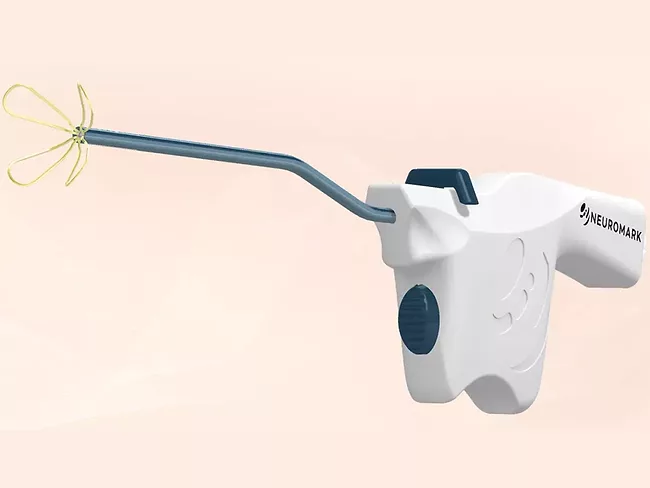
Amid rising demand for its Neuromark system, Neurent Medical Ltd. opened a new manufacturing facility in Ireland, which will serve as the central hub for the production of the device which treats chronic rhinitis.
 RSS
RSS