Jiangsu Simcere Pharmaceutical R&D Co. Ltd. has disclosed alkyne compounds acting as mitogen-activated protein kinase kinase kinase kinase 1 (MAP4K1; HPK1; MEKKK1) inhibitors reported to be useful for the treatment of cancer.
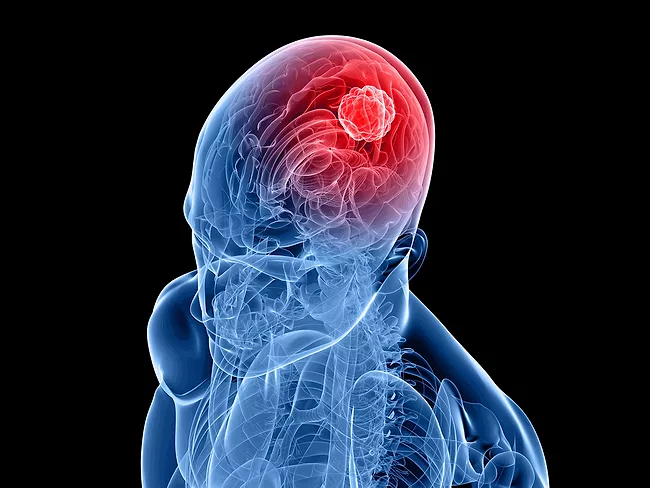
Glioblastoma (GBM) is the most common type of primary brain tumor in adults, with only a 7% rate of 5-year overall survival for patients. Oncolytic viruses based on HSV-1 vectors are an interesting and to-explore area for GBM treatment.
Activation of the cGAS-STING pathway activates the immune system through the production of type I interferons. There is knowledge that myeloid cell populations are among the most sensitive to STING agonism. Investigators at Takeda Pharmaceutical Co. Ltd. presented results on TAK-500, an immune stimulant antibody-drug conjugate (ISAC) composed of an antibody linked to a STING agonist for delivery to CCR2+ cells.
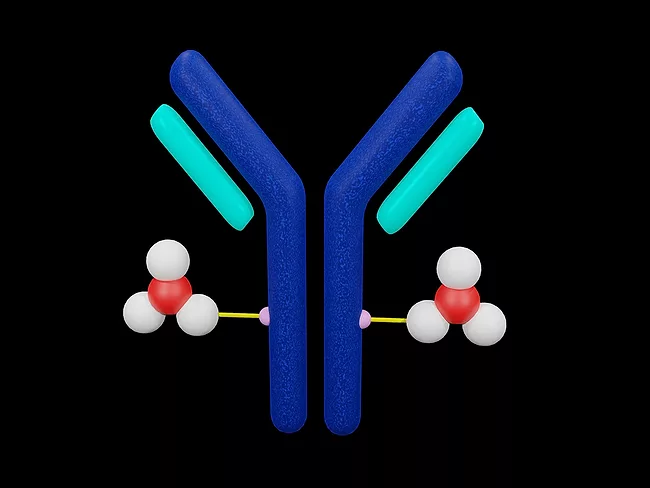
Researchers from Sutro Biopharma Inc. presented the discovery and preclinical characterization of a novel receptor tyrosine kinase-like orphan receptor 1 (ROR1)-targeted antibody-drug conjugate (ADC), STRO-003, being developed for the treatment of cancer.
The Institute of Cancer Research (ICR) in London is shifting the focus of drug discovery from molecular targets in cancer cells to take in the whole ecosystem supporting tumor growth, evolution and the development of resistance. The aim is to exploit new understanding of the way cancers evolve within the ecosystem of the body, the interaction between cancer cells and the immune system, and the reliance of a tumor on the tissue and growth signals that surround it. Manipulating this environment could make cancer cells become “extinct,” ICR researchers say.
A combination of radiation therapy and CD47 blockade induced an abscopal effect in animal studies even in animals that lacked T cells, researchers reported in the Nov. 21, 2022, online issue of Nature Cancer. The findings are “the first demonstration of T-cell-independent abscopal response,” co-corresponding author Edward Graves told BioWorld. “We’re not trying to say that all abscopal responses are macrophage-mediated. There are plenty that require T cells,” Graves clarified. But “there is another avenue of abscopal responses that has not been reported. ... All the abscopal literature is about stimulating an adaptive response.”
Wigen Biomedicine Technology (Shanghai) Co. Ltd. has described pyrrolopyrimidine derivatives as Wee1-like protein kinase (Wee-1) inhibitors reported to be useful for the treatment of cancer.
Sichuan Haisco Pharmaceutical Co. Ltd. has identified proteolysis targeting chimera (PROTAC) compounds comprising an E3 ubiquitin ligase binding moiety covalently bonded to an EGFR (HER1; erbB1) targeting moiety through a linker reported to be useful for the treatment of non-small-cell lung cancer (NSCLC).
Subpopulation of senescent-like cells are known contributors to acquiring drug resistance in cancer. Potential therapies are increasingly being developed with designs to reduce the proportion of slowly dividing cells rather than to kill hyperproliferative cells. Insufficient RNA-binding protein HuR/ELAVL1 levels are known to cause cell senescence, while increased HuR is associated with proliferation.
Researchers from Elpiscience Biopharma Ltd. have reported the construction of a PD-L1/SIRPα bispecific macrophage engager (BiME), ES-019. A panel of anti-PD-L1/SIRPα antibodies based on single domain antibody was generated, with the candidates containing different orientations, ratios and IgG isotypes of anti-PD-L1 arm and anti-SIRPα arm.

 RSS
RSS