Researchers from Medizinische Hochschule Hannover and affiliated organizations reported data from studies aimed to identify non-coding microRNAs (miRNAs) with therapeutic potential against liver fibrosis in hepatocellular carcinoma (HCC). Functional screening of patient-derived primary human hepatic myofibroblasts, followed by in vivo validation in mouse models of fibrosis, were performed in search of antifibrotic miRNAs.
Mutations in the TP53 gene occur in approximately half of human cancer types, with the TP53 Y220C mutation found in 1% of all solid tumors. Researchers from PMV Pharmaceuticals Inc. and collaborators described the effect of rezatapopt (PC-14586), a first-in-class selective p53 reactivator designed to reinstate p53 Y220C mutant function.
Enanta Pharmaceuticals Inc. has developed mast/stem cell growth factor receptor kit (KIT; c-KIT; CD117) inhibitors reported to be useful for the treatment of cancer, autoimmune disease, fibrosis, pulmonary arterial hypertension, irritable bowel syndrome, inflammatory, dermatological and respiratory disorders, among others.
Terremoto Biosciences Inc. has synthesized new 3H-imidazo[4,5-b]pyridine compounds acting as RAC-α serine/threonine-protein kinase (AKT1; PKB-α) inhibitors reported to be useful for the treatment of cancer.
Astrazeneca has identified anthracycline compounds and antibody-drug conjugates consisting of an antibody covalently bound to anthracycline derivatives reported to be useful for the treatment of cancer.
Merck KGaA has patented substituted bicyclic transcriptional coactivator YAP1/transcriptional enhancer factor (TEAD) and/or TAZ/TED interaction inhibitors reported to be useful for the treatment of cancer.
Previous research revealed that nuclear factor of activated T cells 1 (NFAT1) is a novel regulator of the mouse double minute 2 homolog (MDM2) oncogene, which acts by directly binding to the MDM2 P2 promoter and as such, enhancing MDM2 transcription independent of p53. Researchers from the University of Houston and Baylor College of Medicine presented preclinical data for MA-242, a dual inhibitor of MDM2 and NFAT1, being developed for the treatment of cancer.
Researchers from Captor Therapeutics Inc. presented the preclinical characterization of CT-01, a first-in-class GSPT-1 targeted degrader under investigation for the treatment of hepatocellular carcinoma.
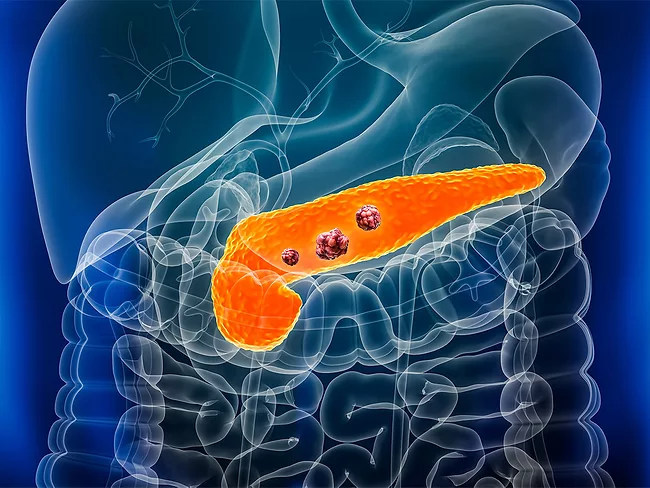
Silexion Therapeutics Corp. has completed its initial study evaluating SIL-204 in orthotopic pancreatic cancer models. SIL-204 is a next-generation siRNA candidate designed to target a broad range of KRAS mutations.
Patients with metastatic or unresectable gastric cancer are usually given 5-fluorouracil (5-FU) and platinum-based chemotherapy, but patients with advance disease usually have a poor prognosis. The use of chemotherapy increased the levels of cyclooxygenase-2 in tumor cells, which in turn increase the levels of prostaglandin E2 (PGE2) in the tumor microenvironment. When PGE2 binds to their receptors EP1 to EP4 on immune cells, it triggers an immunosuppressive tumor microenvironment. The use of the EP2 and EP4 dual antagonist OCT-598 was tested in the preclinical setting for gastric cancer.

 RSS
RSS