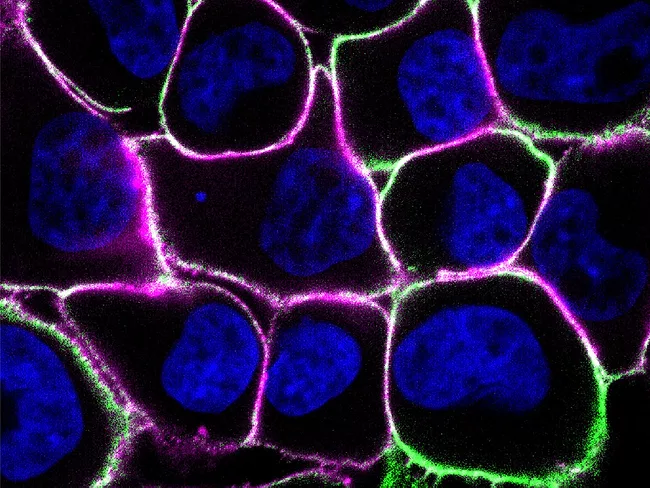
In general, tumor cells embody the idea of “the survival of the fittest” gone out of control. Tumor cells outcompete their normal brethren with their uncontrolled growth; and the inside of a tumor is a fiercely competitive environment where over time, the most aggressive clones take over. But research published online in Nature on Feb. 19, 2025, has discovered that cancer cells cooperate as well as compete.
Although immune checkpoint inhibitors have shown noticeable clinical benefits, tumor evasion of single-agent immunotherapy occurs in some patients due to the compensatory role of alternative immune checkpoints. A viable strategy could be the use of combination immunotherapies targeting multiple immunosuppressive pathways to fully activate T cells and enhance response rates.
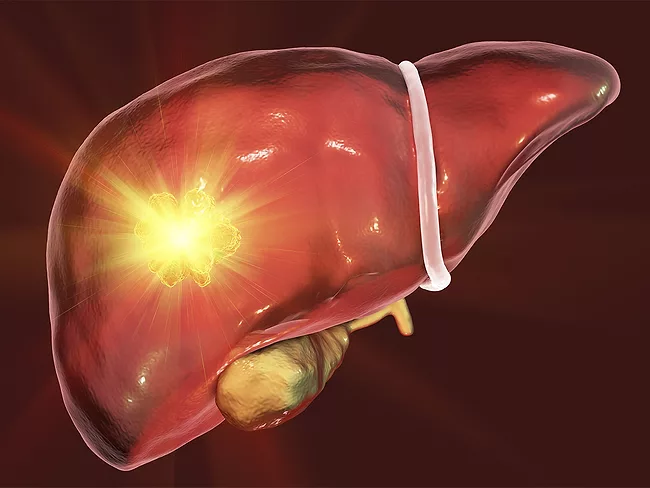
Enhanced quantity and functionality of natural killer (NK) cells in hepatocellular carcinoma (HCC) have been associated with improved prognosis and survival. Therefore, NK cell-based immunotherapy has been proposed for treating HCC, relying on the activation of NK cell receptors like natural cytotoxicity receptors (NCRs), which recognize specific ligands on HCC cells. However, the effectiveness of this approach remains low due to tumor immune evasion.
Hepatoblastoma is a form of liver cancer affecting children and for which the current treatment option available is surgical resection followed by chemotherapy based on cisplatin or doxorubicin. Its prognosis is still poor, and the recurrence rate is high. Neddylation is a biological process that has been well studied for its role in cancer biology; Spanish researchers have hypothesized that neddylation may play a significant role in the development and progression of hepatoblastoma.
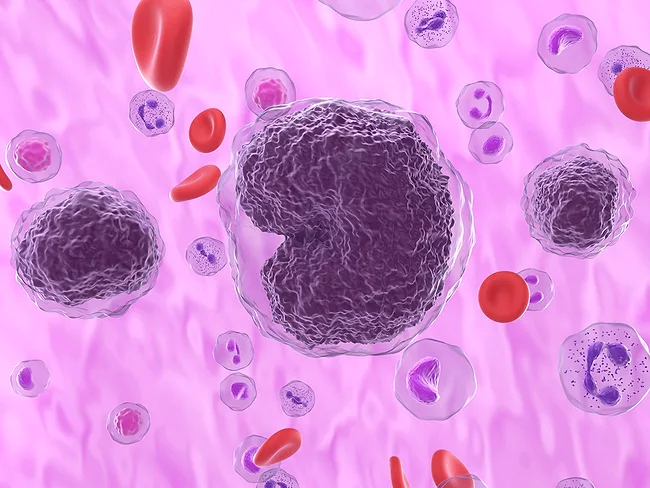
LTZ Therapeutics Inc. has gained IND approval from the FDA for LTZ-301, a first-in-class myeloid engager immunotherapy intended to treat relapsed or refractory non-Hodgkin lymphoma (r/r NHL).
Cogent Biosciences Inc. has described compounds acting as fibroblast growth factor receptor (FGFR) inhibitors reported to be useful for the treatment of achondroplasia, cancer, craniosynostosis, Alzheimer’s disease, fibrosis, pulmonary fibrosis, systemic scleroderma (systemic sclerosis) and thanatophoric dysplasia, among others.
Hangzhou Zhongmei Huadong Pharmaceutical Co. Ltd. has identified tyrosine-protein phosphatase non-receptor type 2 (PTPN2; TCPTP) inhibitors reported to be useful for the treatment of cancer and metabolic diseases.
Daewoong Pharmaceutical Co. Ltd. has described transcriptional coactivator YAP1/transcriptional enhancer factor (TEAD) interaction inhibitors reported to be useful for the treatment of cancer.
 RSS
RSS