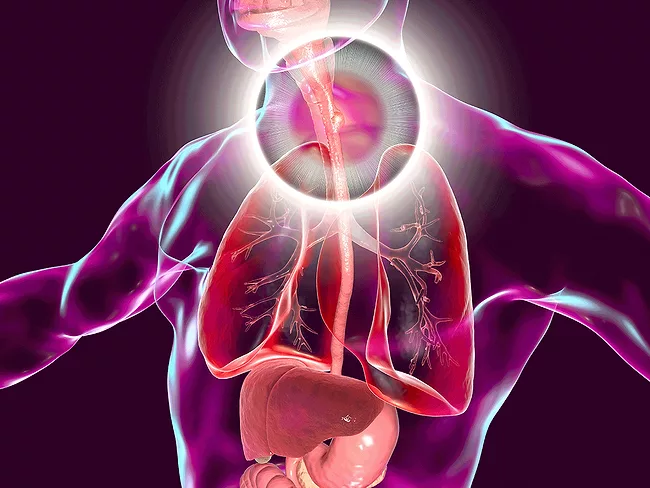
Researchers from Zhengzhou University and affiliated organizations published data from a study that aimed to assess the expression levels of histone modifier enzymes in esophageal squamous cell carcinoma (ESCC).
Bispecific T-cell engager (BiTE) antibodies have shown efficacy in hematological malignancies and are being tested in a variety of solid tumors. Other strategies including bispecific antibodies in combination with monoclonal antibodies or targeting two different immune checkpoints on T cells are also undergoing clinical development.
Right open reading frame kinase 2 (RIOK2) plays an essential role in ribosome assembly and cell growth, survival and stress responses. Research has linked RIOK2 to tumor progression and poor prognosis in several types of cancer such as breast, lung, prostate or hematological tumors.
The research on glioblastoma requires the development of new preclinical murine models. The GL261 cell line forms glioma-like tumors in a reliable manner when transplanted intracranially, but these tumors do not completely mimic human glioblastoma. This model responds well to immune checkpoint inhibitors (ICIs), but ICIs have shown limited efficacy in some clinical trials.
Immune checkpoint inhibitors (ICIs) have revolutionized the landscape of cancer management. However, acquired resistance and response variability point to rational combination strategies as the goal to achieve significant improvements in the field. Investigators at the National Cancer Center of Japan have found that stimulators of the innate immune response unexpectedly activated suppressive cells of the innate immune system.
Glenmark Pharmaceuticals Ltd. has described proteolysis targeting chimera (PROTAC) compounds comprising an E3 ubiquitin ligase binding moiety covalently linked to an interleukin-1 receptor-associated kinase 3 (IRAK-3; IRAK-M) targeting moiety via linker reported to be useful for the treatment of cancer.
The tumor microenvironment plays a crucial role in the resistance of solid tumors to immunotherapy. In particular, fibroblast activation protein (FAP)-expressing cancer-associated fibroblasts have been shown to contribute to immune evasion.
Glucocorticoid-induced tumor necrosis factor receptor (GITR) and its ligand, GITRL, are involved in immune response regulation. GITR is mainly expressed in activated T cells while GITRL is primarily found in antigen-presenting cells.
Researchers from Walter and Eliza Hall Institute of Medical Research, The University of Melbourne and affiliated organizations presented the development of a new reporter mouse model designed to study the role of MDM2 and its transcriptional regulation in p53-mediated tumor suppression.
Stimulating the body’s immune defenses against a tumor can reduce or eliminate it. However, in cancer immunotherapy, when immune checkpoint inhibitors unleash the immune system, severe autoimmunity can result. A hematological technique, extracorporeal photopheresis (ECP), could offer a solution. It reduces the therapy-induced inflammation without altering antitumor immunity. According to scientists at the Universities of Basel and Freiburg, the key lies in adiponectin, a hormone produced by fatty tissue.
 RSS
RSS