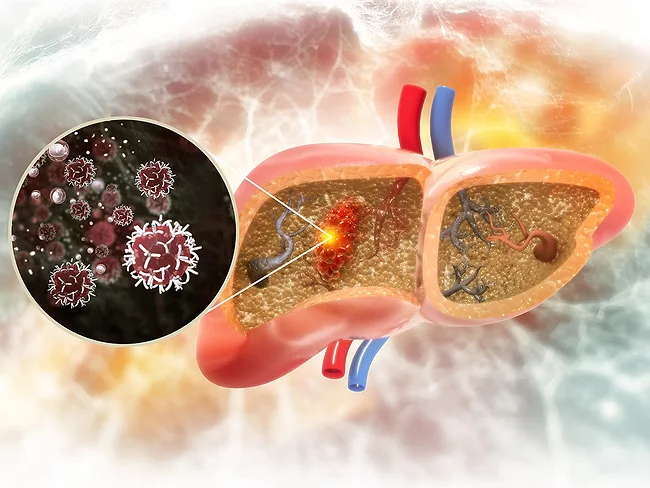
The treatment of hepatocellular carcinoma (HCC) has made progress due to immune checkpoint inhibitors (ICIs), but still many patients present innate or acquired resistance to ICIs, thus there is a need for the discovery of new therapeutic approaches for HCC treatment. Epigenetic alterations play a key role in liver cancer, so that they can suppress the expression of proteins involved in triggering the immune response against tumors. Spanish researchers have now identified a promising target for liver HCC treatment, named histone-lysine N-methyltransferase EHMT2, also known as protein G9a.
Adcentrx Therapeutics Inc. and Adcentrx Therapeutics Shanghai Co. Ltd. have disclosed antibody-drug conjugates comprising a monoclonal antibody covalently bound to a cytotoxic drug through a linker.
Ubiquitin-specific protease 7 (USP7) is involved in DNA repair and cell cycle progression and, due to its control over the ubiquitination of key proteins, may impact oncogenes like MDM2 and c-Myc, as well as tumor suppressors such as p53 and p21.
Targeted protein degradation (TPD) is an alternative to conventional protein inhibition that is gaining attention due to advantages such as ensuring complete elimination of the target protein, reduced off-target effects or the potential to target previously inaccessible or “undruggable” proteins. Proteolysis targeting chimeras (PROTACs) are agents used for TPD that have proven effective for degradation of histone deacetylase (HDAC), among other different proteins.
Aptamers are single-stranded DNA or RNA molecules with unique 3D structures that allow for specific binding to a wide variety of ions and molecules. Due to their unique properties, aptamers have been extensively studied for the precise detection and treatment of cancer; however, their susceptibility to nuclease degradation and rapid renal clearance represent challenges that limit theranostic time window and effectiveness. Researchers from Huazhong University of Science and Technology evaluated the potential of a novel albumin-conjugation strategy that would improve tumor targeting of the aptamers.
Hangzhou Zhongmei Huadong Pharmaceutical Co. Ltd. has described molecular glue compounds acting as eukaryotic peptide chain release factor GTP-binding subunit ERF3A (GSPT1) degradation inducers reported to be useful for the treatment of cancer.

 RSS
RSS