Brown University, Florida Atlantic University and Florida International University have jointly identified new compounds potentially useful for the treatment of malaria.
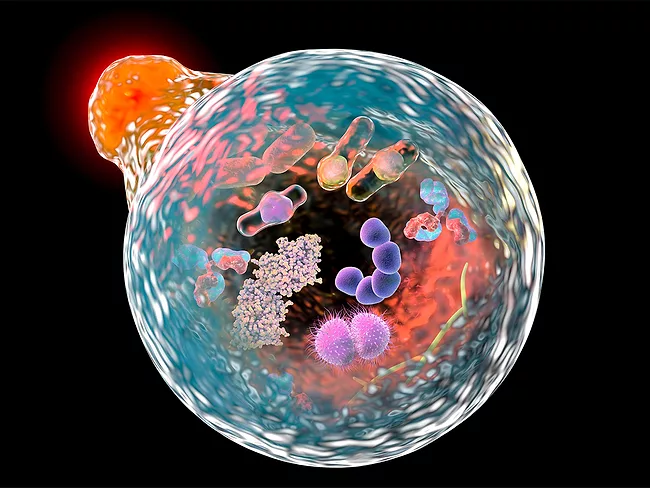
TRIM21, an enzyme involved in intracellular substrate degradation, can recognize viruses and bacteria that enter the cytosol when they are coated with antibodies. Just as it tags complex molecules for elimination, it can direct these infectious microorganisms to lysosomes through a mechanism its discoverers have termed antibody-directed xenophagy (ADX). Scientists at the Medical Research Council (MRC) Laboratory of Molecular Biology (LMB) in Cambridge, U.K., have identified the genes involved in this antibody-dependent degradation pathway, which acts as an antimicrobial process, and reported their findings in Molecular Cell on June 4, 2026.
Factor XIIa (FXIIa) has been explored as a therapeutic target for thrombosis and immune-mediated disorders due to its role at the interface of coagulation and inflammation. However, poor plasma stability and reversible target engagement have limited earlier approaches, underscoring the need for more durable next-generation inhibitors.
Researchers from Ospedale San Raffaele presented the preclinical characterization of SR-1891, a long-acting capsid assembly modulator (CAM) in models of chronic hepatitis B. In Hepa D38 cells, the compound exhibited EC50 and EC90 values of 0.2 and 0.8 nM, respectively, without any detectable cytotoxicity.
The Coalition for Epidemic Preparedness Innovations (CEPI) has announced funding and support to urgently accelerate development of three investigational vaccines targeting the Bundibugyo Ebola virus.
Several presentations at EASL highlight a new generation of therapies coming into view, with the work from Tune Therapeutics Inc. standing out as one of the most relevant for the novelty it represents and the step forward it signals. The company is investigating the use of TUNE-401 as a potential treatment for hepatitis B.
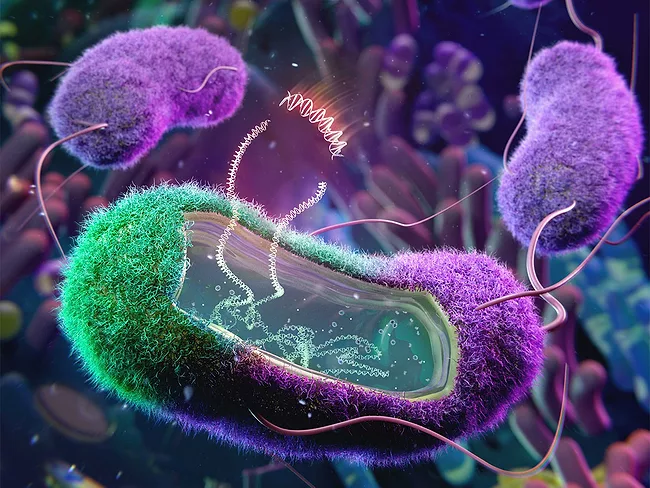
Shiga toxin-producing Escherichia coli (STEC) represents a public health threat that can lead to serious problems, such as bloody diarrhea and hemolytic uremic syndrome in children in up to 10%-15% of cases. Antibiotics that normally combat diarrhea are not recommended for STEC infections and patients are usually treated only for symptomatology. Now, French researchers from Eligo Bioscience SA and their collaborators have published a paper on a CRISPR-based antimicrobial approach, EB-003.
Currently available treatments for chronic hepatitis D virus (HDV) infection rarely result in a cure after a defined treatment period. Researchers from Aligos Therapeutics Inc. hypothesized that antisense oligonucleotides (ASOs) targeting HDV RNAs may inhibit intracellular HDV RNA amplification.

 RSS
RSS