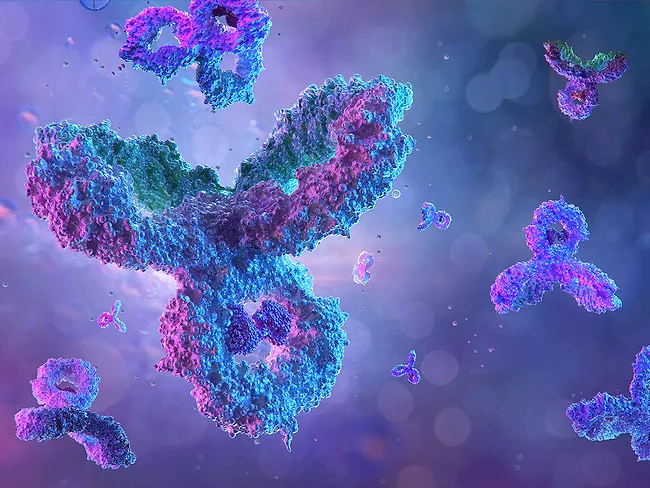
The assessment of glycosylated autoantigens as immunotolerance therapies is emerging as a potential strategy for the treatment of several autoimmune diseases, such as type 1 diabetes, Crohn’s disease or multiple sclerosis.
Breakthrough – or even better, revolutionary breakthrough – is perhaps the most overused term in drug development. But the discovery and development of GLP-1 receptor agonists (GLP-1RAs), which was honored with the 2024 Lasker-DeBakey Clinical Medical Research Award just last week, is one of the rare innovations that is deserving of the title.
A patent from Nagasaki University discloses new protein aggregate degradation inducers reported to be useful for the treatment of neurodegenerative diseases.
Ono Pharmaceutical Co. Ltd. and Wuxi Apptec Co. Ltd. have jointly developed new ceramide glucosyltransferase (glucosylceramide synthase; GLCT-1) and lysosomal acid glucosylceramidase (GBA; β-glucocerebrosidase; β-glucosidase) dual inhibitors reported to be useful for the treatment of mild cognitive impairment, among others.
Investigators from Abzyme Therapeutics LLC have hypothesized that inhibiting this pathway in the CNS may prevent tissue damage and cease the progression of multiple sclerosis (MS).
Argenx SE’s ARGX-119 is a monoclonal antibody (MAb) targeting the muscle-specific kinase (MuSK) Frizzled (Fz)-like domain, and has entered early clinical development for the treatment of neuromuscular diseases.
Vanderbilt University has identified leucine-rich repeat kinase 2 (LRRK2; dardarin) and LRRK2 (G2019S mutant) inhibitors reported to be useful for the treatment of tauopathies, cancer, Crohn’s disease, type 1 diabetes, leprosy, rheumatoid arthritis, traumatic brain injury and Alzheimer’s disease, among others.
Researchers from the Chinese Academy of Medical Sciences reported the discovery of the 1,2,4-oxadiazole derivative FO-4-15 for the treatment of Alzheimer’s disease (AD).
Japan Tobacco Inc. has identified NLRP3 inflammasome inhibitors reported to be useful for the treatment of arteriosclerosis, gout, inflammatory bowel disease, amyotrophic lateral sclerosis, multiple sclerosis, metabolic dysfunction-associated steatohepatitis (MASH; formerly nonalcoholic steatohepatitis [NASH]), Alzheimer’s disease and Parkinson’s disease.
Secondary progressive multiple sclerosis (SPMS) is a chronic form of disease that occurs after relapsing-remitting MS, with a progressive disease course, and its pathogenesis remains unclear. CX3C chemokine receptor 1 (CX3CR1) is a G protein-coupled receptor that may be a useful marker of Eomes+ Th cells; the antigen has been shown to be expressed by cytotoxic Th cells and required for late-onset disease.