Neuroinflammation underlies neurodegeneration in Alzheimer’s disease (AD) and other brain disorders. The stimulation of nicotinic α7 receptors, involved in the regulation of neuroinflammation, has shown efficacy in improving memory and learning in AD models.
A novel gene therapy that leads to cellular rejuvenation could restore vision after non-arteritic anterior ischemic optic neuropathy (NAION) and glaucoma. The technique is based on a reprogramming process that reverses the epigenetic DNA alterations caused by aging. Preclinical studies in glaucoma mice and nonhuman primates (NHP) models for this stroke-like disorder that affects the eye, showed an improvement of vision and restoration of the damaged axons of the optic nerve.
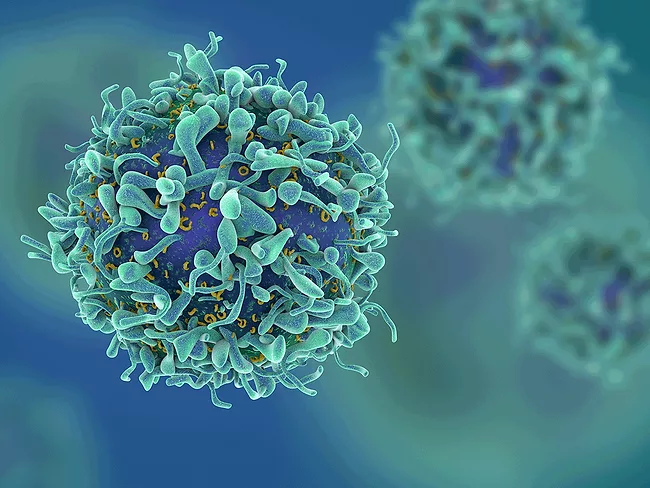
Immunotherapy based on T cells is the vanguard of cancer treatments. Researchers from Washington University in St. Louis have shown that similar approaches using T cells could be applied for treating injuries of the central nervous system (CNS). They reported their findings in Nature on Sept. 4, 2024.
By looking at the electrical activity of tumor cells, rather than the neurons that innervate them, investigators at Baylor College of Medicine have added both basic and translational insights to the emerging field of cancer neuroscience. In their studies, which were published in Cancer Cell on Sept. 5, 2024, the researchers identified the cell of origin for IDH-mutated gliomas.
ML-218 is an orally active, selective, and potent T-type calcium channel (Cav3.1, Cav3.2 and Cav3.3) inhibitor. Previous research has shown that ML-218 penetrates the blood-brain barrier and exerts protective effects against haloperidol-induced catalepsy, peripheral neuropathy and Parkinson’s disease.
It has been previously demonstrated that the activation of spleen tyrosine kinase (SYK) contributes to processes that are central to the pathogenesis of neurodegenerative diseases, such as Alzheimer’s disease (AD) and Parkinson’s disease (PD).
4M Therapeutics Inc. has released new preclinical data for its lead program, 4MT-2001, a novel small-molecule glycogen synthase kinase 3β (GSK-3β) inhibitor, demonstrating central nervous system (CNS) target engagement.
Immunotherapy based on T cells is the vanguard of cancer treatments. Researchers from Washington University in St. Louis have shown that similar approaches using T cells could be applied for treating injuries of the central nervous system (CNS). They reported their findings in Nature on Sept. 4, 2024.
Apogee Pharmaceuticals Inc. has disclosed monoglyceride lipase (MGLL; MAGL) inhibitors reported to be useful for the treatment of neurodegeneration, neuropathy, ischemia, and metabolic, eye, lung, inflammatory and renal disorders, among others.
NRG Therapeutics Ltd. has been awarded a grant from Target ALS Foundation to support its discovery program for a treatment for amyotrophic lateral sclerosis (ALS).

 RSS
RSS