Psychiatric animal models are a challenge by their nature. Whether a drug is blocking tumor growth in a rodent is easy enough to measure, although still hard to translate. But how does one figure out what a mouse is thinking? Actually, one doesn’t. There is “no way in heck I’m going to claim that I can model a thought disorder in rodents, so forget about that,” Bita Moghaddam told her audience at the opening keynote of the European College of Neuropsychopharmacology (ECNP) annual conference this weekend. But other aspects of mental disorders, she argued, can be usefully modeled.
“Epilepsy is really a classical neurological disorder,” Lars Pinborg told the audience at the European College of Neuropsychopharmacology (ECNP) annual conference on Sunday. “Or is it?” Pinborg, of Rigshospitalet's The Neuroscience Center in Denmark, was chairing a session dedicated to an alternative hypothesis, summed up in the session title: “Is epilepsy a psychiatric disorder?”
Increasing evidence exists regarding estrogen receptor β (ERβ) playing a protective role in Alzheimer’s disease (AD) and its loss resulting in progressive neural cell body degeneration.
Lucy Therapeutics Inc. has announced promising preclinical data for multiple compounds in its lead program for Parkinson's disease, including two lead small-molecule agents, LucyTx-1209 and LucyTx-1212.
Metriopharm AG has received a grant of €125,000 from charity Duchenne UK that will support development of the company's lead compound MP-1032 (luminol sodium salt) for the treatment of Duchenne muscular dystrophy (DMD).
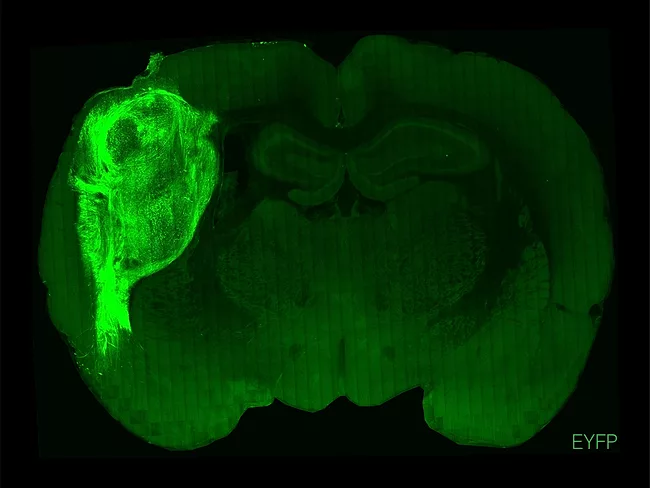
Human brain organoids transplanted into rats could be used as an in vivo model for the study of neuropsychiatric diseases. Researchers at Stanford University managed to mature human organoid neurons in the somatosensory cortex of the animal's brain and incorporate them into its neural circuitry.The integration improved the morphological and physiological properties of the transplanted neurons. Compared to those of organoids in a Petri dish, human cells preserved their own identity, and they modified the rat's learned behavior through stimulation and reward experiments.
Extracellular vesicles (EVs) are nanosized membrane vesicles released from a variety of cells that play important roles in cell-cell communication and which circulate in almost every body fluid, including blood, urine and cerebrospinal fluid (CSF).
 RSS
RSS