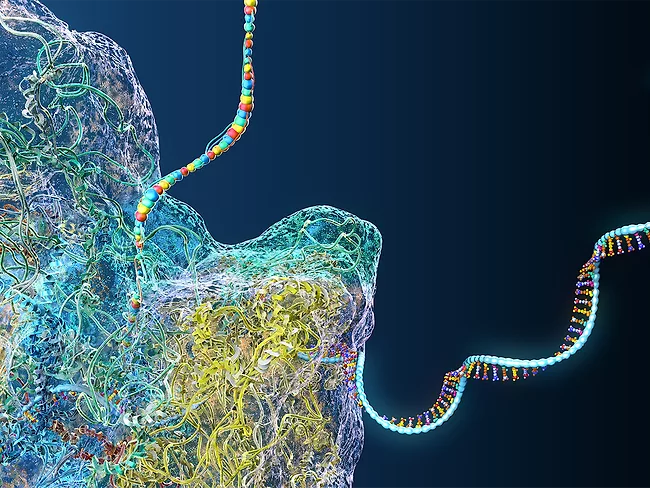
Using whole genome sequencing, scientists at Boston Children’s Hospital have studied the genes and mutations of ataxia-telangiectasia (A-T) that would respond to treatments with splice-switching antisense oligonucleotides (ASOs). Their work, published on July 12, 2023, in Nature, determined the appropriate individualized genetic therapy for these patients and identified a new drug.
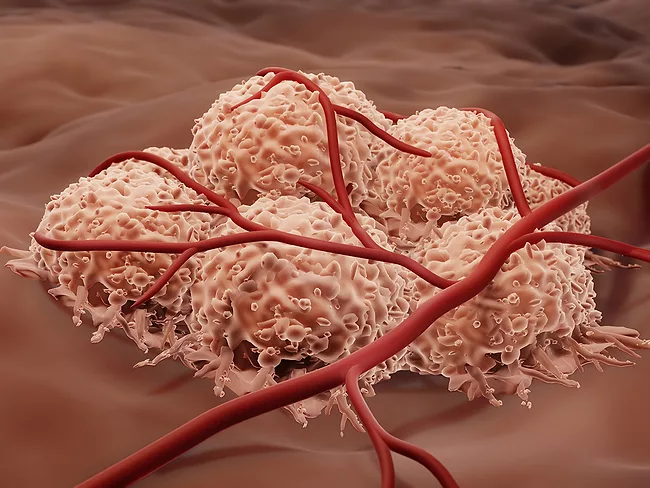
Innovstone Therapeutics Ltd. has described aromatic heterocyclic compounds acting as ectonucleotide pyrophosphatase/phosphodiesterase family member 1 (ENPP1) inhibitors potentially useful for the treatment of pancreatic cancer, heart failure and myocardial infarction.
Research at Pharmablock Sciences (Nanjing) Inc. has led to the development of spirooxindole compounds acting as 3C-like proteinase (3CLpro; Mpro; nsp5) (SARS-CoV-2; COVID-19 virus) inhibitors and thus reported to be useful for the treatment of viral infections.
Heterobicyclic derivatives characterized as tyrosine-protein kinase ITK/TSK (EMT) inhibitors have been revealed in an Almirall SA patent. They are reported to be useful for the treatment of atopic dermatitis, psoriasis, T-cell lymphoma, alopecia areata and vitiligo.
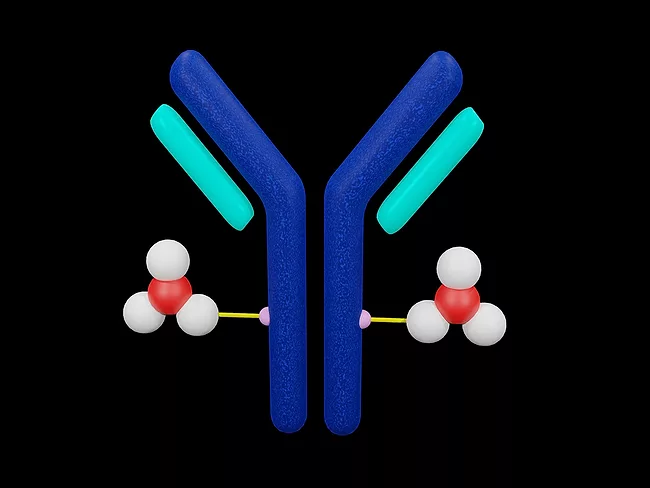
Genequantum Healthcare Co. Ltd. and Inxmed Co. Ltd. have signed a collaboration agreement under which Genequantum has granted nonexclusive licensing of its proprietary conjugation technology to Inxmed, supporting the development of the next generation of targeted antibody-drug conjugates (ADCs).
Recent studies reported the design of a new generation of phage-based particles for targeted systemic gene delivery, which consist of the packaging of a recombinant rAAV2 DNA by coat proteins of a filamentous phage.
Eleven Therapeutics Ltd. has established a research collaboration with Novo Nordisk A/S for the identification of novel molecules that promote precise delivery of nucleic acid for cardiometabolic diseases by leveraging Eleven’s innovative Deliveri platform.
Writing in The Journal of Enzyme Inhibition and Medicinal Chemistry, researchers from Nantong First People’s Hospital and collaborators recently conducted a study to discover Hsp90 inhibitors with high efficacy and broad antitumor activity.

 RSS
RSS