Targeting rearranged during transfection (RET) proto-oncogene may be an effective therapeutic strategy for acute myeloid leukemia (AML) patients with mutations in FLT3 and activated RET. However, few RET-targeting agents have been approved for clinical use, and no FLT3/RET dual-targeting drugs have been identified.
Nurexone Biologic Inc. has completed a pre-IND meeting with the FDA in connection with the manufacturing, preclinical and clinical development plan of Exopten. Exopten is being developed to be a minimally invasive Exotherapy product for spinal cord injuries given intranasally and yielding neuron regeneration and rewiring in traumatically damaged spinal cords.
Alveogene Ltd. has launched with a focus on inhaled gene therapies for respiratory disorders. The company has been created by Oxford Science Enterprises, Harrington Discovery Institute at University Hospitals, and Old College Capital in partnership with six scientists from the UK Respiratory Gene Therapy Consortium (GTC).
Previous research has validated hematopoietic progenitor kinase 1 (HPK1) as a target in immune oncology, and pharmacological inhibition of HPK1 has been shown to enhance effector T-cell function and antitumor activity.
Hoth Therapeutics Inc. has reported promising results from sponsored preclinical research conducted at NC State University (NCSU) with HT-KIT, the company’s new molecular entity for the treatment of advance systemic mastocytosis. HT-KIT is an antisense oligonucleotide that targets the proto-oncogene c-Kit by inducing mRNA frame shifting.
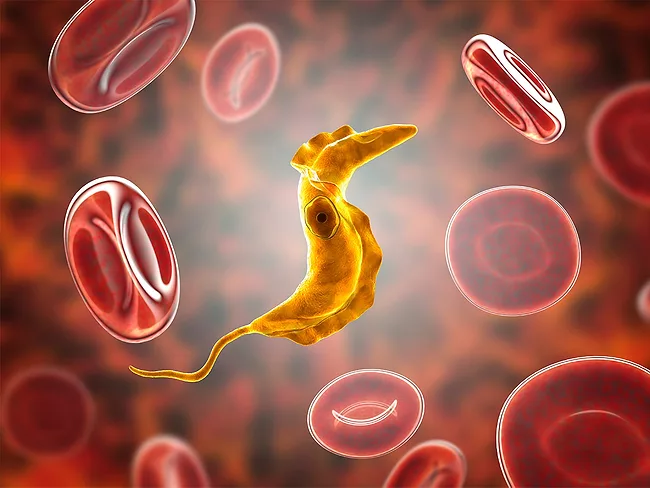
Researchers from Federal University of Ouro Preto and affiliated organizations presented the discovery of novel antitrypanosomal agents with activity against Trypanosoma cruzi.
Scinai Immunotherapeutics Ltd. (formerly Biondvax Pharmaceuticals Ltd.) has released promising results from a preclinical study of Scinai’s anti‑IL‑17 nanosized VHH antibodies (NanoAbs) as a treatment for plaque psoriasis. The alpaca‑derived recombinant variable domain of heavy-chain-only antibodies are designed to be administered locally.
Lipids are “very diverse, but also vastly understudied,” Anne Brunet told the audience at the recent meeting on Aging Research and Drug Discovery. Advances in the ability to predict protein structures have fueled a much better understanding of the human proteome and its estimated 20,000 members. The lipidome is much larger, numbering maybe 100,000 total. And what those lipids do remains much more fuzzy. “Very little is known about their function, and especially their function during aging,” Brunet said. Slowly, however, technological advances are enabling researchers to understand the roles of lipids as well.
Dewpoint Therapeutics Inc. and Chemify Ltd. have partnered to develop a suite of digitally discovered and automatically synthesized novel molecules on Chemify’s programmable chemistry platform against condensate targets of interest in Dewpoint’s oncology and neurodegeneration pipeline.
Arialys Therapeutics Inc. has closed $58 million in seed financing. The proceeds of the financing will be used to advance new precision medicines that specifically block pathogenic autoantibodies in the central nervous system (CNS) with the aim of treating neuropsychiatric diseases driven by autoimmunity.
 RSS
RSS