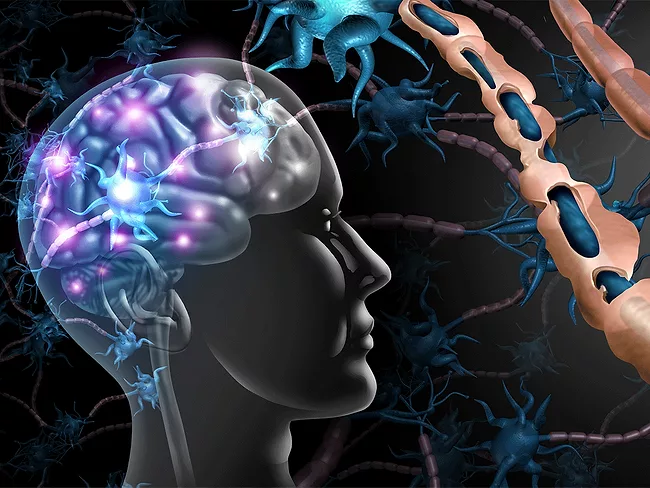
Uniqure NV has received FDA clearance of its IND application for AMT-260, the company’s gene therapy candidate that represents a potential one-time administered approach to treating refractory mesial temporal lobe epilepsy (MTLE).
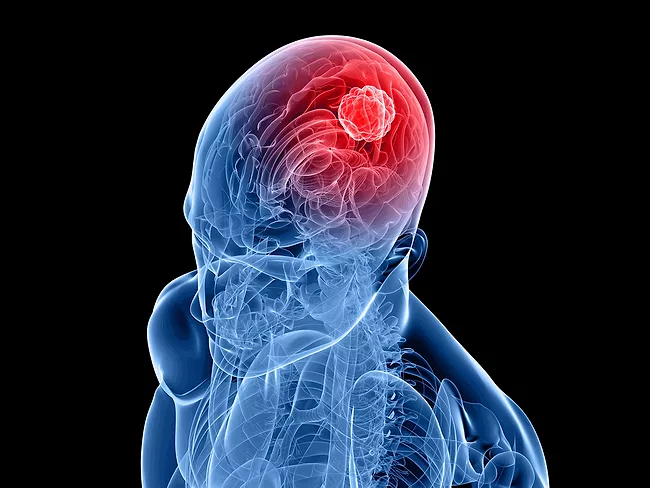
Beactica Therapeutics AB has selected BEA-17 as a preclinical candidate from its lysine demethylase 1 (LSD1) program targeting aggressive brain tumors and other cancers, and IND-enabling toxicology studies will now be initiated.
Researchers from Ashvattha Therapeutics LLC recently reported on ASH-41020, a new dendranib compound acting as a CSF-1R inhibitor with anti-inflammatory and immunomodulatory effects.
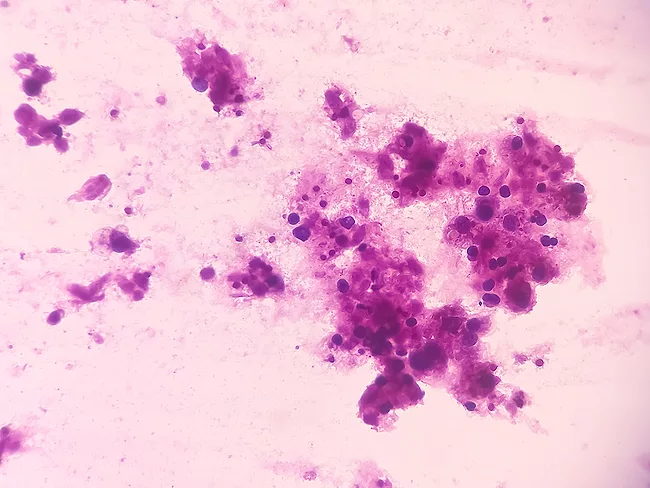
Investigators at Cold Spring Harbor Laboratory have discovered a method of switching cancerous rhabdomyosarcoma cells back into normal muscle cells that could lead to the development of a treatment for this rare aggressive childhood cancer.
Researchers from Florida International University and U.S. Department of Health and Human Services have divulged fused diazepines acting as relaxin receptor 2 (RXFP2; LGR8) agonists.
Nexys Therapeutics Inc. has identified aryl hydrocarbon receptor (AhR) agonists and their prodrugs reported to be useful for the treatment of inflammatory bowel disease, multiple sclerosis and Huntington’s disease.
Astrazeneca AB has synthesized IL-1 receptor-associated kinase 4 (IRAK4) inhibitors reported to be useful for the treatment of cancer, systemic lupus erythematosus, gout, rheumatoid arthritis, psoriasis, Sjögren’s syndrome, myositis and atopic dermatitis, among others.
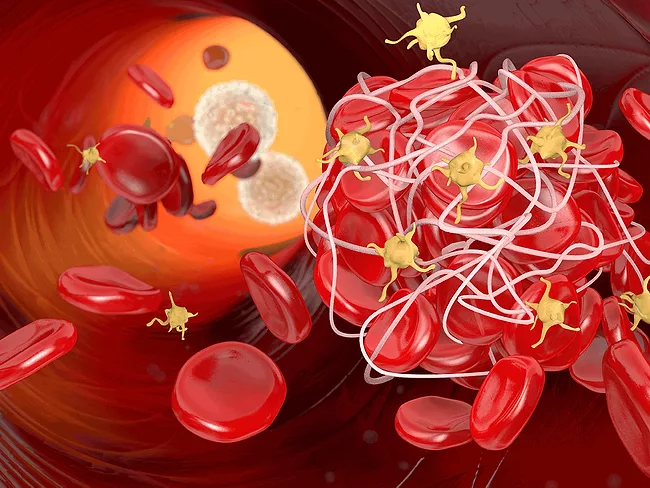
Current anticoagulant strategies include small-molecule inhibitors and biological entities targeting factor XI (FXI) which, although effective, still have bleeding as a major risk.
 RSS
RSS