Currently, there is no FDA-approved drug for nonalcoholic steatohepatitis (NASH), which has evolved into the second leading cause of liver transplantation in the U.S. Researchers from Children’s Hospital Los Angeles and Epigen Biosciences Inc. disclosed preclinical data on EPGN-2154, a novel lysophosphatidic acid LPA1 receptor agonist that has already demonstrated antifibrotic activity in preclinical kidney and liver models.
Dihydroorotate dehydrogenase (DHODH) is an enzyme ubiquitously expressed in all tissues whose inhibition has proven effective in preventing viral replication. Previous knowledge on DHODH inhibitor vidofludimus calcium demonstrated that this compound inhibits viral replication of DNA, RNA and retroviruses and induces innate immune responses that lead to an antiviral state thus inhibiting virus reactivation.
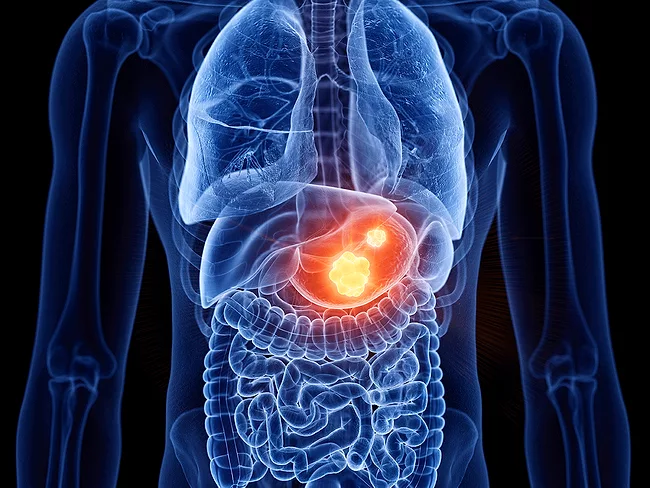
Gastric cancer persists as the fourth leading cause of cancer-related deaths. Syndecans (SDCs) are a family of four transmembrane heparan sulfate proteoglycans involved in cell proliferation, migration and adhesion, among others, and syndecan-4 (SDC4) expression has been shown to be up-regulated during the early stages of the gastric carcinogenesis.
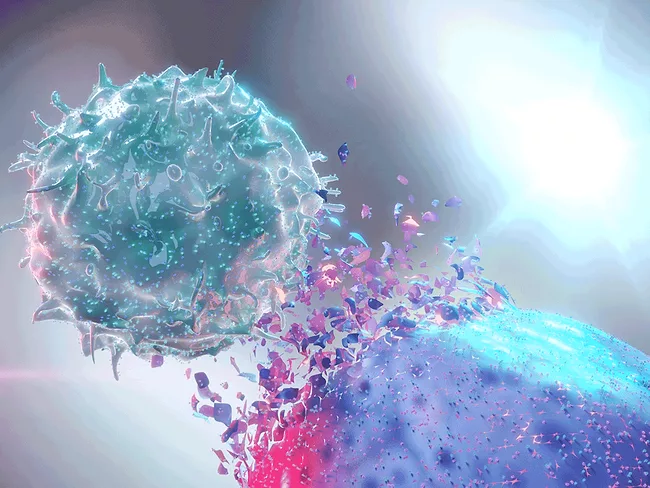
Indapta Therapeutics Inc. has gained IND clearance from the FDA to commence a first-in-human phase I trial of IDP-023, an allogeneic natural killer (NK) cell therapy, in patients with relapsed or refractory multiple myeloma and lymphoma, anticipated to begin in the second half of this year. The study will explore three different dose levels of Indapta’s G-NK cells alone and in combination with IL-2 and the monoclonal antibodies rituximab and daratumumab.
Symmetric dimethylarginine (SDMA) is one of the byproducts of protein methylation, and it has been previously identified as an independent cardiovascular risk factor in patients with chronic kidney disease. The majority of SDMA is excreted through renal tubules; however, its effect on kidney in pathological conditions is not fully understood. In a recent study, researchers from Shuguang Hospital aimed to investigate the role of SDMA in renal tubulointerstitial fibrosis.
Imaginab Inc. has selected and advanced into IND-enabling studies IAB-56, a minibody designed to target the αvβ6 integrin for use as Lu-177 radiopharmaceutical therapy in solid tumors. In parallel, the DLL3-targeting program, IAB-57, will further assess several leads in the coming quarter prior to initiation of IND-enabling studies later this year.
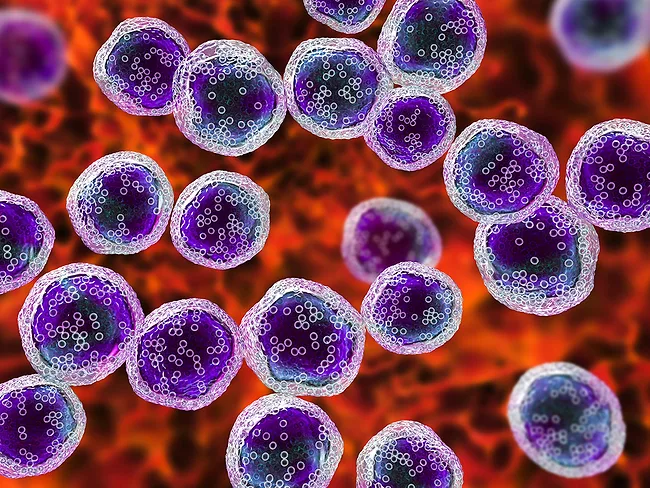
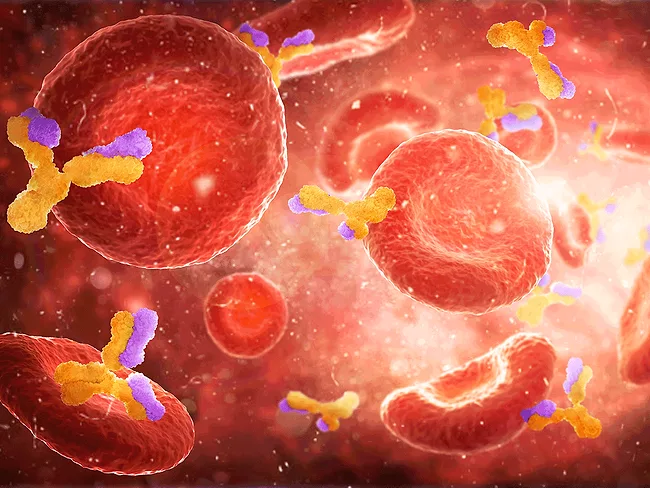
Although advances in chemotherapy have dramatically improved outcomes for children with leukemia, patients with high-risk and aggressive cancers require intense drug regimens that push safety limits. Researchers have formulated an antibody guidance system in mice that could empower chemotherapy against childhood leukemias while minimizing drug toxicity.
The most ambitious objective of any treatment is to eradicate the disease, acting on its origin to cure it instead of treating its symptoms. This is the purpose of the gene therapy against type 2 diabetes (T2D) and obesity that Fractyl Health Inc. is developing. Scientists from the Lexington, Mass.-based company have designed a strategy based on glucagon-like peptide-1 (GLP-1) to transform pancreatic cells and reverse the disease.

 RSS
RSS