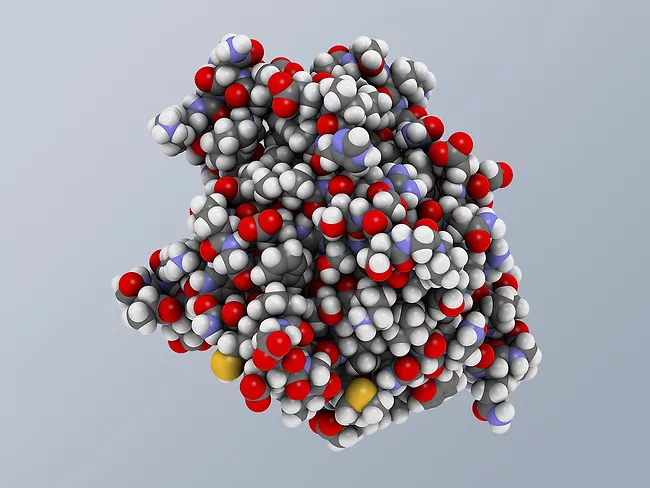
Researchers have ameliorated both monogenic and complex inflammation-driven diseases through transplantation of hematopoietic stem cells with an inserted IL-1 receptor antagonist (IL-1RA) gene. The team showed that in animal models the transplanted cells worked better than monoclonal antibodies to reduce symptoms in systemic autoinflammatory diseases (SAIDs), a group of childhood-onset, lifelong diseases that vary in severity depending on the underlying mutation, but can be life-threatening.
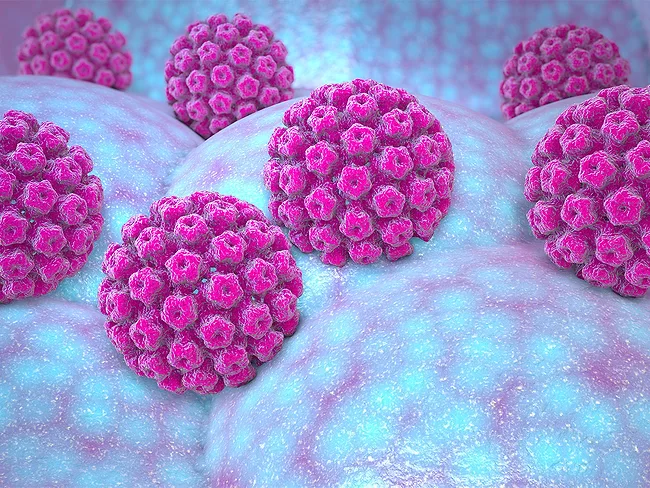
Tscan Therapeutics Inc. has received IND clearance by the FDA for TSC-200-A0201, a T-cell receptor (TCR) T-cell therapy targeting human papillomavirus 16 (HPV16), an oncogenic virus responsible for some cervical cancers and head and neck squamous cell carcinomas.
Researchers at West China Hospital, Sichuan University have identified remimazolam derivatives reported to be useful for the treatment of sedation and as anesthetics.
Insilico Medicine Inc. has reported the development of ubiquitin carboxyl-terminal hydrolase 1 (USP1) inhibitors described as useful for the treatment of cancer.
Sanofi SA has prepared and tested isoxazolidines acting as receptor-interacting serine/threonine-protein kinase 1 (RIPK1; RIP-1) inhibitors. As such, they are reported to be useful for the treatment of Alzheimer’s disease, multiple sclerosis, amyotrophic lateral sclerosis and incontinentia pigmenti.
Research at Biomea Fusion Inc. has led to the development of GTPase KRAS (G12C mutant) and (G12D mutant) inhibitors potentially useful for the treatment of cancer, autoimmune disease and inflammatory disorders.
Two Vigil Neuroscience Inc. patents describe triggering receptor expressed on myeloid cells 2 (TREM2) agonists reported to be useful for the treatment of frontotemporal dementia, multiple sclerosis, rheumatoid arthritis, stroke, prion infections, Parkinson’s, Alzheimer’s and Nasu-Hakola diseases.
Researchers from Beijing Corregene Biotechnology Co. Ltd. presented preclinical data for CRTE7A2-01, a cell therapy candidate consisting of human T cells expressing T-cell receptors (TCRs) specific for HLA-A*02:01-restricted HPV16 E7 antigen.
Scientists from the Hospital for Sick Children Research Institute and collaborators have reported the application of a multispecific, multiaffinity antibody (Multabody, MB) platform derived from the human apoferritin protomer to enable the multimerization of antibody fragments against SARS-CoV-2. These MBs showed high potency to neutralize SARS-CoV-2 even at lower concentrations than their corresponding MAb counterparts.
 RSS
RSS